High School Blended Programs
Ages 15 - 18
About Our High School Blended Programs
- These blended programs by design offer a wide range of experiences and skill-development opportunities for students interested in pursuing life and/or earth science subjects in college.
- Our blended camps typically include use of university dormitories and dining halls. In some cases when university facilities are not available or excessively difficult to access, these programs make use large house AirBnB rentals.
- As these programs typically take place in the middle of summer, conditions are often hot and sunny. We will adapt our programs around weather conditions as needed including shifting the schedule to make any field components safe and accessible. In such cases where weather prohibits field work, planned lab/project activities will simply be swapped in and the field activities moved to later.
- In dorms students will have a same-gender roommate. In some cases students may be able to request a room to themselves, but our room allocations are typically limited so we need to know about these requests as early as possible. In rental house situations, students will use a mix of their own beds, cots, and fold-out sofas as needed.
Paleontology Academy California
- Start date: July 12, 2026
- End date: July 24, 2026
- Expected physical exertion level: 3/5
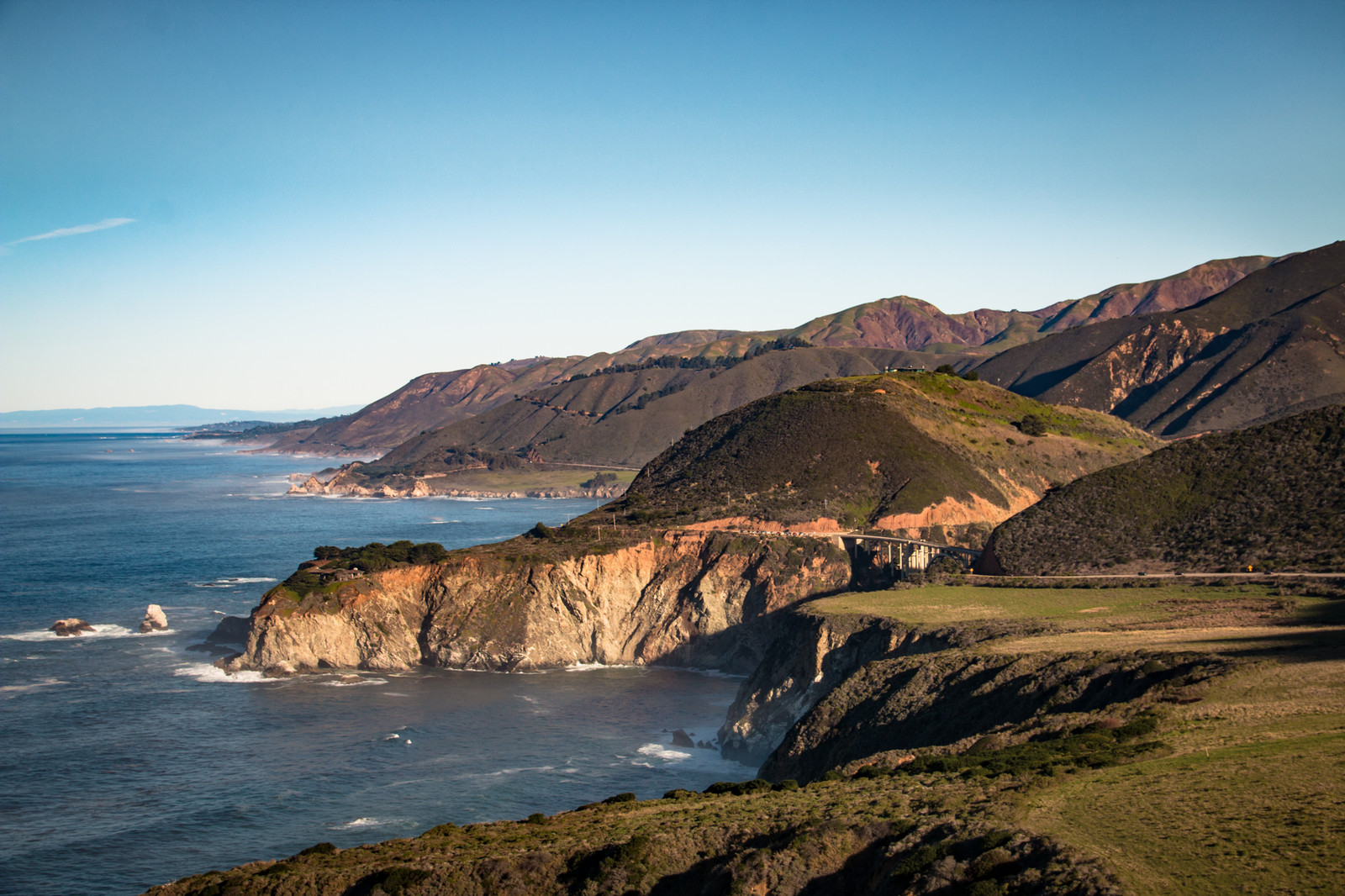
- Camp location: Santa Cruz, CA
- Arrival airport: San Jose Mineta International Airport
- Travel guidance for California programs.
- Expected physical exertion level: 2/5
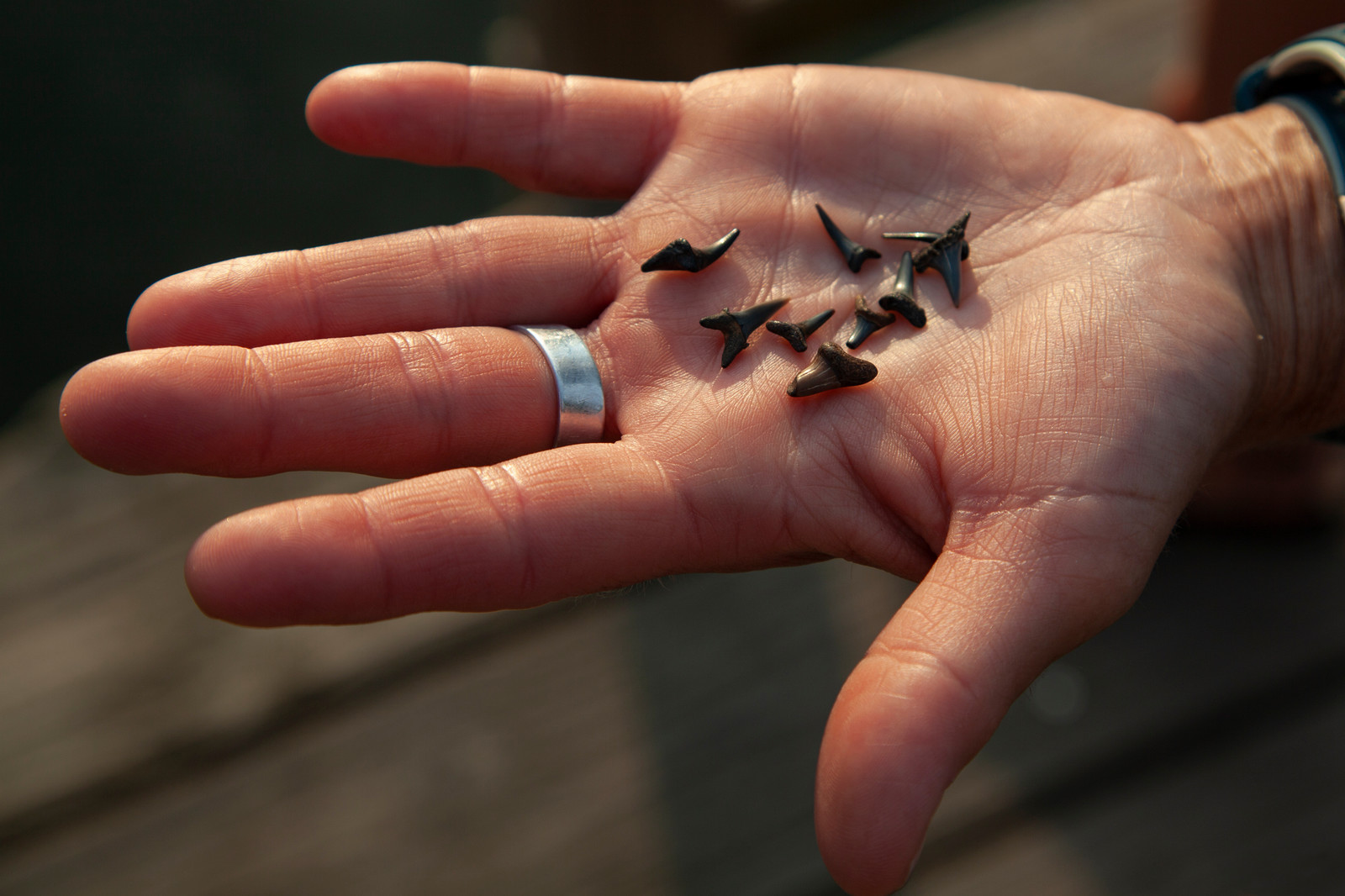
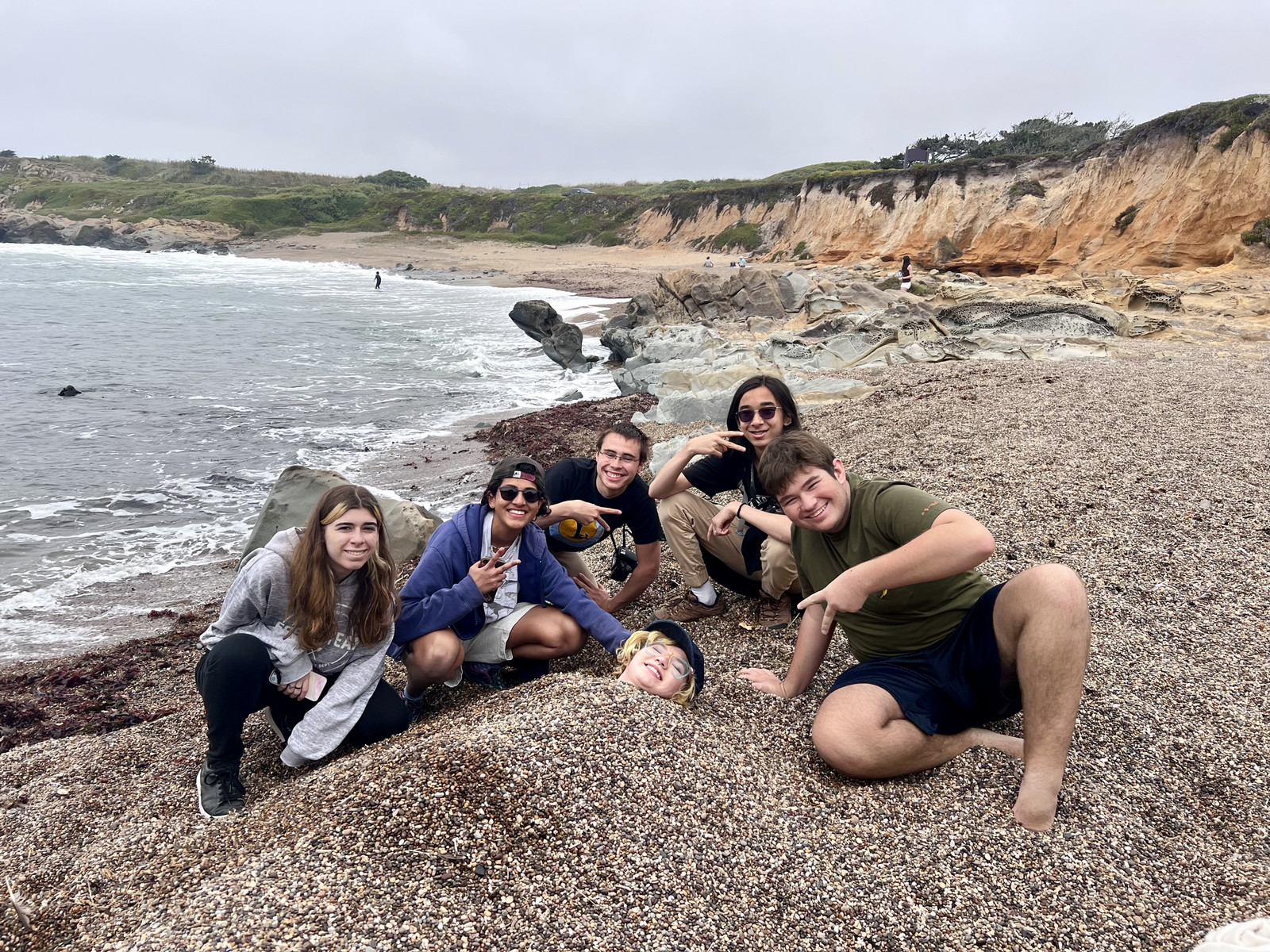
- Description: Paleontology Academy California invites high school students to spend two immersive weeks exploring the dynamic intersections of marine life, geology, and deep time along the Northern California coast. This blended program combines field-based exploration with paleontological discovery in the Monterey and Bay Area regions. Students will examine living coastal ecosystems, compare extant species with their extinct counterparts, and investigate how shoreline environments have shifted through geologic time. Behind-the-scenes tours at institutions such as the UC Museum of Paleontology at Berkeley and the Monterey Bay Aquarium connect participants directly with active research, collections work, and the scientific community. Throughout the program, students build skills in observation, scientific reasoning, and conceptualizing long-term ecological and geological change.
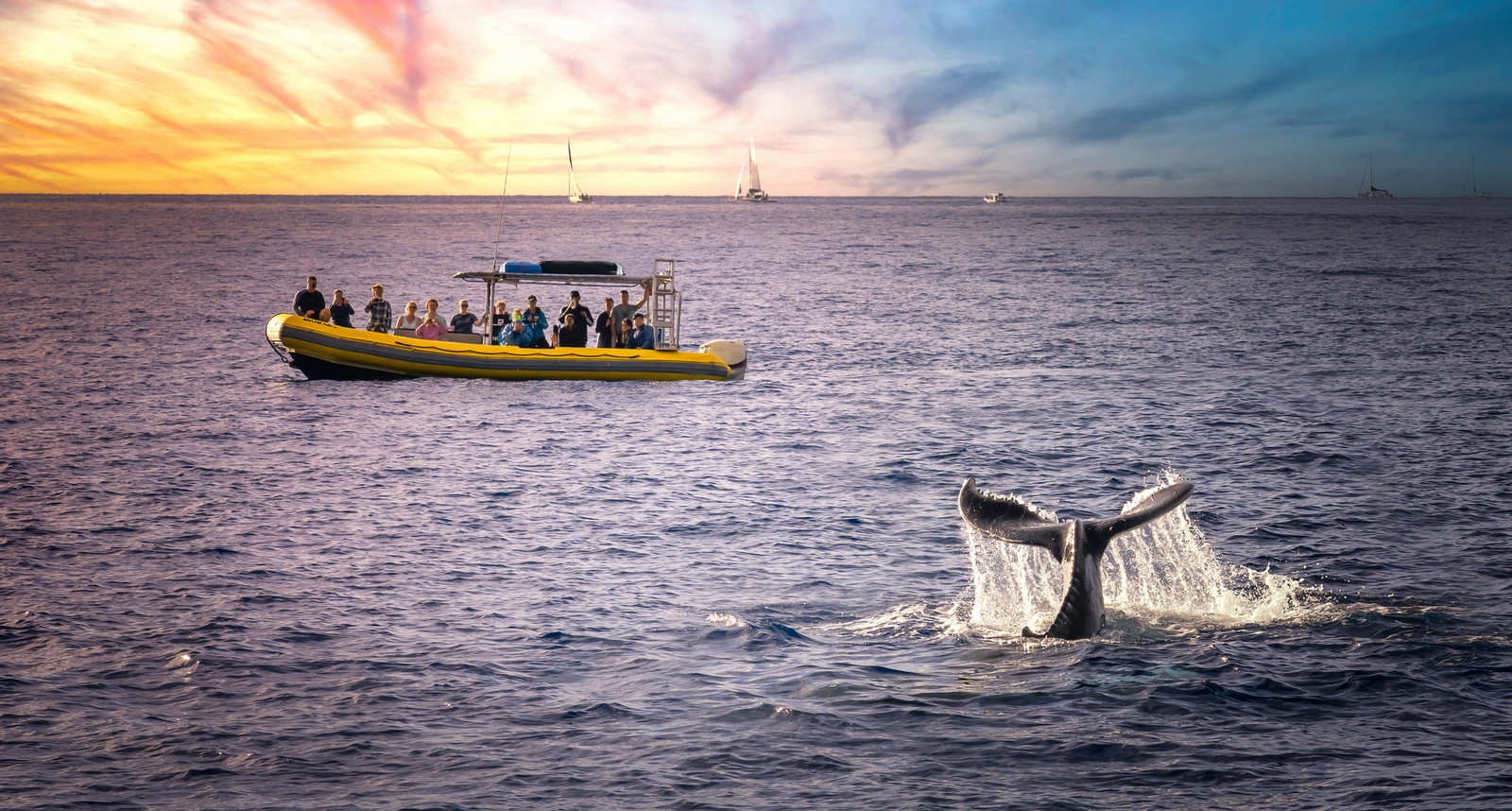
Complementing this academic depth is a slate of engaging field experiences that reflect the Sternberg Museum Science Camps’ tradition of authentic, research-aligned learning. Students will visit iconic sites such as Capitola Beach, Moss Beach, the Monterey Bay National Marine Sanctuary, and regional fossil localities to practice real-world data collection and fossil interpretation. Additional activities including whale watching, coastal hikes, and dedicated time examining marine fossilization processes will reinforce daily lessons and provide a holistic view of coastal systems. As with all Sternberg programs, evenings include group discussions that support students’ growth as developing scientists, offering guidance on college pathways, research involvement, and career exploration in the earth and life sciences. This camp provides a challenging, inspiring gateway into marine paleobiology and coastal ecology, designed for students eager to discover how the past and present meet along the amazing Pacific Coast shore.
This program will be lead by Marjean Cone (Curator of Education) in collaboration with the Museum at Georgia Southern.
- Camp activity highlights:
- Field exploration of Northern California coastal ecosystems and fossil sites, including Capitola Beach, Moss Beach, and Monterey Bay National Marine Sanctuary.
- Comparative study of living marine species and their extinct counterparts through hands-on observation and fossil analysis.
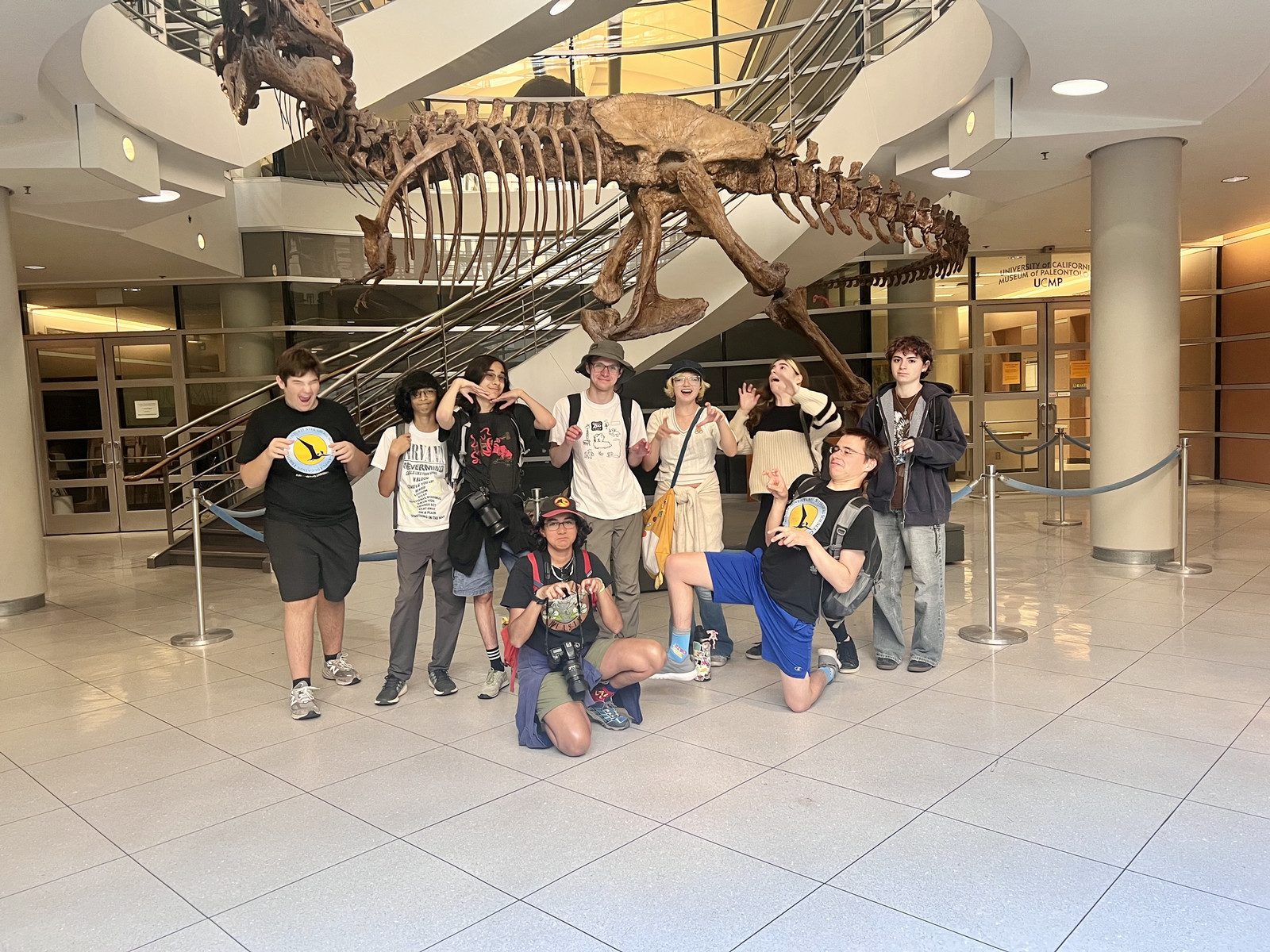
- Behind-the-scenes tours at UC Museum of Paleontology at Berkeley and the Monterey Bay Aquarium, connecting students with active research and collections work.
- Whale watching, coastal hikes, and marine fossilization exercises to reinforce field-based scientific skills.
- Evening group discussions on college pathways, research opportunities, and careers in earth and life sciences.
- Residential experience fostering collaboration, independence, and community among participants.
- Registration fee: $6,362
- Scholarships are available! For more information, please visit our Scholarships page.
- Fee covers:
- Meals Accommodations
- Transportation during camp
- Group equipment
- Materials for activities
- Fee does not cover:
- Flights to and from camp location
- Personal gear including clothing and toiletries (see the packing list linked above for more details)
- Accommodations before the camp begins and after the camp ends
- Food before the camp begins and after the camp ends
Paleontology Academy North Dakota
- Start date: June 21, 2026
- End date: July 3, 2026
- Camp location: Pioneer Trails Regional Museum in Bowman, North Dakota
- Airport: Bismark Airport (BIS)
- Travel guidance for North Dakota programs.
- Expected physical exertion level: 3/5
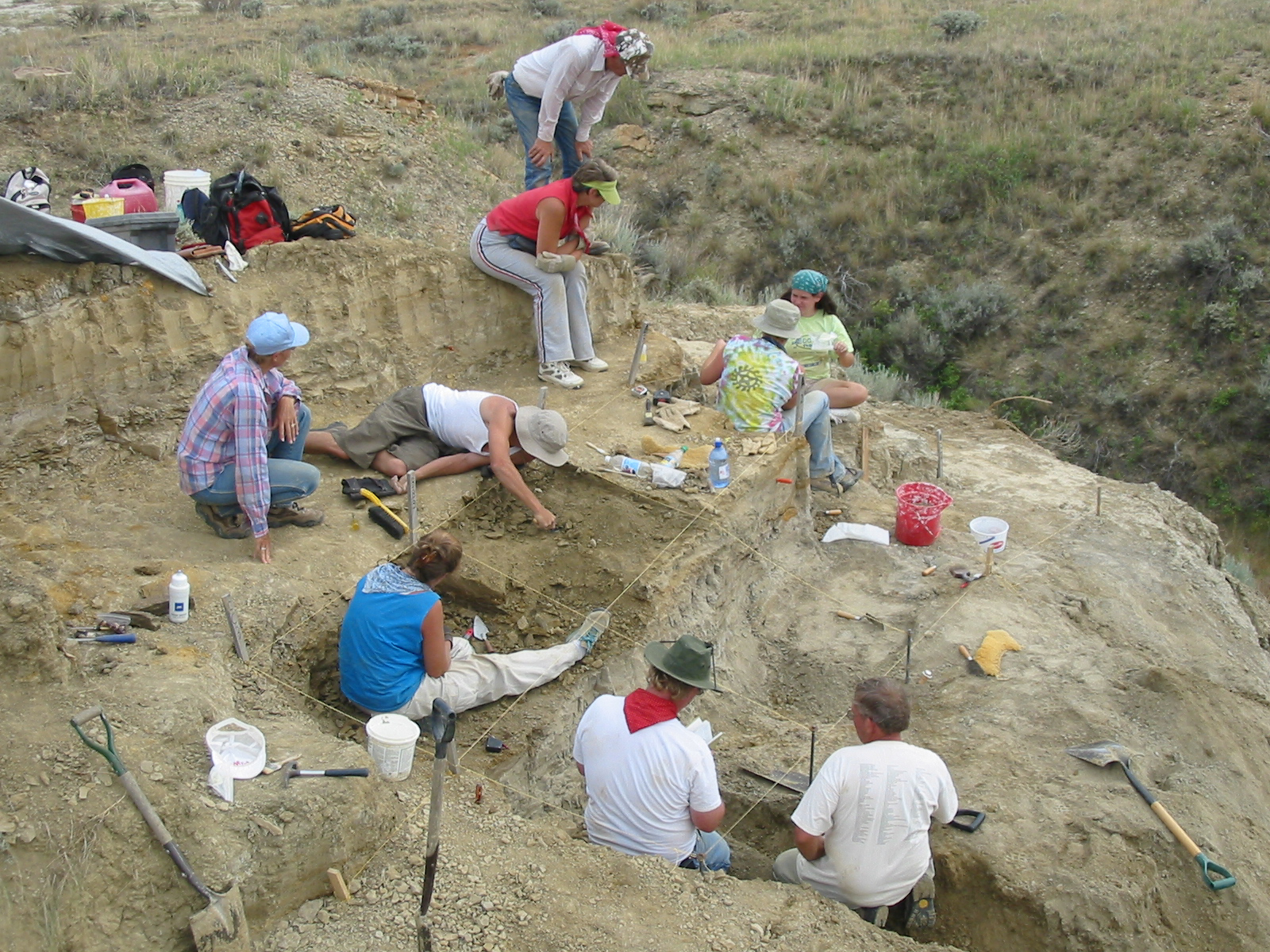
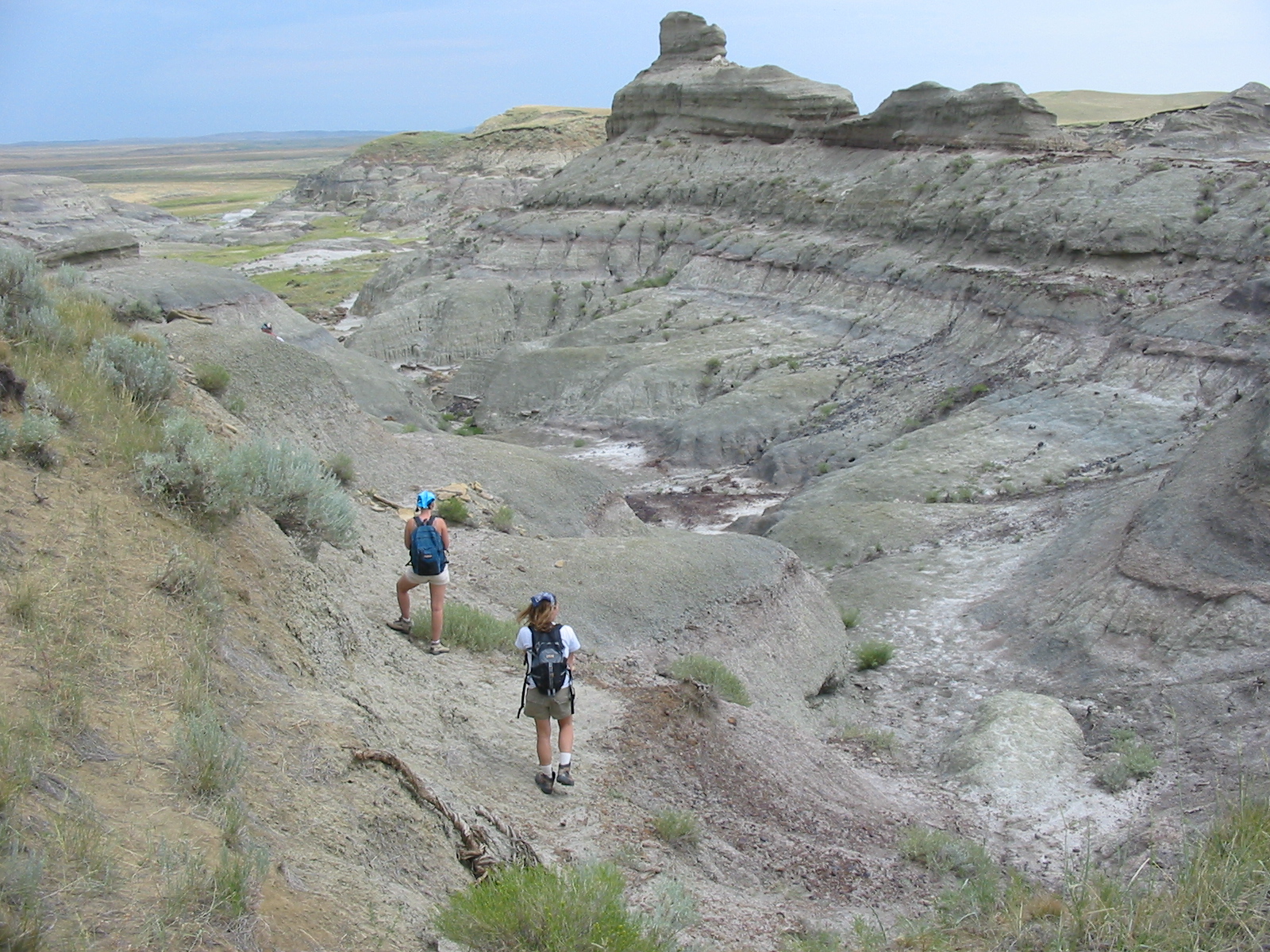
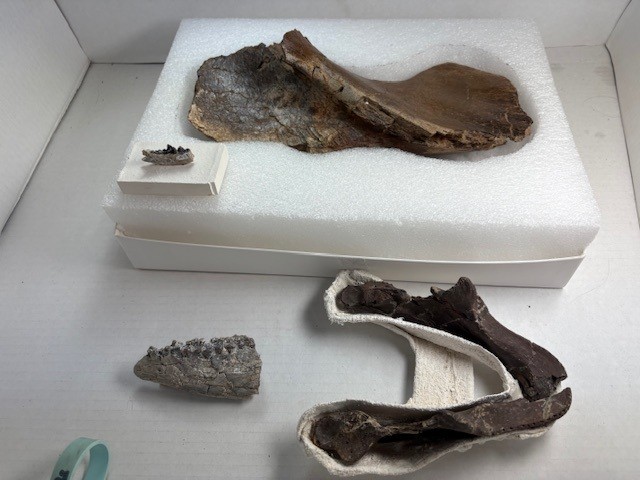
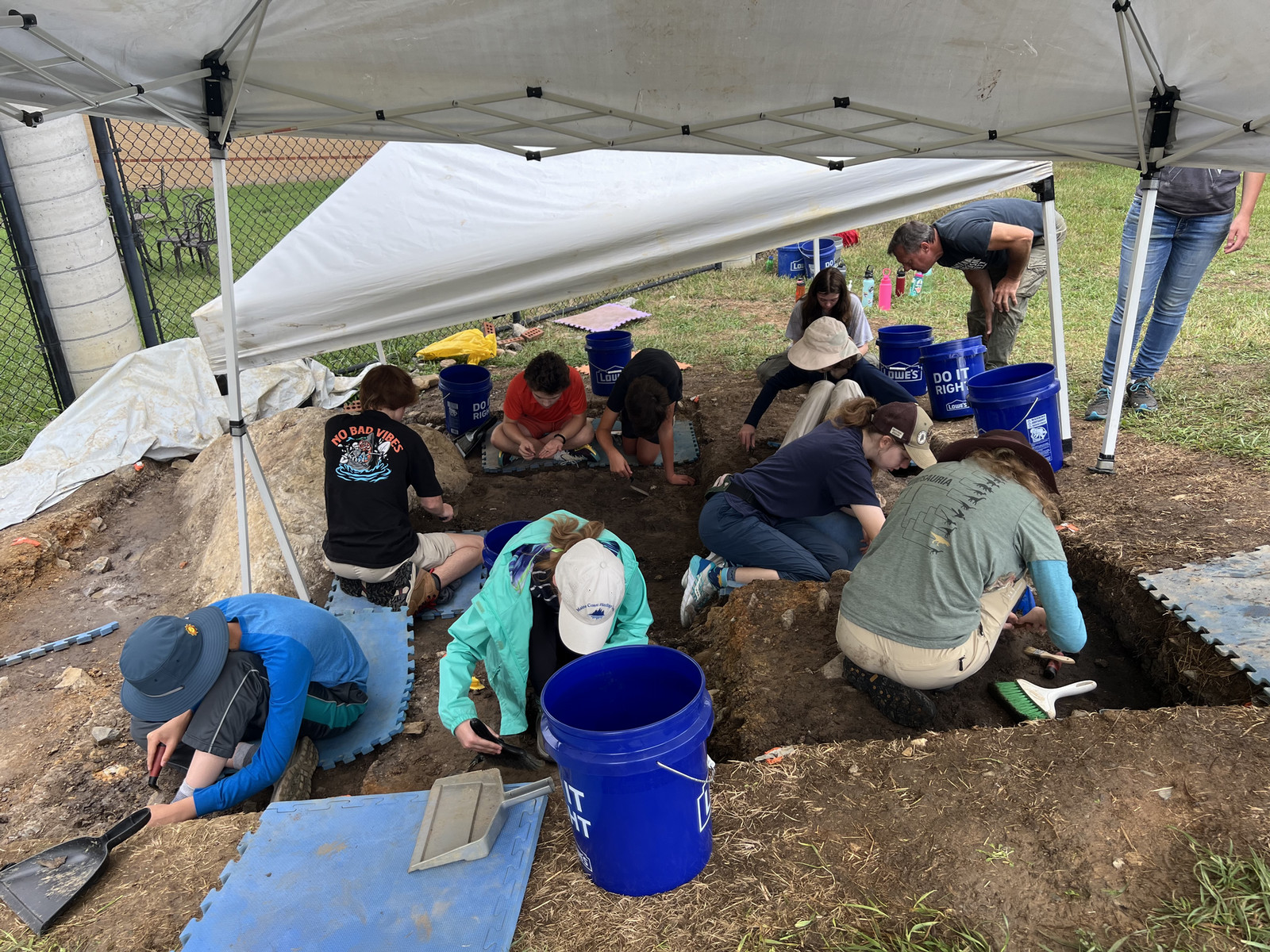
- Description: High school students joining Paleontology Academy North Dakota will immerse themselves in hands-on field paleontology at the Pioneer Trails Regional Museum (PTRM) in Bowman, North Dakota, exploring the fossil record at the KPg Extinction boundary, one of the most significant geologic intervals in Earth history. Under the guidance of PTRM paleontologist Dr. Emily Simpson, participants will prospect for and excavate fossils from the Hell Creek and Fort Union formations, working with material that spans the mass extinction that ended the age of dinosaurs. Students will help excavate a hadrosaur, search for plant, animal, and microfossil remains, and learn professional field techniques including site-mapping, note-taking, and fossil collections care. Collected specimens will become part of the active research and teaching collection at the Pioneer Trails Regional Museum. Students will also complete small comprehensive science communication projects, and sharing their camp discoveries with the local community.
This experience blends field science with lab work, real-world living and team learning. Students will stay in a modern barn renovated into an AirBnB-style group space with full amenities, along with access to a local laundromat in town that the group will visit over the middle weekend. Daily activities will balance excavation and prospecting with lab and classroom active lessons on , and time working with museum researchers. This variety of activities will reflect the combination of field, lab, and academic components seen across other Sternberg field and blended programs. Students will also take part in discussions about scientific careers, research pathways, and how paleontologists connect field data to broader questions about environmental change and extinction. This camp offers an exciting opportunity to participate directly in active research while exploring a world-famous fossil region shaped by one of Earth’s most dramatic ecological events.
- Camp activity highlights:
- Prospecting and excavating fossils from the Hell Creek and Fort Union formations at the KPg boundary.
- Guided hadrosaur excavation and searches for plant, animal, and microfossil remains.
- Field skills training including site-mapping, scientific note-taking, and fossil collections care.
- Lab sessions preparing collected specimens that enter the Pioneer Trails Regional Museum research collections.
- Active lessons and discussions on scientific careers, extinction events, and connecting field data to big-picture questions.
- Group living experience in a modern renovated barn with balanced field, lab, and classroom activities alongside museum researchers.
- Registration fee: $5,230
- Scholarships are available! For more information, please visit our Scholarships page.
- Fee covers:
- Meals Accommodations
- Transportation during camp
- Group equipment
- Materials for activities
- Fee does not cover:
- Flights to and from camp location
- Personal gear including clothing and toiletries (see the packing list linked above for more details)
- Accommodations before the camp begins and after the camp ends
- Food before the camp begins and after the camp ends
Paleontology Academy Kansas
- Session 1 dates (this is a standalone 2-week camp)
- Start: June 14, 2026
- End: June 26, 2026
- Session 2 dates (this is a standalone 2-week camp)
- Start: July 5, 2026
- End dates: July 17, 2026
- Camp location: Sternberg Museum, Hays, KS
- Airport: Hays Regional Airport
- Travel guidance for Kansas programs.
- Expected physical exertion level: 2/5
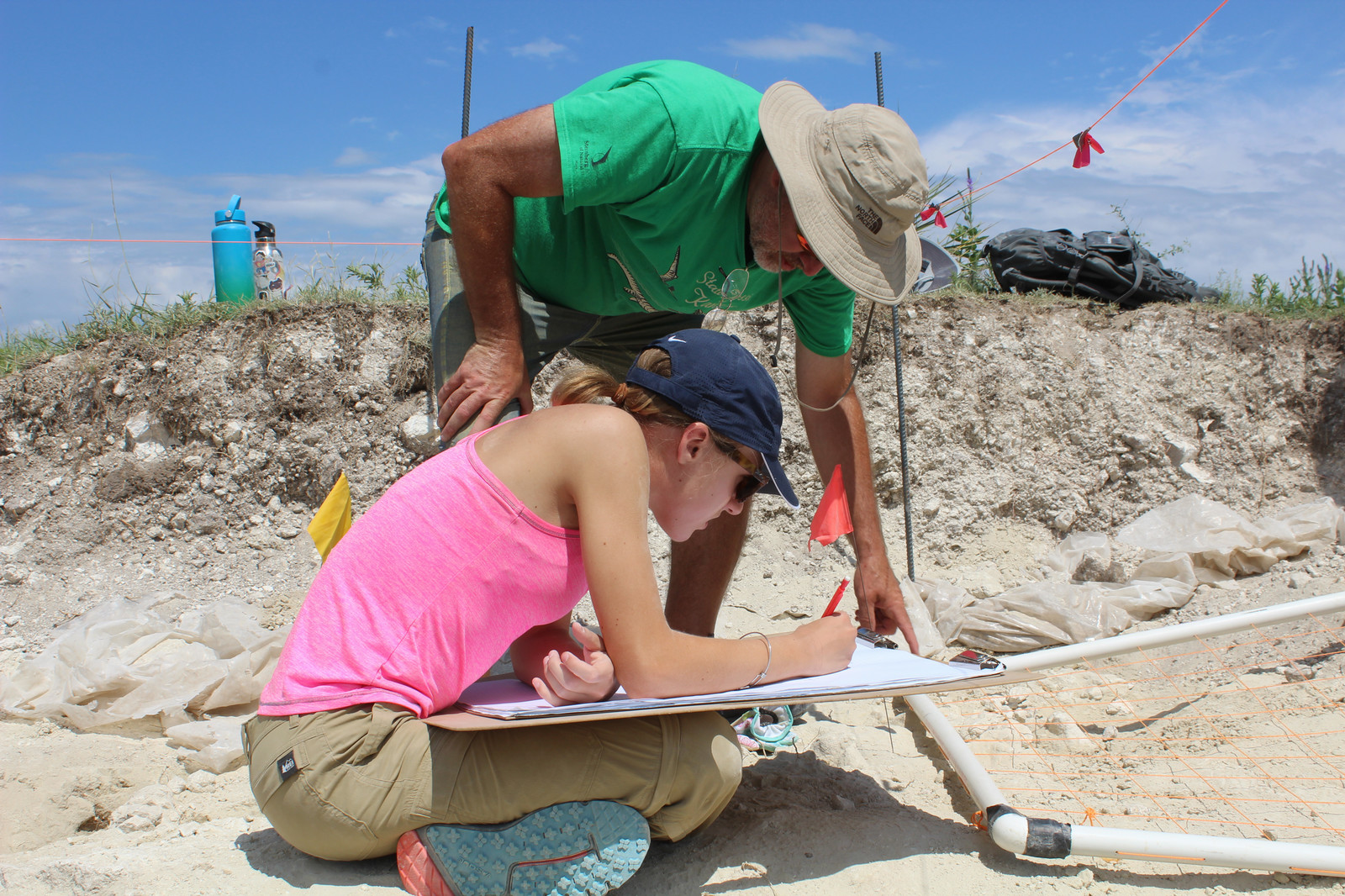
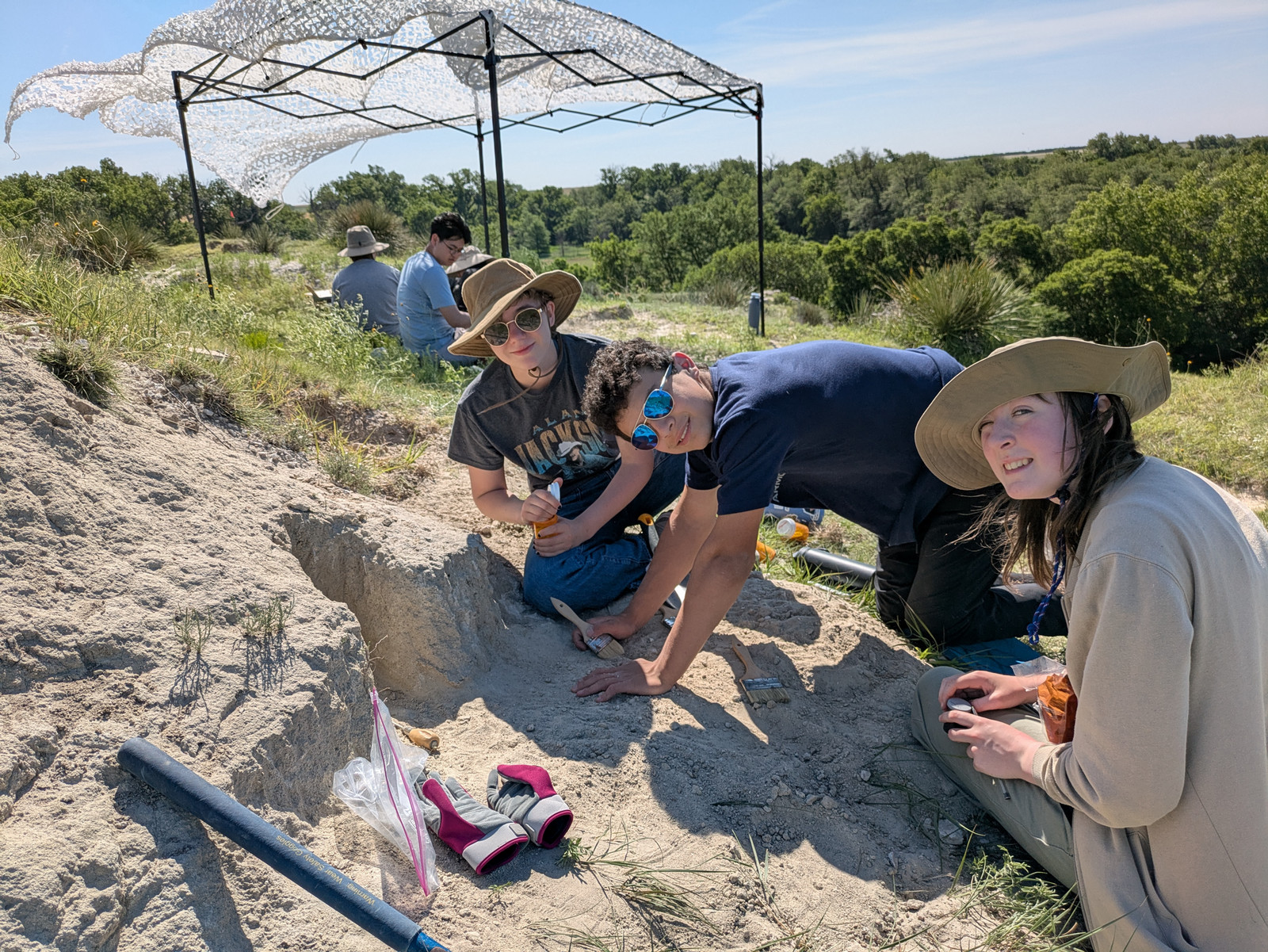
- Description: Paleontology Academy Kansas camp immerses high school students in the paleontology, geology, and paleobiology of one of Kansas’s most scientifically rich fossil localities. The Minium site preserves an extraordinary assemblage of ancient mammals including prehistoric rhinos, camels, carnivores, and rodents alongside a remarkable record of fossil seeds that reveal the plant communities of past ecosystems. Students will take guided day trips to the quarry to prospect for fossils, learn field documentation methods, and explore how geologic setting influences preservation, mirroring the practices of professional researchers. Back on campus, participants will participate in evening discussions and guest presentations that highlight career paths, research opportunities, and the broader scientific context of their field experiences.
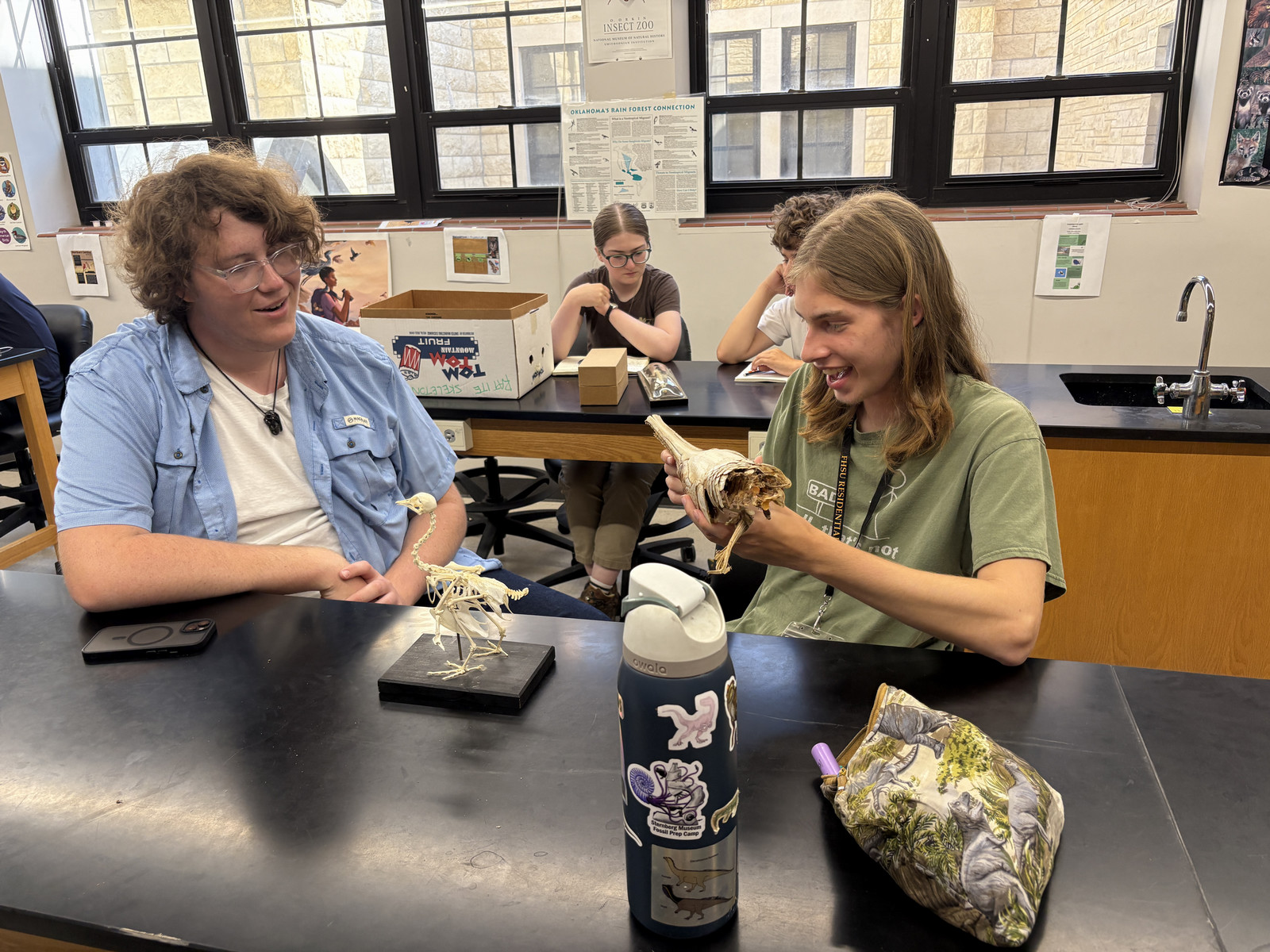
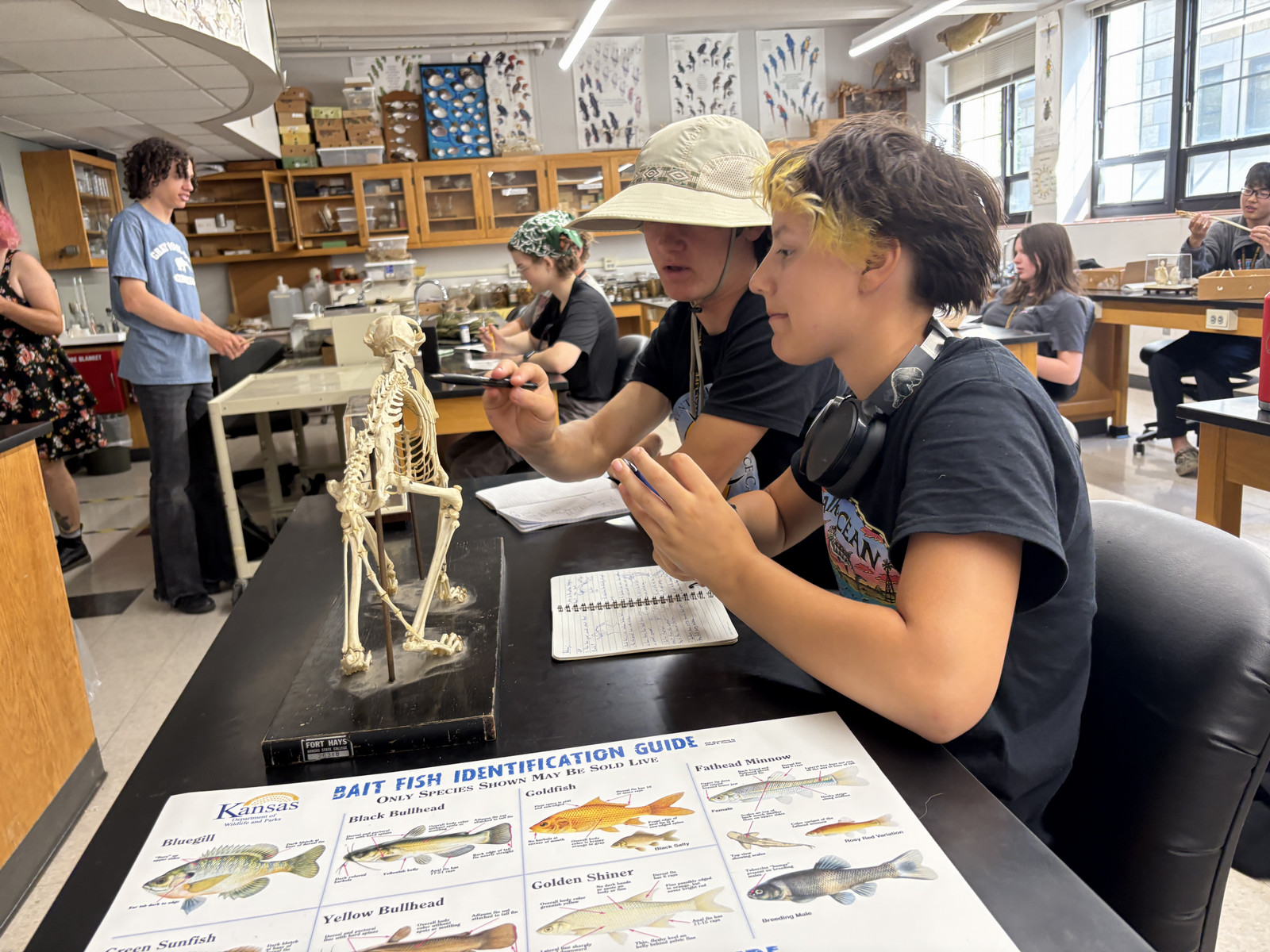
Using FHSU campus and Sternberg Museum facilities, students will rotate through active-learning lab and classroom modules that connect their field observations to hands-on scientific investigation. These mini-projects may include comparative skeletal and dental anatomy to ID fossils found at Minium, screening for microfossils, examining paleobotanical fossil specimens, and learning fossil-care skills used in professional museum workflows. Behind-the-scenes access to the Sternberg Museum’s research collections provides a deeper understanding of how excavated specimens are curated, studied, and incorporated into ongoing scientific work. By combining field excursions, laboratory practice, and expert interaction, this program offers a comprehensive introduction to paleontological science—preparing students for future involvement in geology, biology, and museum research while giving them an unforgettable experience in real-world discovery.
- Camp activity highlights:
- Guided fossil prospecting at the Minium fossil site, including documentation and mapping techniques.
- Exploring how geologic setting influences fossil preservation through field observations and discussion.
- Hands-on lab modules in skeletal and dental anatomy for identifying Minium vertebrate fossils.
- Screening sediments for microfossils and examining paleobotanical specimens to reconstruct past ecosystems.
- Behind-the-scenes access to Sternberg Museum research collections and curation workflows.
- Evening presentations with researchers on career paths, ongoing studies, and the scientific context of field discoveries.
- Registration fee: $4,755
- Scholarships are available! For more information, please visit our Scholarships page.
- Fee covers:
- Meals Accommodations
- Transportation during camp
- Group equipment
- Materials for activities
- Fee does not cover:
- Flights to and from camp location
- Personal gear including clothing and toiletries (see the packing list linked above for more details)
- Accommodations before the camp begins and after the camp ends
- Food before the camp begins and after the camp ends
- Travel guidance: There are at most two flights a day at the Hays regional airport via the Denver International Airport. We recommend participants of our Kansas camps arrive the Saturday night before camp starts. Students who choose this option will be picked up by Camps staff and taken to the FHSU dorms for the night before starting their camp the next morning. We will provide transport from the FHSU dorms to the Sternberg Museum to meet the rest of their group. We do charge $50 a night for dorms use and pre-camp transport, which is placed as a fee on the participant's CampDoc account.
Paleontology Academy Tennessee
- Start date: June 21, 2026
- End date: July 3, 2026
- Camp location: Eastern Tennessee State University, Johnson City, TN
- Airport: Tri-Cities Airport, Blountville, TN
- Travel guidance for Tennessee programs.
- Expected physical exertion level: 3/5
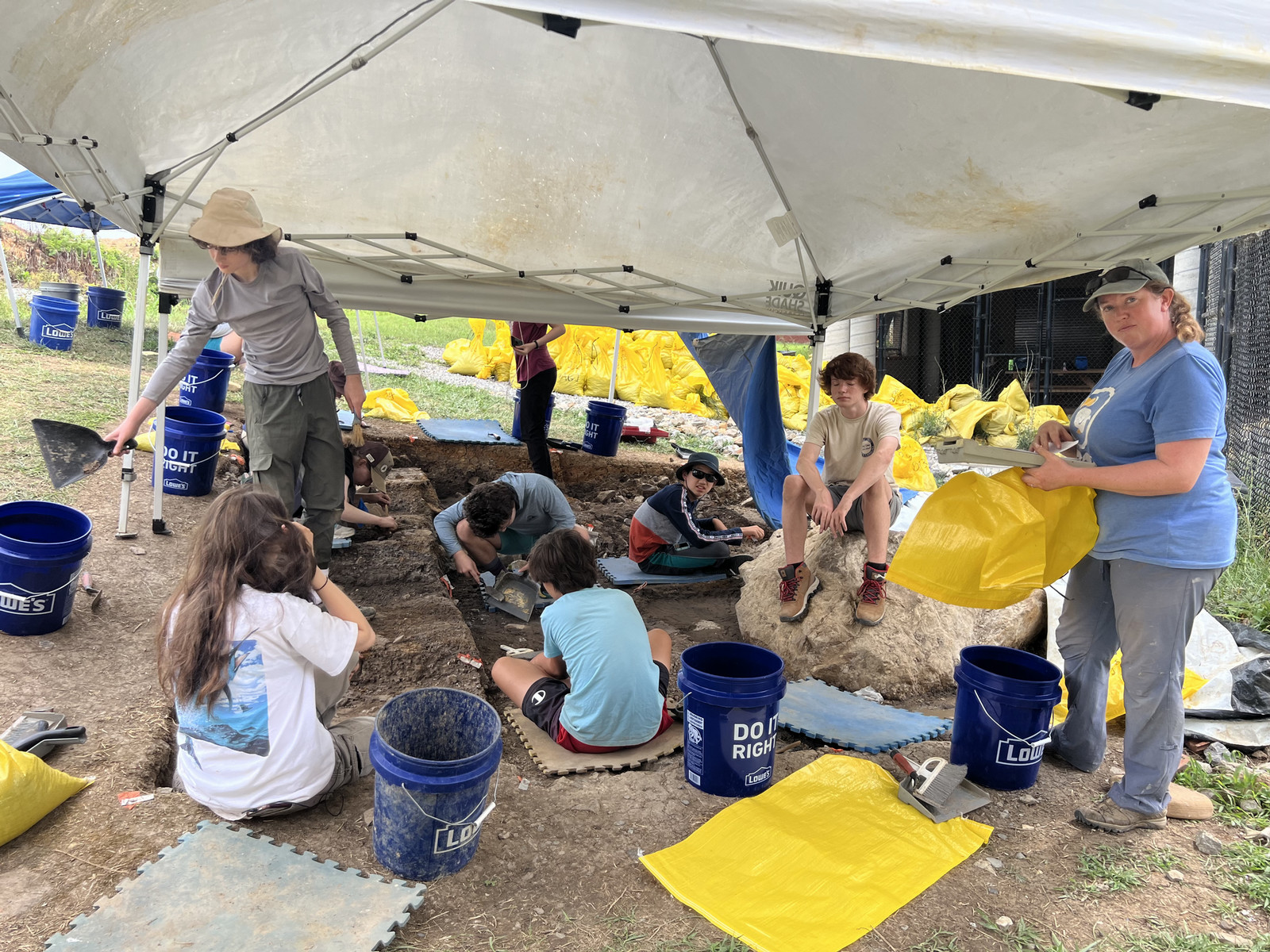
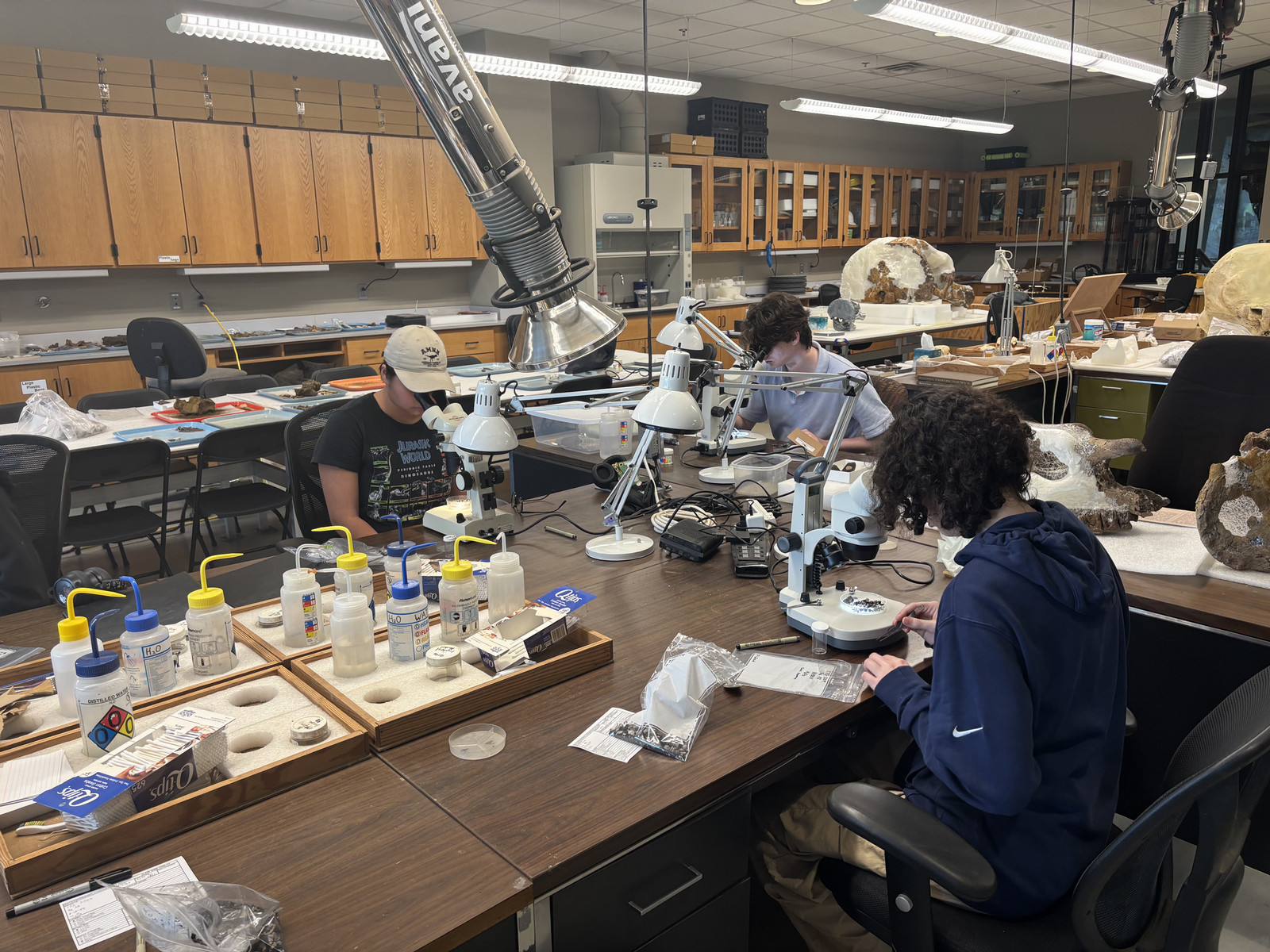
- Description: This camp is being offered in collaboration with the paleontologists at the Gray Fossil Site, run by Eastern Tennessee State University. Students will experience a blend of fossil excavation work with Gray Fossil Site workers and classroom/lab activities to process their finds for incorporation into the museum collections.
The Gray Fossil Site is world-famous for prehistoric tapirs, red pandas, alligators, elephants, saber-toothed cats and camels. It was found in the year 2000 and has been a focus of intense research and fossil excavation ever since. We're immensely excited to be able to offer this program in collaboration with the paleontologists at the Gray Fossil Site Museum!
This is a dorms-based camp, with students and staff staying in the Eastern Tennessee State University dormitories and eating in the ETSU dining hall as a group.
- Camp activity highlights:
- Guided fossil excavation with Gray Fossil Site paleontologists.
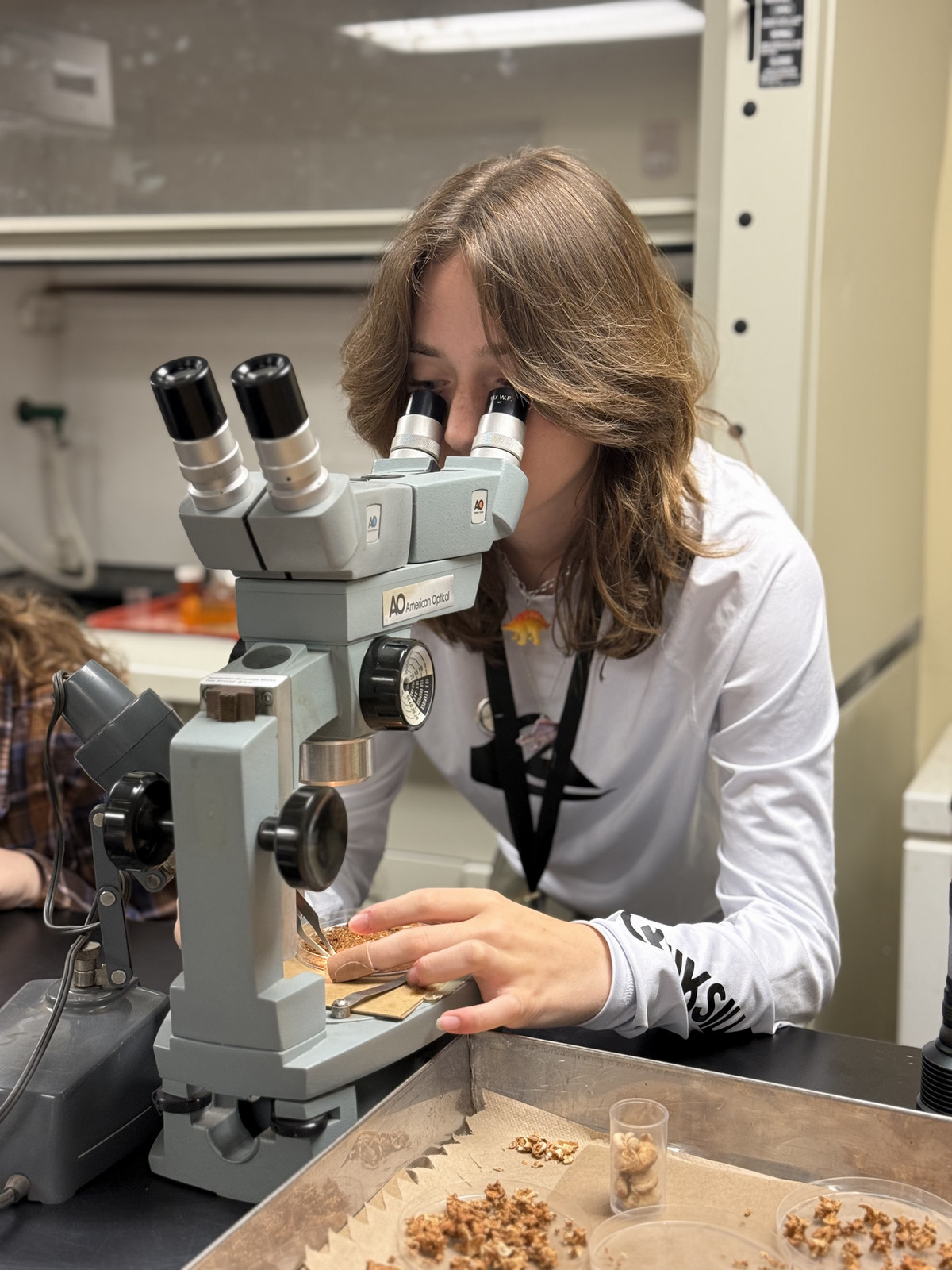
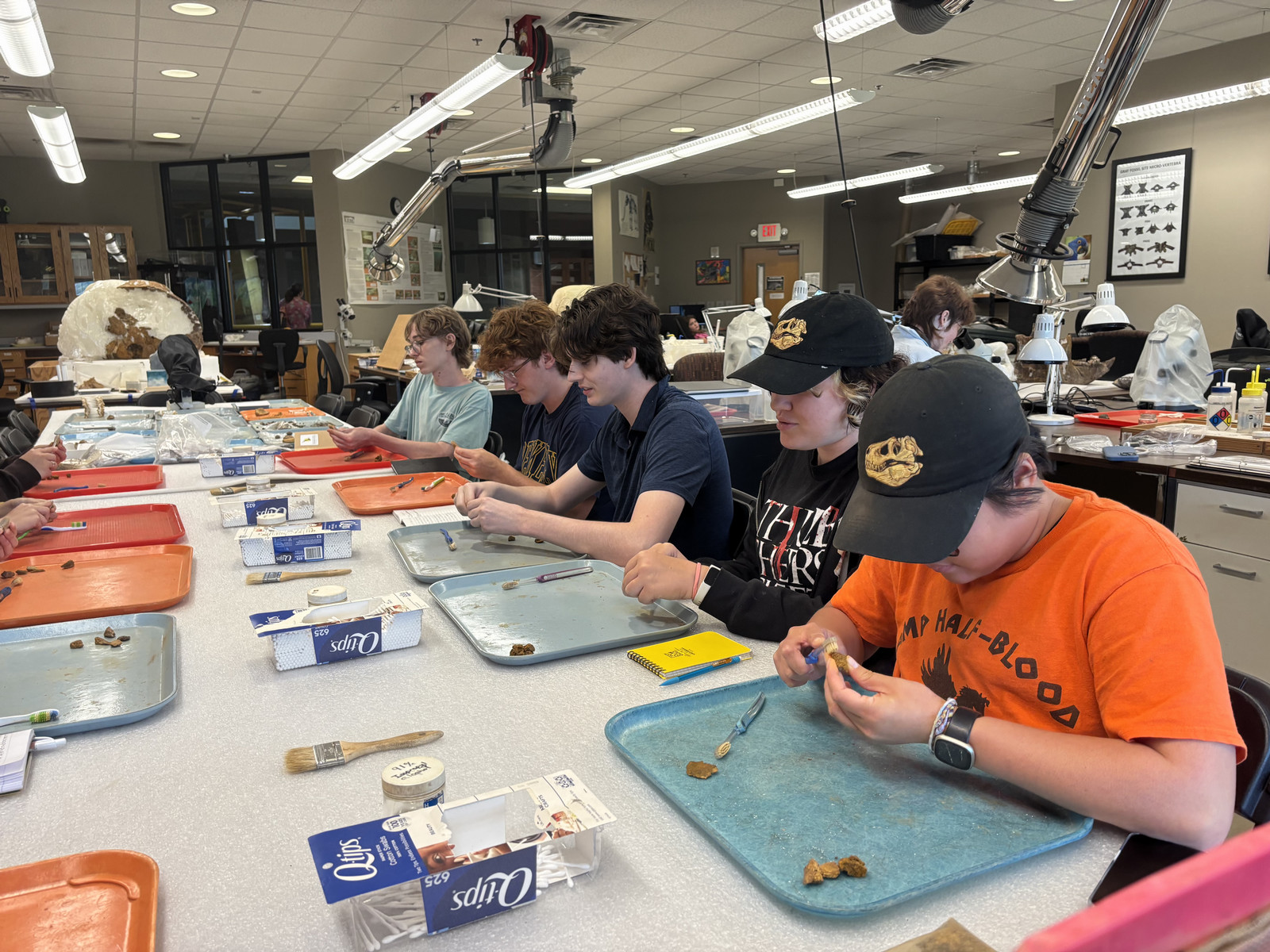
- Processing and preparing collected fossils for museum research collections.
- Hands-on skeletal anatomy lessons to identify prehistoric species.
- Dorm-based program with group meals and ETSU campus activities.
- Exploration of world-famous fossils including tapirs, red pandas, and saber-toothed cats.
- Special presentations and behind-the-scenes experiences at the Gray Fossil Site Museum.
- Registration fee: $4,756
- Scholarships are available! For more information, please visit our Scholarships page.
- Fee covers:
- Meals Accommodations
- Transportation during camp
- Group equipment
- Materials for activities
- Fee does not cover:
- Flights to and from camp location
- Personal gear including clothing and toiletries (see the packing list linked above for more details)
- Accommodations before the camp begins and after the camp ends
- Food before the camp begins and after the camp ends
Paleontology Academy Colorado (Full for 2026)
- Start date: July 12, 2026
- End date: July 24, 2026
- Camp location: Denver Metro Area
- Airport: Denver International Airport
- Travel guidance for Colorado programs.
- Expected physical exertion level: 2/5
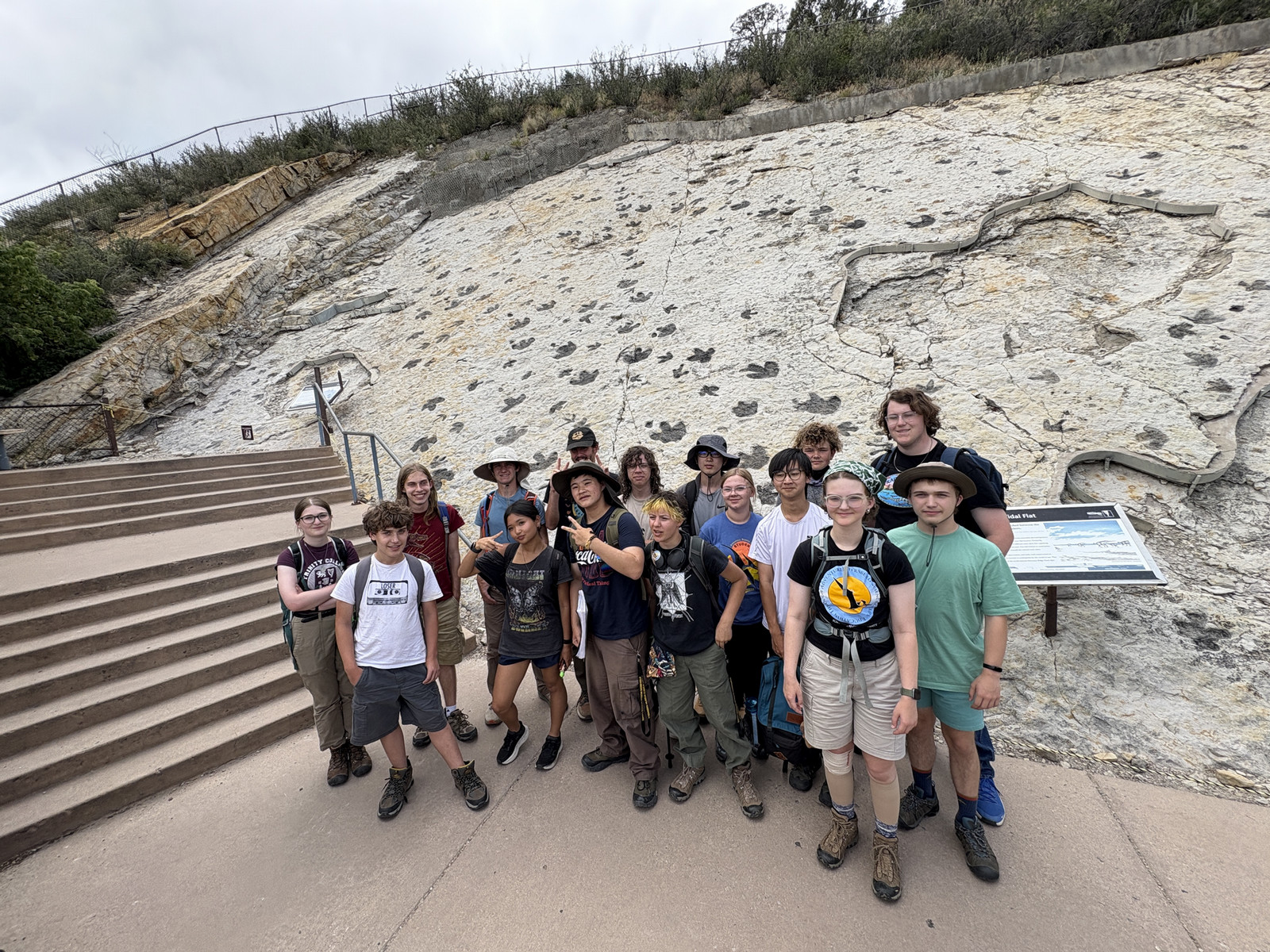
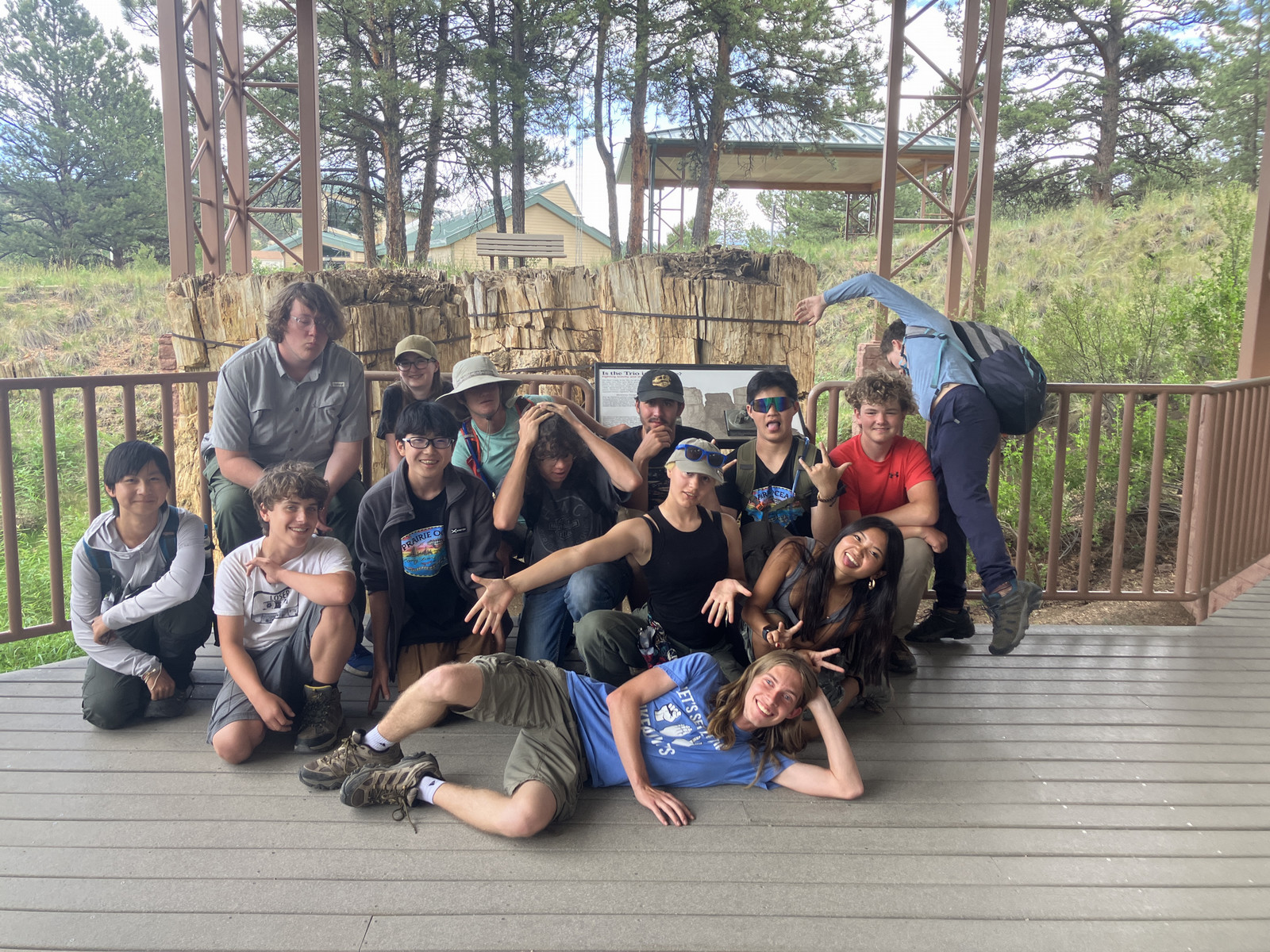
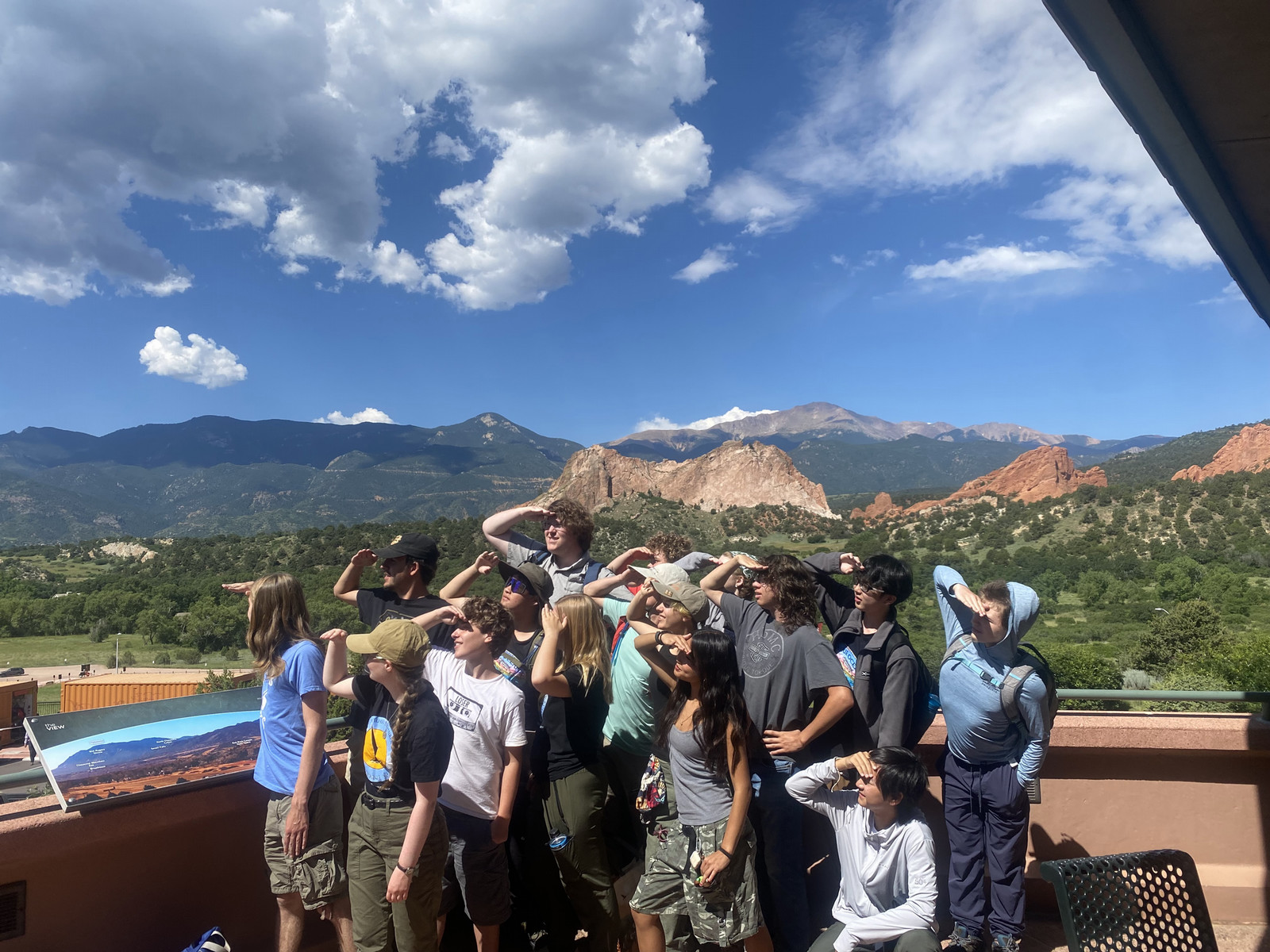
- Description: Paleontology Academy Colorado invites students to immerse themselves in the geology, ecology, and deep-time history of the Rocky Mountain region through hands-on paleontological lab and field experiences guided by Amy Atwater of the Dinosaur Ridge Museum. Participants will explore fossil-rich sites around Boulder, Denver and the Front Range, prospecting for and documenting remains from Colorado’s remarkable Mesozoic and Cenozoic landscapes. Students will learn the tools and techniques of professional paleontologists including connecting field sites and collections to grant writing, fossil identification, and fossil collection care methods. Activities will highlight the relationships between geology, ecology, and taphonomy, and how they produced the fossils we find in Colorado today.
Complementing field-trip days, students will participate in lab- and museum-focused sessions hosted by Dinosaur Ridge and partnering Front Range institutions. These activities will include fossil hunting, assessment, and , creating archival storage, and processing field discoveries for incorporation into museum collections. Guided discussions will connect students with professional pathways in paleontology, museum work, and geoscience research, drawing on Amy's experience in both academic and museum-based paleontology. Museum Academy Colorado blends outdoor exploration with behind-the-scenes museum learning, offering an exciting, immersive introduction to the scientific practices that are immensely valuable across scientific disciplines.
- Camp activity highlights:
- Hands-on fossil prospecting and documentation at sites across Boulder, Denver, and the Front Range.
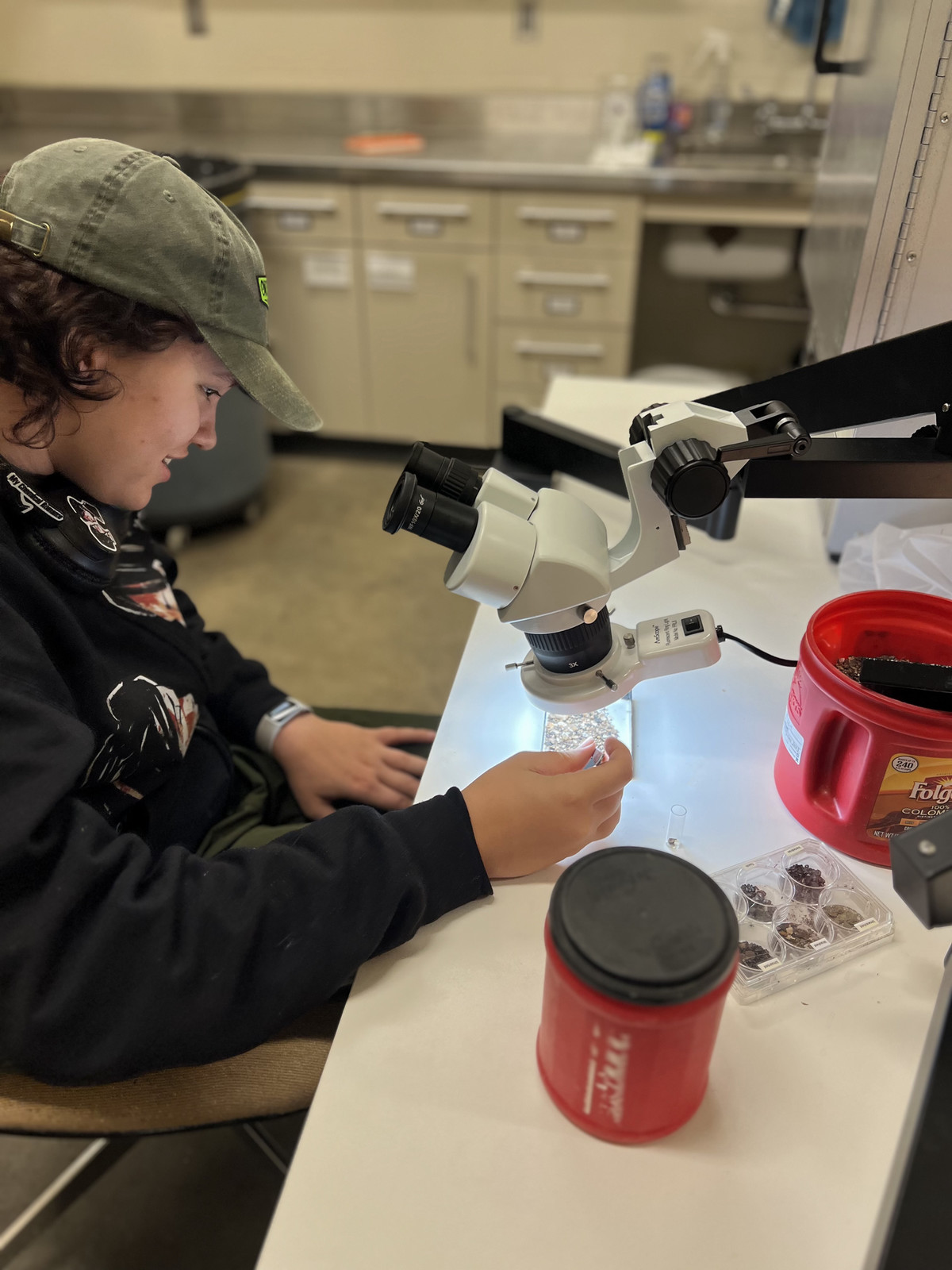
- Lab and museum sessions including fossil assessment, archival storage, and preparation for collections.
- Learning professional paleontology techniques: identification, collection care, and connecting fieldwork to research and grants.
- Exploration of geology, ecology, and taphonomy to understand fossil formation in Colorado.
- Behind-the-scenes experiences at Dinosaur Ridge and partner institutions, including museum collections work.
- Guided discussions on paleontology careers, museum work, and geoscience research pathways."
- Registration fee: $5,623
- Scholarships are available! For more information, please visit our Scholarships page.
- Fee covers:
- Meals Accommodations
- Transportation during camp
- Group equipment
- Materials for activities
- Fee does not cover:
- Flights to and from camp location
- Personal gear including clothing and toiletries (see the packing list linked above for more details)
- Accommodations before the camp begins and after the camp ends
- Food before the camp begins and after the camp ends
Research Academy North Dakota (returners only)
-
Start date: July 12, 2026
-
End date: July 24, 2026
-
Camp location: Bismarck, ND
-
Airport: Bismarck Airport (BIS)
- Travel guidance for North Dakota programs.
- Expected physical exertion level: 2/5
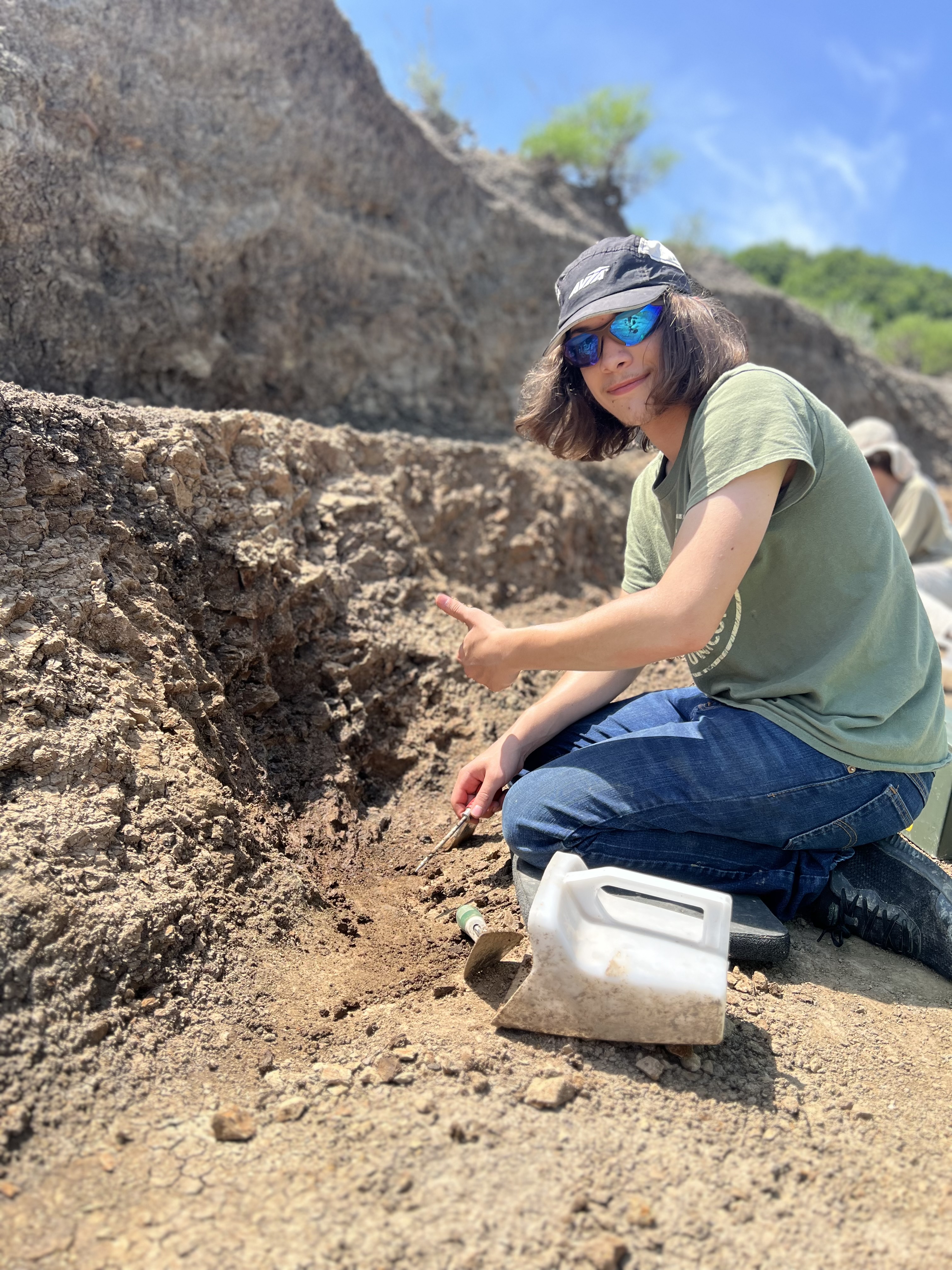
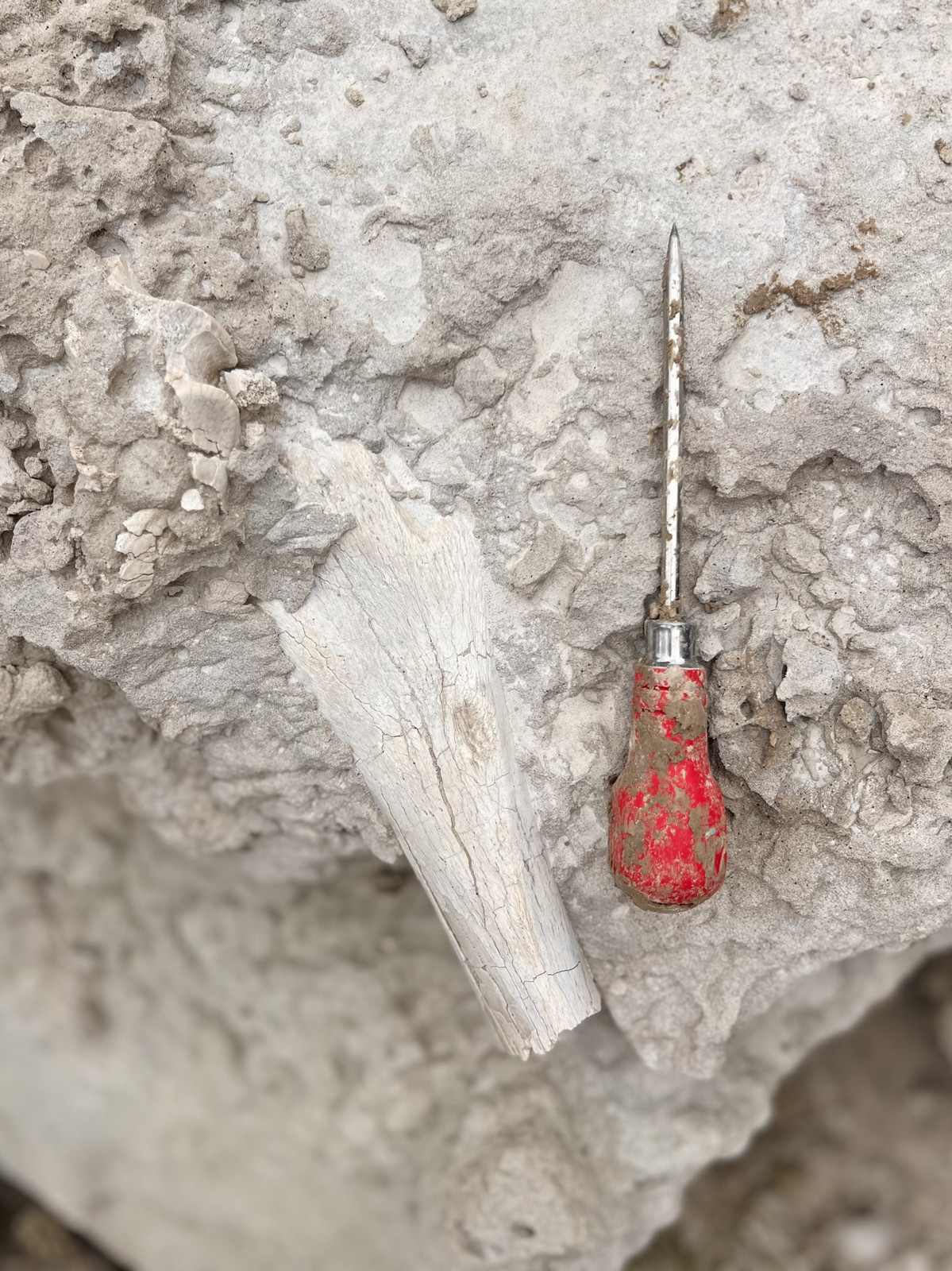
- Description: Research Academy North Dakota is a program for returning high school campers ready to immerse themselves in the paleontology and geology of incredible soft-tissue fossilization taphonomy. This program is run in partnership with the North Dakota Geological Survey and NDGS paleontologist Dr. Clint Boyd, who have been pioneering techniques to work on such specimens including "Dakota", a fossil mummy Edmontosaurus. Working at established field localities, participants will investigate the extraordinary conditions that allow soft tissues and their microscopic and chemical traces to persist over tens of millions of years. Students will prospect, excavate, and document fossils using the same field strategies employed by professional paleontologists. Additional excursions to regional sites will highlight how shifting geological and paleoenvironmental settings influenced fossil preservation potential in the region during the late Mesozoic.
Working directly with NDGS scientists, participants will contribute to ongoing research efforts while gaining practical experience in the delicate specialized work on soft-tissue fossil preparation, preliminary lab documentation, and research techniques suitable for such important fragile fossils. Research Academy North Dakota is designed for returning Sternberg high-school–level participants (ages 16–18) seeking a deeper, research-oriented comprehensive experience in one of the world’s most intriguing fossil-producing regions. Students and Camps TAs will stay together in a comfortable local AirBnB rather than any tent-camping. This approach has been chosen to reduce risks from severe North Dakota weather while keeping the focus on hands-on scientific work. Evenings will include group discussions on topics such as designing independent research projects, navigating academic pathways in the geosciences, and the challenges of interpreting soft-tissue preservation in deep time.
- Camp activity highlights:
- Fieldwork at established North Dakota fossil sites, prospecting and excavating soft-tissue specimens.
- Hands-on experience with delicate fossil preparation and preliminary lab documentation.
- Collaboration with NDGS paleontologists, including Dr. Clint Boyd, on ongoing research projects.
- Excursions to regional geological sites to explore fossil preservation and paleoenvironmental changes.
- Evening discussions on research design, geoscience careers, and interpreting soft-tissue preservation.
- Comfortable group lodging in a local AirBnB to support focused, immersive scientific work.
- Registration fee: $6,463
- Scholarships are available! For more information, please visit our Scholarships page.
- Fee covers:
- Meals Accommodations
- Transportation during camp
- Group equipment
- Materials for activities
- Fee does not cover:
- Flights to and from camp location
- Personal gear including clothing and toiletries (see the packing list linked above for more details)
- Accommodations before the camp begins and after the camp ends
- Food before the camp begins and after the camp ends
Start Your Science Adventure
Join us for a summer of discovery.
Contact Us