High School Field Programs
Ages 15 - 18
About Our High School Field Programs
- Our field camps include extensive tent camping on a range of camp site types, including state/federal campgrounds, private campgrounds, and research stations. We will also make use of university dorms and hotels/AirBnBs when called for.
- As these programs typically take place in the middle of summer, conditions are often hot and sunny. some programs will include time in cooler conditions including caves, mountains, or areas where temperatures decrease noteably at night. Students should be well prepared for a range of temperature and weather conditions.
- Tents and sleeping pads are provided for students, with usually 2-3 students in an appropriately sized tent. We ask that participants not bring their own tents as they may not be appropriate for conditions in the camp, or sized properly for the campsites we reserve. Camp pads are typically thick foam or inflatable. Participants are welcome to bring their own sleeping pad if they desire. Participants must provide their own sleeping bags, pillows, and other such personal items.
- Camping trips usually include 2-3 indoor days between weeks out in the field. These days will include opportunities to do laundry. While we always make sure laundry facilities are available at the midway point, sometimes the logistics of the camp make the indoor component untenable.
- As we are camping, access to electrical outlets is limited. We strongly recommend students bring a portable power bank for their phone, and exercise good judgement in battery use. Chargers in the vehicles are reserved for staff to keep devices fully charged, as well as recharging cameras and other devices.
- While we do not do any heavy backpacking, the field camps are typically at least moderately physically demanding. Staff put a great deal of time, care, and effort into training students to mentally and physically adapt to the necessities of fieldwork. We know such activities can be quite challenging, and our central goal is helping students be succesful.
Field Paleontology Utah (full for 2026)
- Start date: June 21, 2026
- End date: July 3, 2026
- Camp start location: Las Vegas, NV
- Arrival airport: Harry Reid International Airport
- Camp end location: Salt Lake City, UT
- Departure airport: Salt Lake City International Airport
- Travel guidance for Utah programs.
- Expected physical exertion level: 4/5
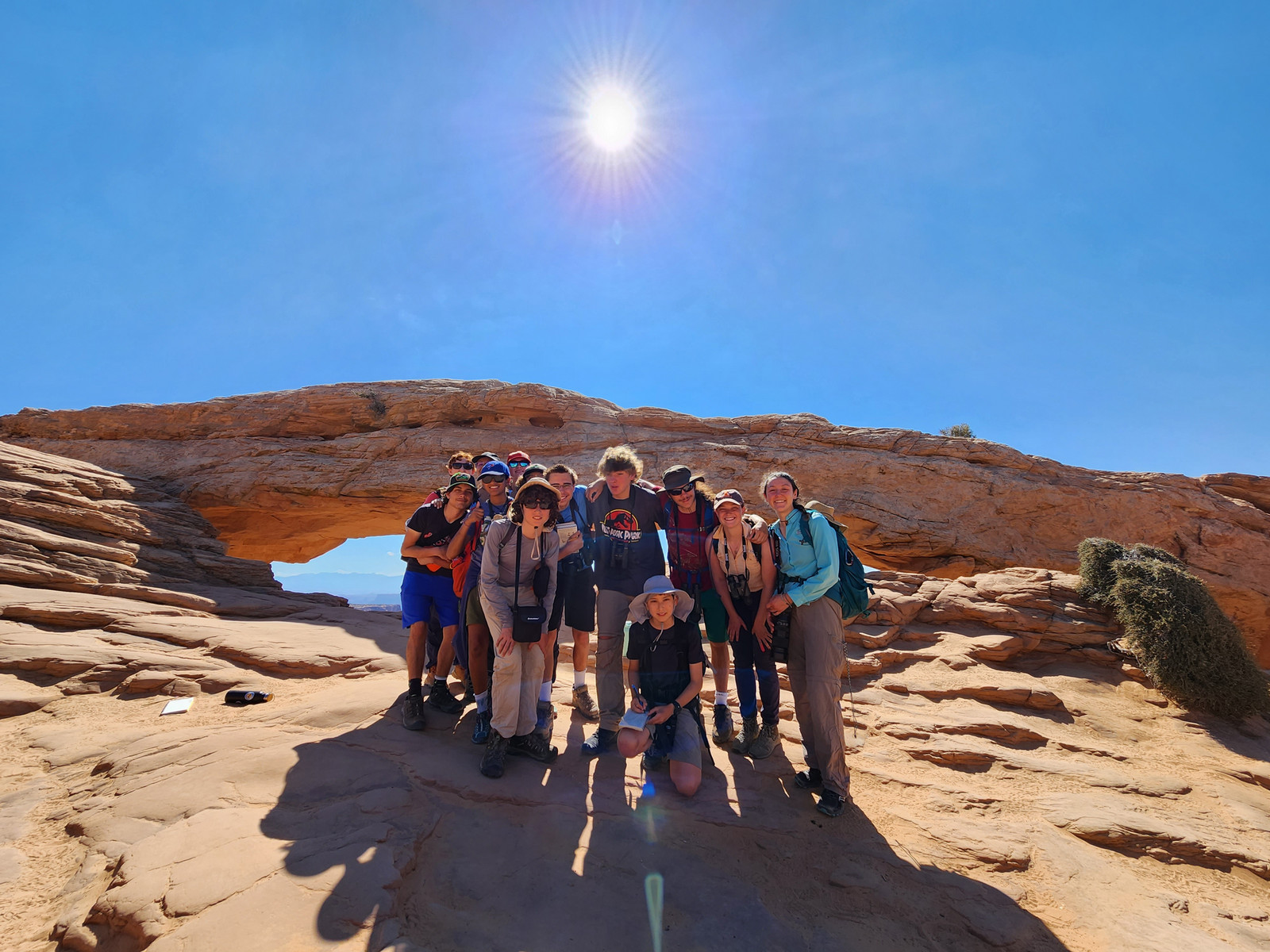
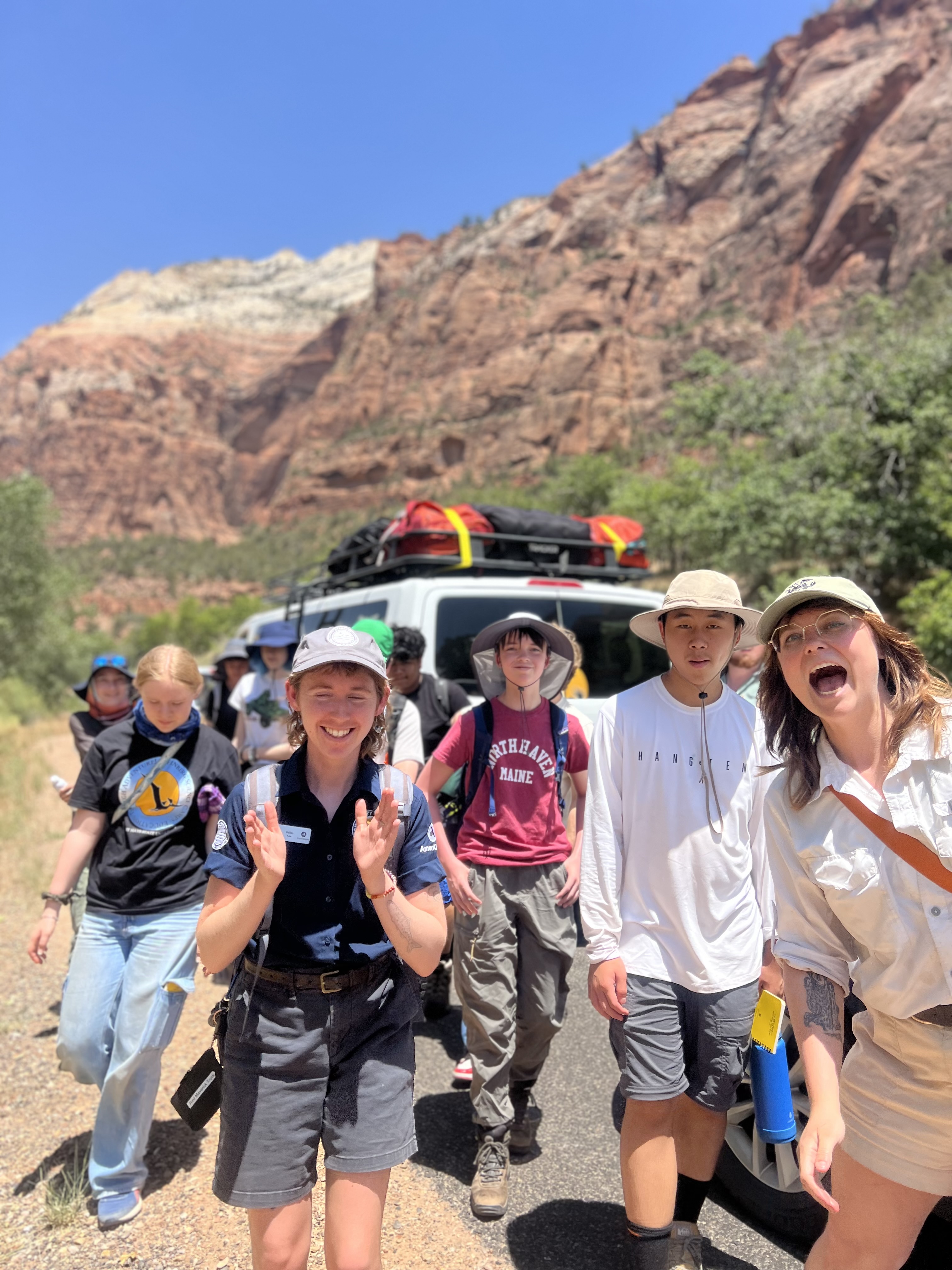
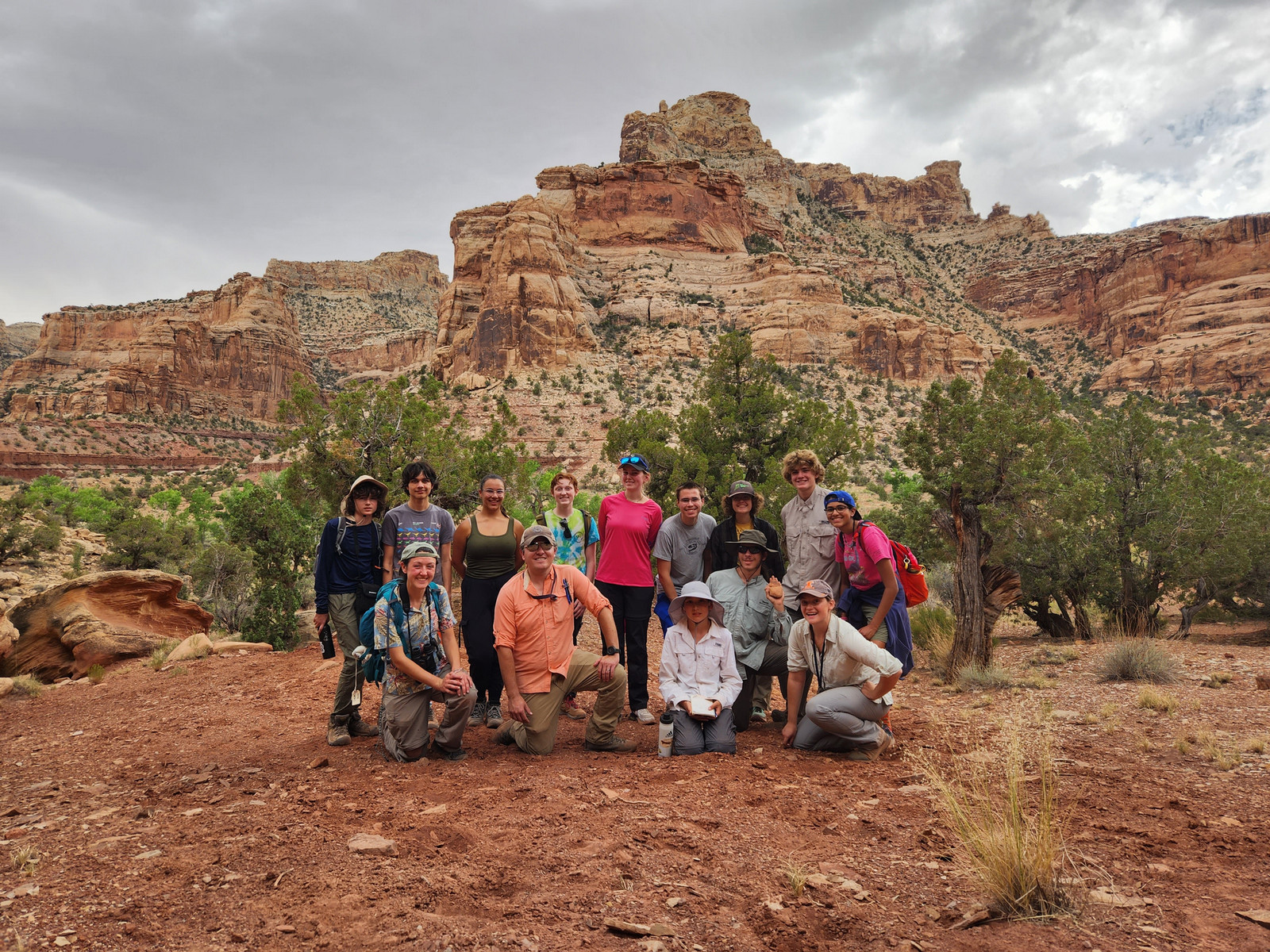
- Description: Join instructor and National Park Service paleontologist Alexandra Bonham for a two-week adventure in Utah exploring the fossils, geology, and modern biology of its amazing landscape. Alexandra worked for us in 2022 as a teaching assistant on Field Paleontology: Kansas while completing her Masters at University of Georgia. Since then she has worked as an NPS paleontologist in the Southwest United States, primarily in Utah.
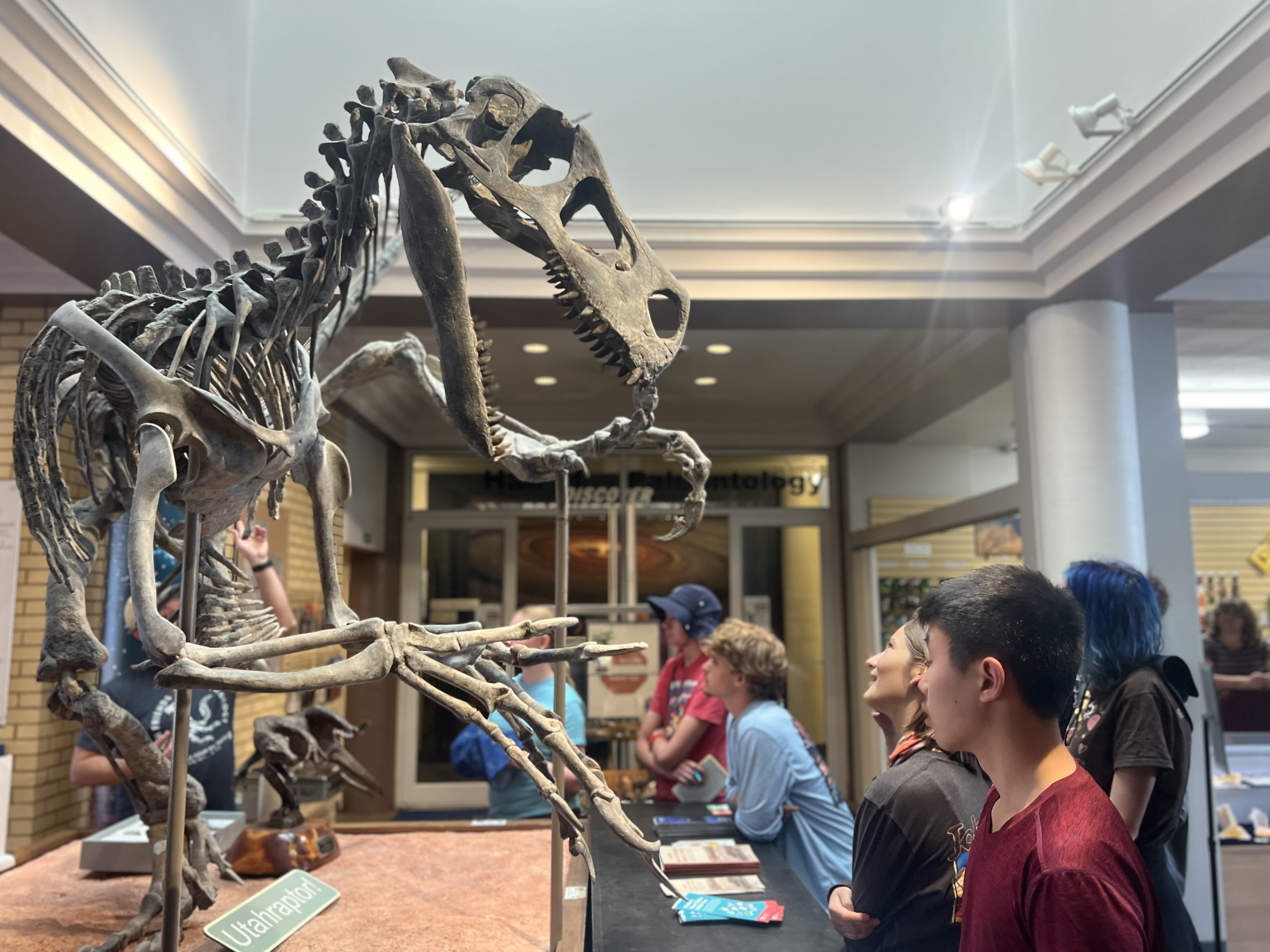
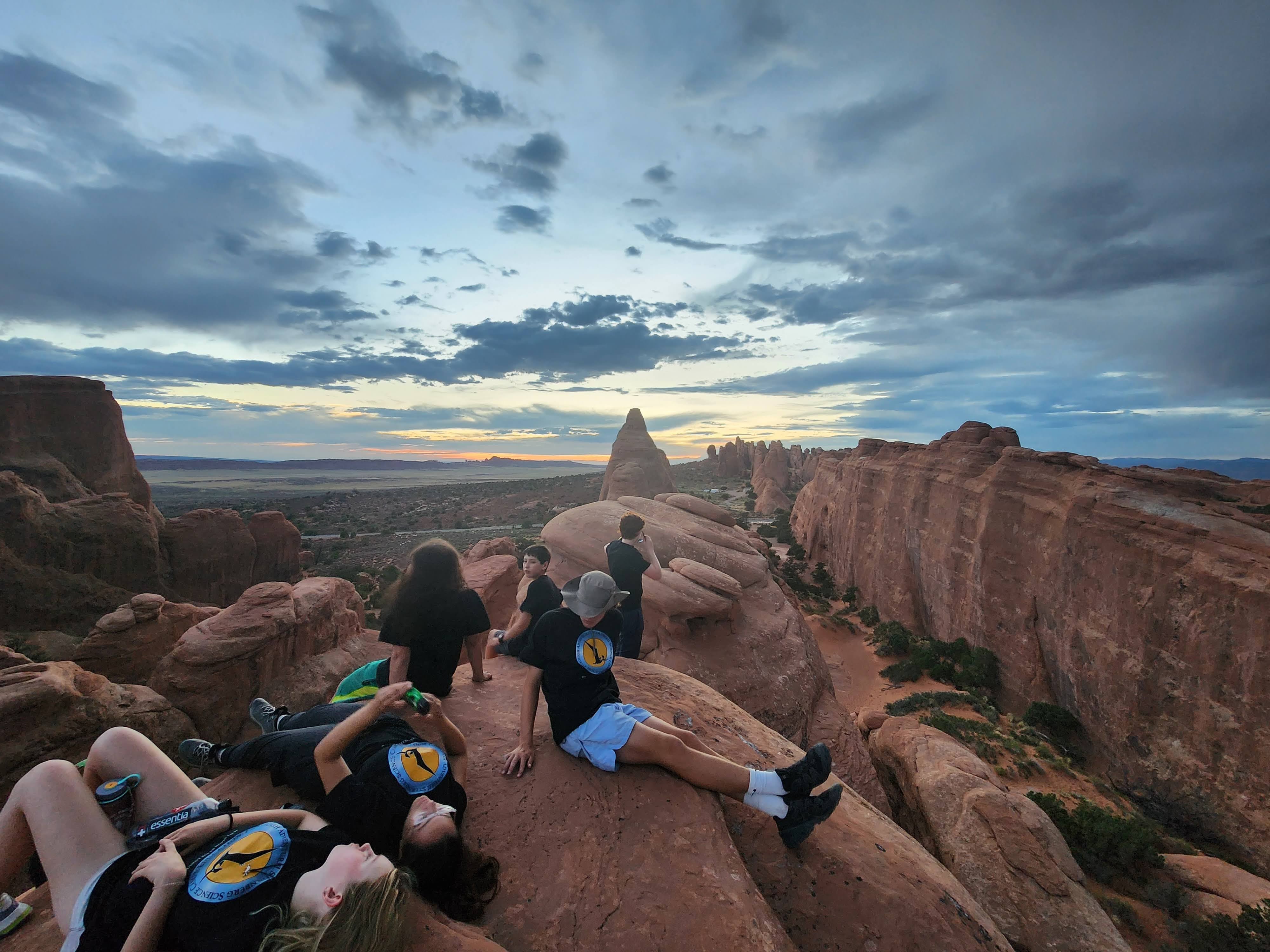
Students and staff will convene in Las Vegas, Nevada before heading into Southern Utah to begin their trek to dinosaur field sites, amazing canyons and rock arches, and even a stop at Dinosaur National Monument. While out on hikes, students will also get a taste of modern desert biology and ecology. This is our third year running this camp, which was phenomenally designed and piloted at maximum enrollment by instructors Maggie and Marjie in 2023 and run again by Alexandra in 2024 and 2025. We're immensely excited to be returning it with Alexandra at the helm again, giving more students the chance to experience the incredible natural history of Utah!
This is a fully tent-camping program, using a mix of primitive sites as well as sites with showers. Students will have an opportunity to do laundry in town midway through camp.
- Camp activity highlights:
- Visiting spectacular geological monuments at Arches and Canyonlands national parks.
- Working with professional paleontologists at established research field sites.
- Visiting Dinosaur National Monument, and meeting NPS paleontologists
- Exploring desert wildlife including reptiles, nocturnal mammals, and birds.
- Registration fee: $4,252
- Scholarships are available! For more information, please visit our Scholarships page.
- Fee covers:
- Meals Accommodations
- Transportation during camp
- Group equipment
- Materials for activities
- Fee does not cover:
- Flights to and from camp location
- Personal gear including clothing and toiletries (see the packing list linked above for more details)
- Accommodations before the camp begins and after the camp ends
- Food before the camp begins and after the camp ends
Field Paleontology North Dakota (returners' camp)
- Start date: June 21, 2026
- End date: July 3, 2026
- Camp location: Bismarck, ND
- Primary airport: Bismarck Airport (BIS)
- Travel guidance for North Dakota programs.
- Expected physical exertion level: 3/5
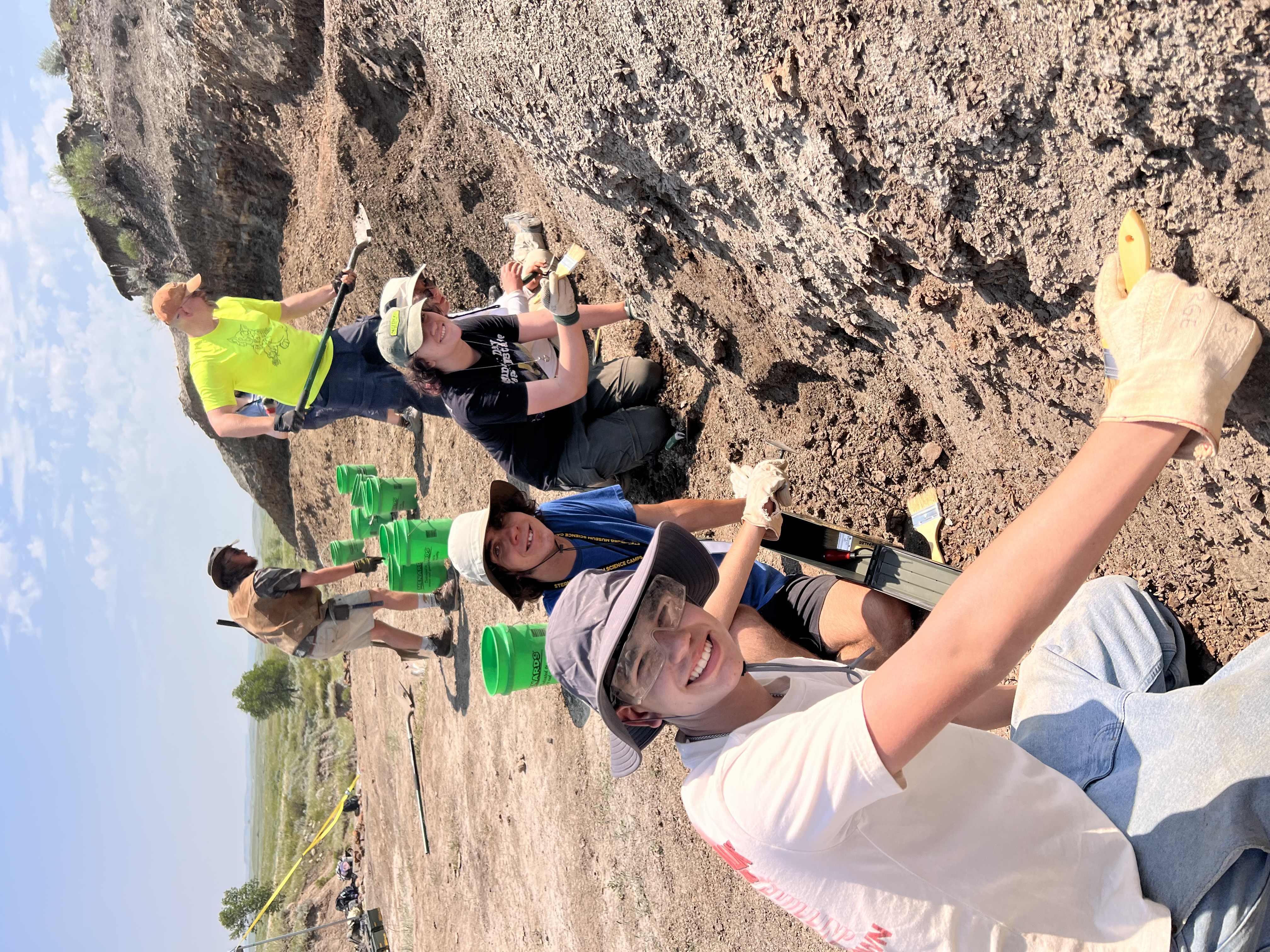
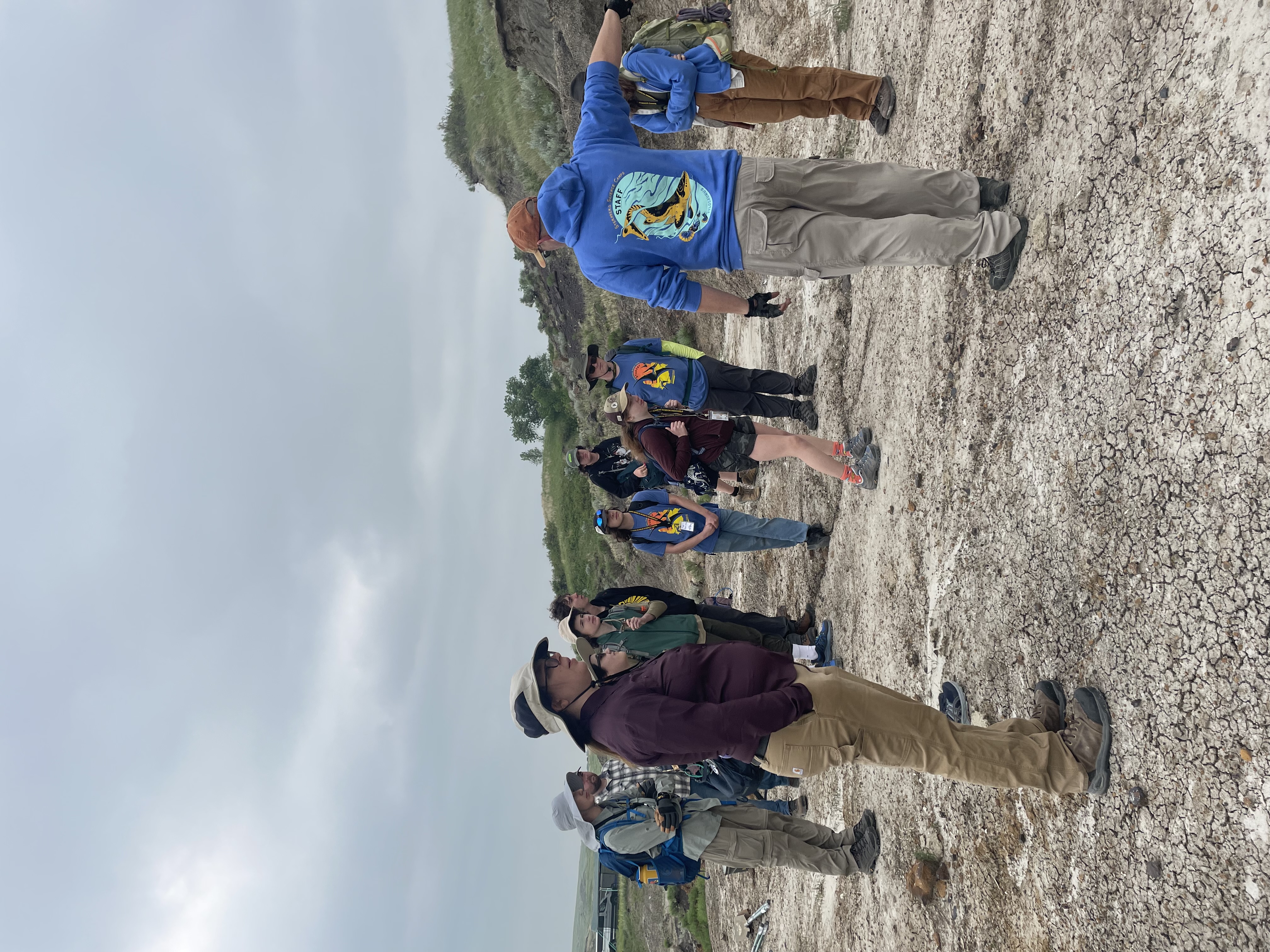
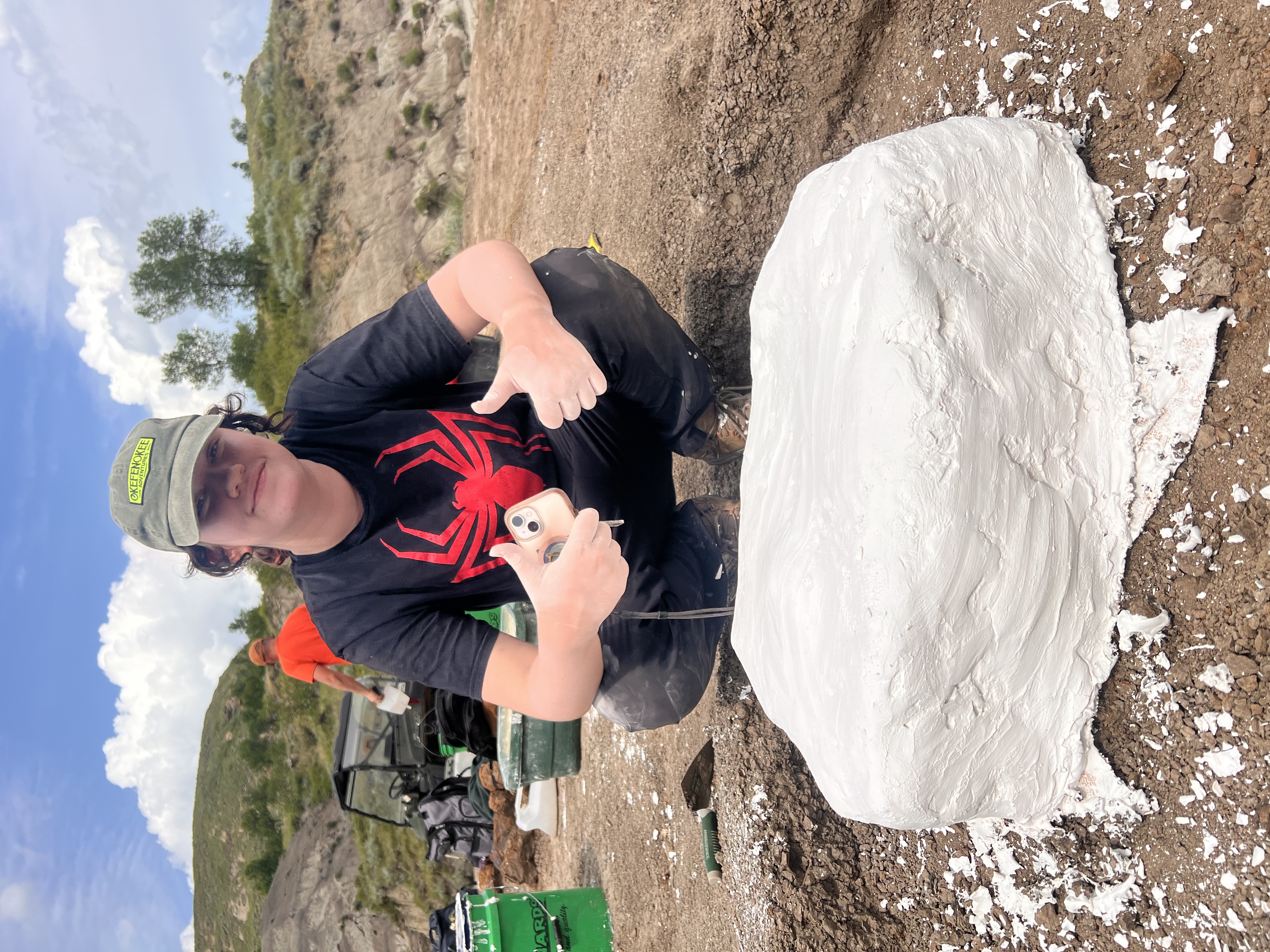
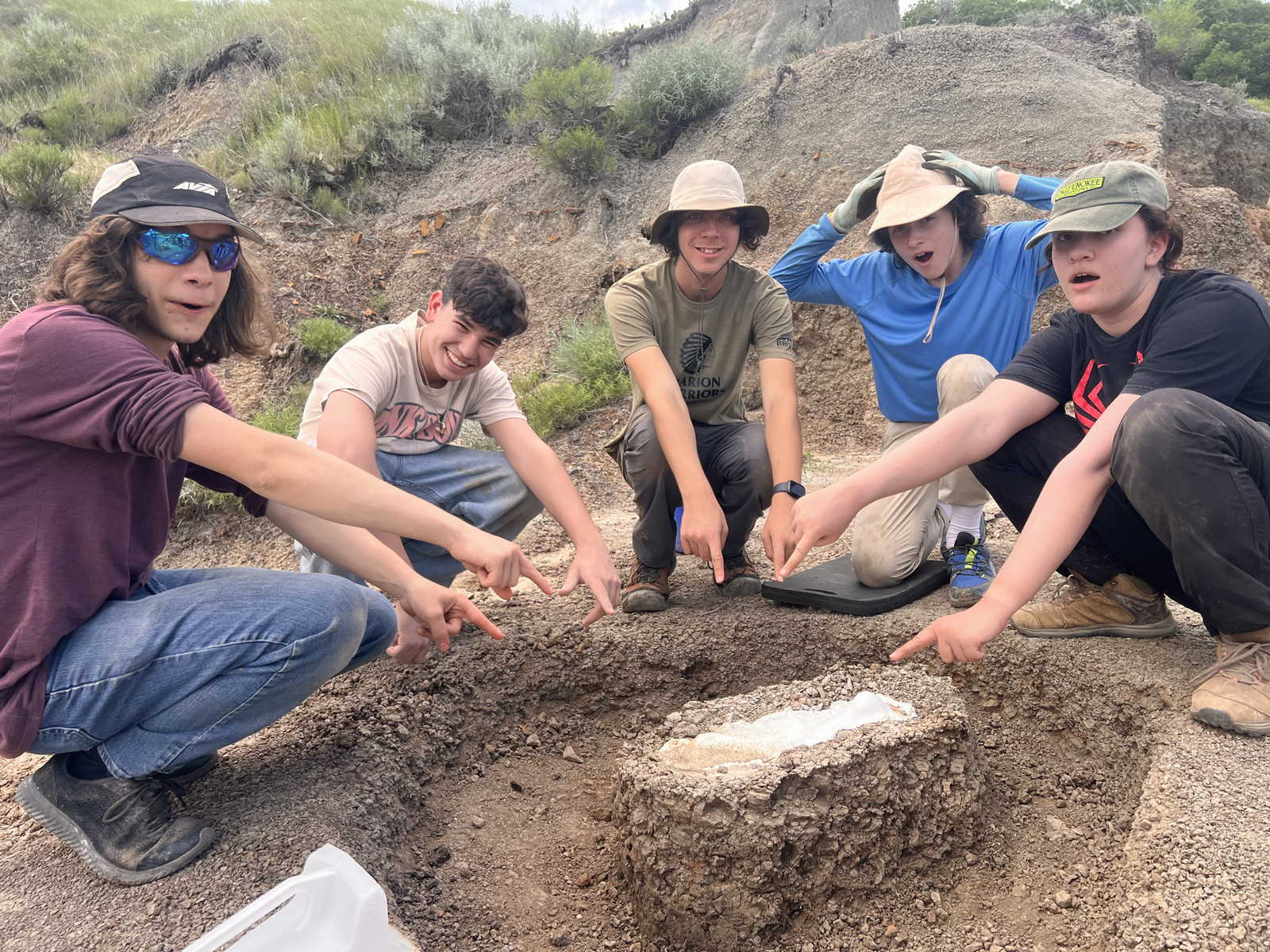
- Description: This field paleontology program is being offered in collaboration with the North Dakota Geologic Survey, and will be making use of established Cretaceous Hell Creek field sites. Students will work with NDGS paleontologist Dr. Clint Boyd as well as Sternberg Camps+ TAs on ongoing field projects as well as visit other regional sites for shorter exploratory trips. The Hell Creek is one of the most famous and prolific fossil-producing geologic settings in the world. In North Dakota, components of the Hell Creek have yielded large marine and terrestrial reptiles along with incredibly complete geological and paleobiological records.
While this is program is predominantly field-based in its planned activities, the group will be staying in a local AirBnB unit instead of tent-camping. In past years we have had issues in the dakotas with severe weather severely damaging tents and vehicles, so we are opting for a pragmatic approach to reduce risks. This also makes the program a bit friendlier to students wanting to get field experience, but possibly have little or no prior camping experience.
Note: Applicants must have successfully participated in one or more Sternberg camp programs at the high school level in a prior year. The age range is also 16-18, as per request of our program partners in North Dakota.
- Camp activity highlights:
- Working with the NDGS state paleontology crew including instructor Dr. Clint Boyd.
- Fieldwork in the world-famous Hell Creek Cretacous fossil sites on North Dakota.
- Indoor activities such as screen-washing and sorting microfossils using on-site lab facilities.
- Lessons and skill-building in stratigraphic geology fieldwork.
- Behind the scenes visit to NDGS museum in Bismark, ND.
- Registration fee: $6,669
- Scholarships are available! For more information, please visit our Scholarships page.
- Fee covers:
- Meals Accommodations
- Transportation during camp
- Group equipment
- Materials for activities
- Fee does not cover:
- Flights to and from camp location
- Personal gear including clothing and toiletries (see the packing list linked above for more details)
- Accommodations before the camp begins and after the camp ends
- Food before the camp begins and after the camp ends
Field Paleontology Kansas

- Session 1 (This is a standalone 2-week camp)
- Start date: June 14, 2026
- End date: June 26, 2026
- Session 2 (This is a standalone 2-week camp)
- Start date: July 5, 2026
- End date: July 17, 2026
- Expected physical exertion level: 4/5
- Camp location: Sternberg Museum, Hays, KS and regional state campgrounds
- Arrival/departure airport: Hays Regional Airport
- Travel guidance for Kansas programs.
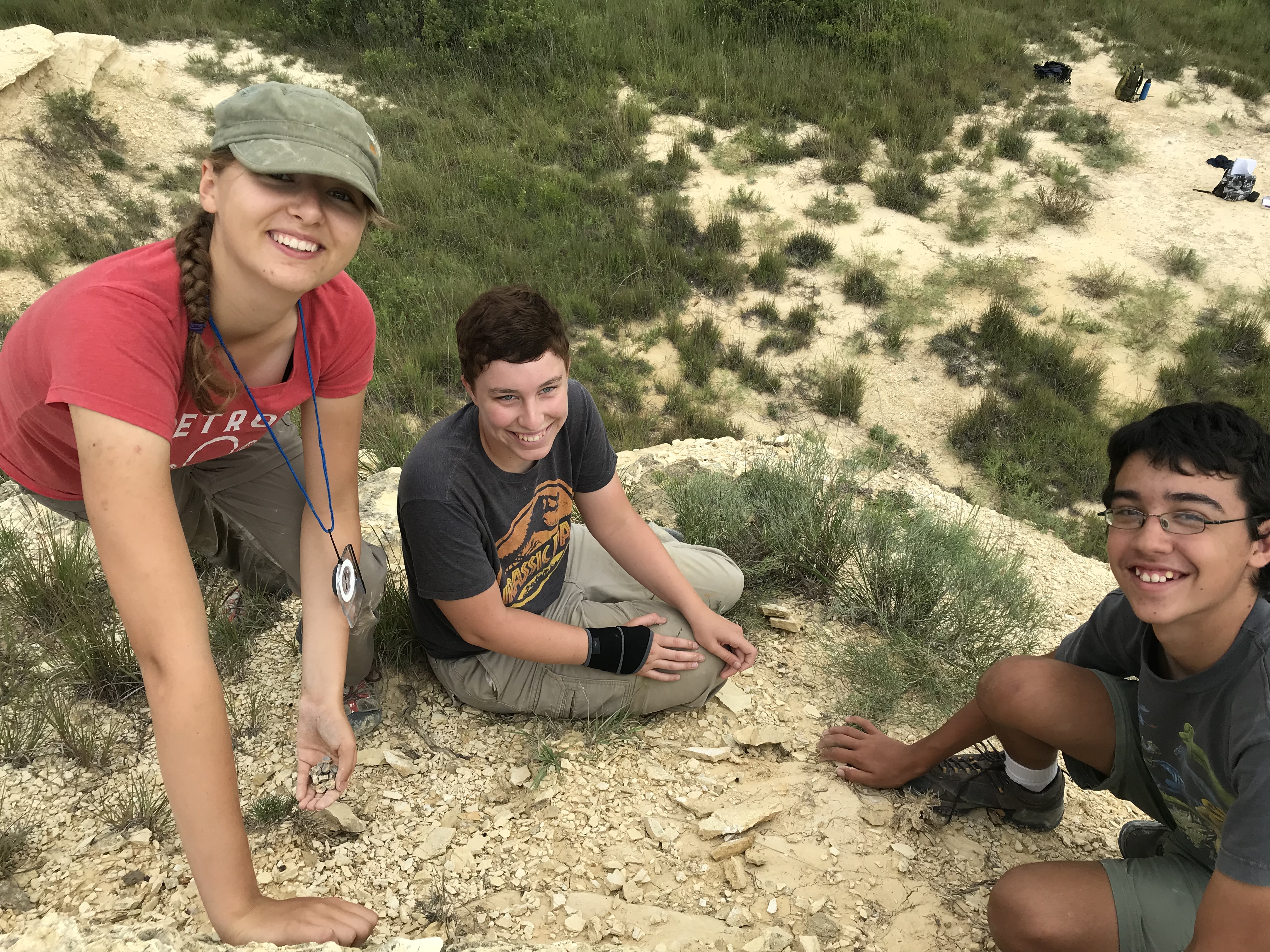
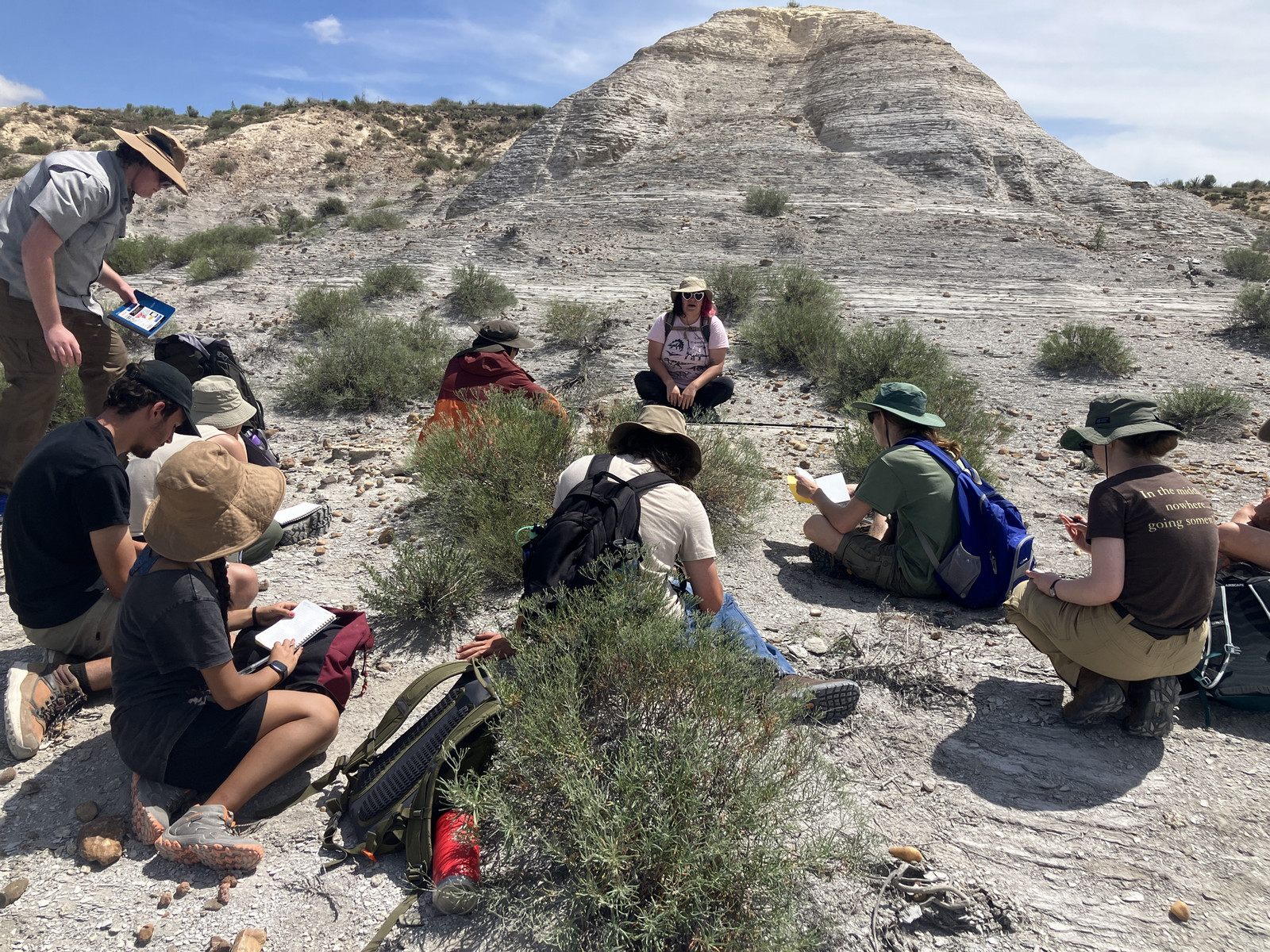
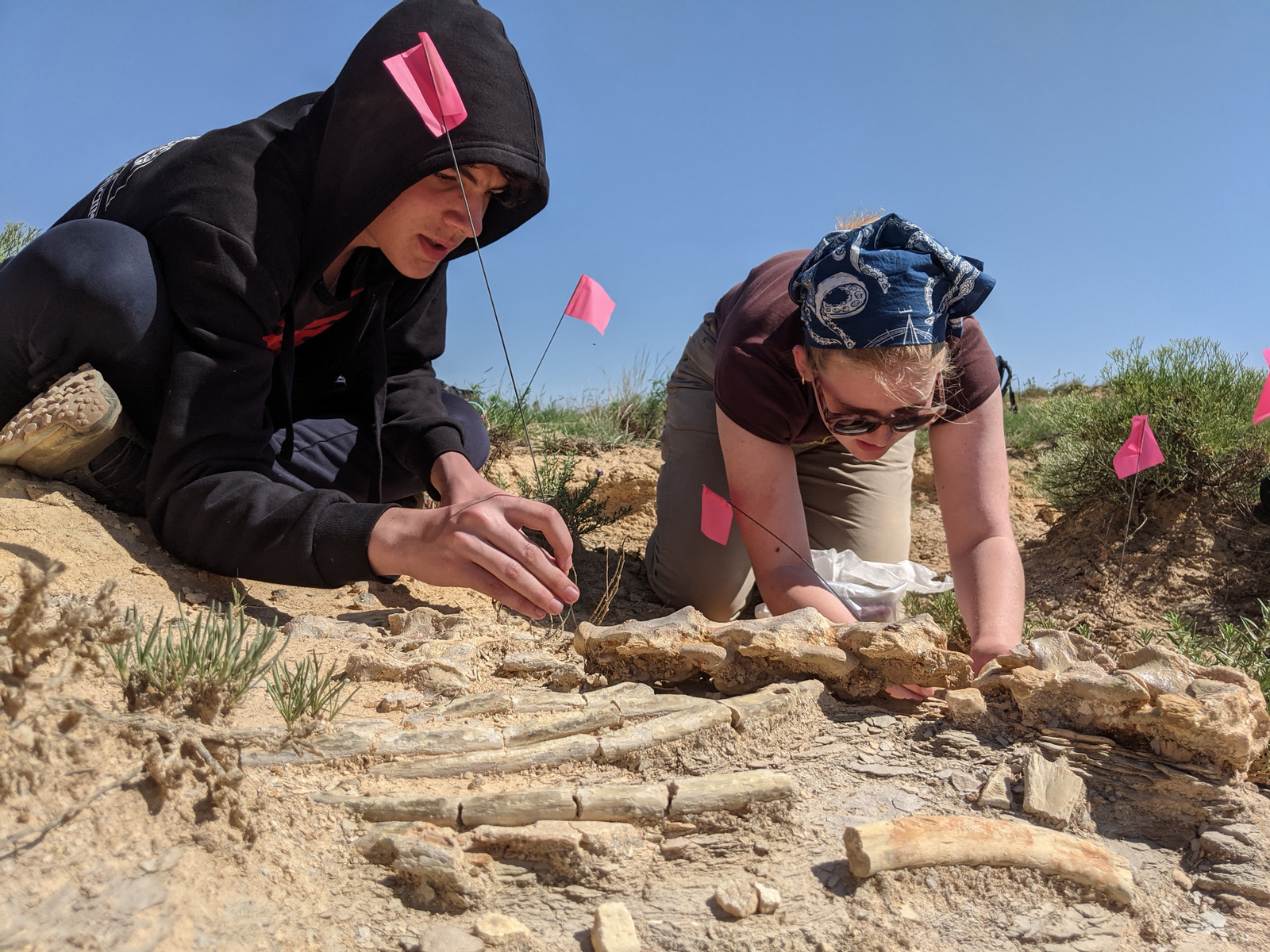
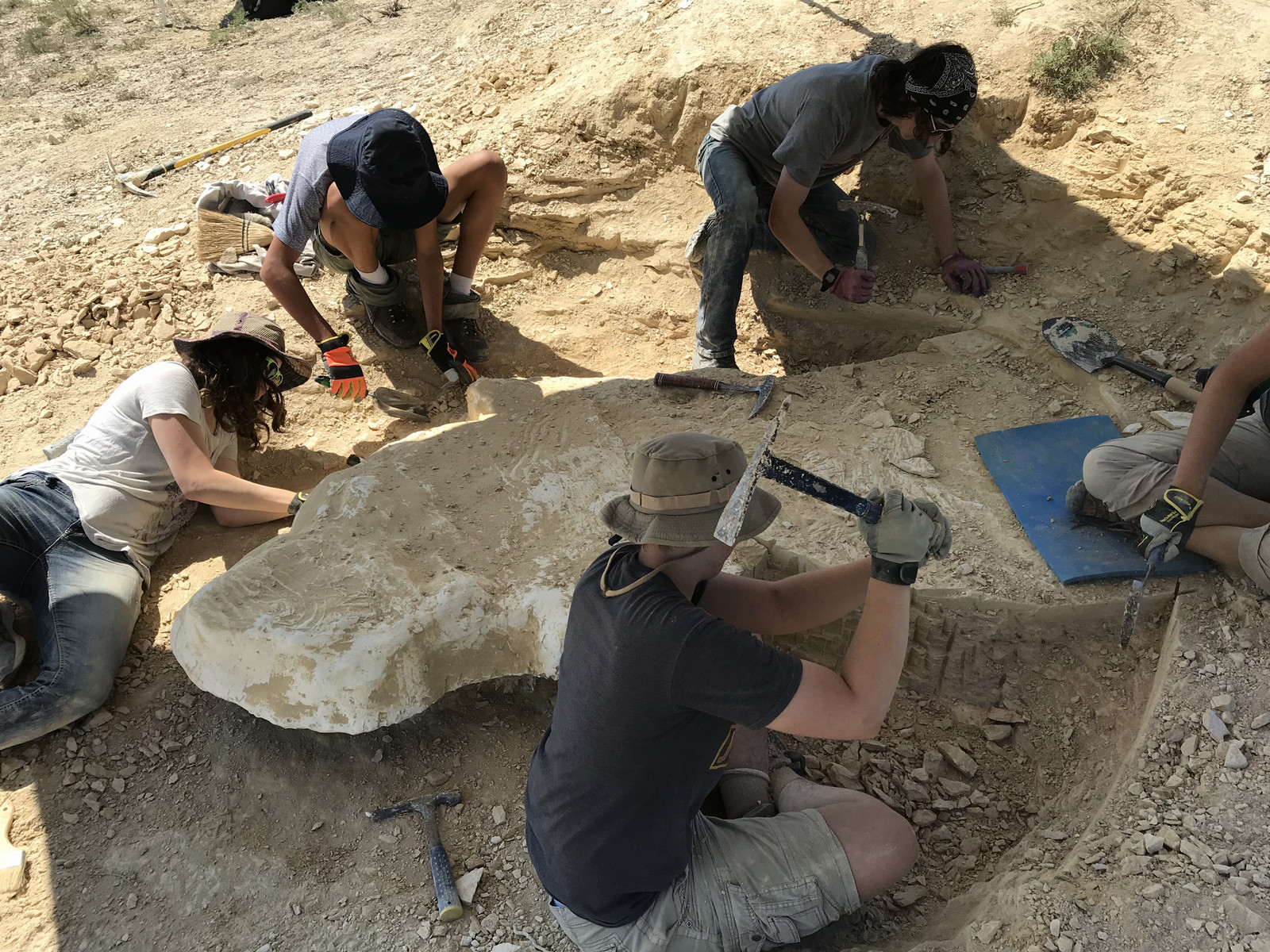
- Description: In Field Paleontology: Kansas, students will get to investigate the paleontology and ecology of the ancient ecosystems out in the field, prospecting for and digging up fossils. Participants can expect to encounter a wide variety of fossil vertebrates and invertebrates during their fieldwork. Students will learn how to find and collect fossil material using the same tools and techniques as professional paleontologists. This will include learning to take field notes, set up a campsite, use GPS units, map and compass skills, and proper methods of fossil collection and transport to preserve as much information as possible. Collected fossils will return to the Sternberg Museum to be added to the research and education collections. Evening group discussion sessions will explore topics such as applying to college, starting a research project, and working with professors. This is our longest standing camp, with successful alumni flourishing in college earth and life science programs across the country. This camp is predominantly tent-camping and campgrounds with running water and showers. During the middle weekend the group will spend three nights in the FHSU dorms where they will be able to do laundry.
- Camp activity highlights:
- Field paleontology skills including professional research records, use of tools and equipment, fossil identification, excavation best practices as needed for annual projects, and applications of field geology.
- Camping skills including field cooking, campsite setup and teardown, field safety, and logistics best practices.
- Skeletal anatomy lab activities at Fort Hays State University Biology Department.
- Visiting the Sternberg Museum research collections.
- Registration fee: $3,731
- Scholarships are available! For more information, please visit our Scholarships page.
- Fee covers:
- Meals Accommodations
- Transportation during camp
- Group equipment
- Materials for activities
- Fee does not cover:
- Flights to and from camp location
- Personal gear including clothing and toiletries (see the packing list linked above for more details)
- Accommodations before the camp begins and after the camp ends
- Food before the camp begins and after the camp ends
- Travel guidance: There are at most two flights a day at the Hays regional airport via the Denver International Airport. We recommend participants of our Kansas camps arrive the Saturday night before camp starts. Students who choose this option will be picked up by Camps staff and taken to the FHSU dorms for the night before starting their camp the next morning. We will provide transport from the FHSU dorms to the Sternberg Museum to meet the rest of their group. We do charge $50 a night for dorms use and pre-camp transport, which is placed as a fee on the participant's CampDoc account.
Field Paleontology Tennessee (returners' camp)
- Start date: July 12, 2026
- End date: July 24, 2026
- Camp location: Eastern Tennessee State University, Johnson City, TN
- Primary airport: Tri-Cities Airport, Blountville, TN
- Travel guidance for Tennessee programs.
- Expected physical exertion level: 5/5
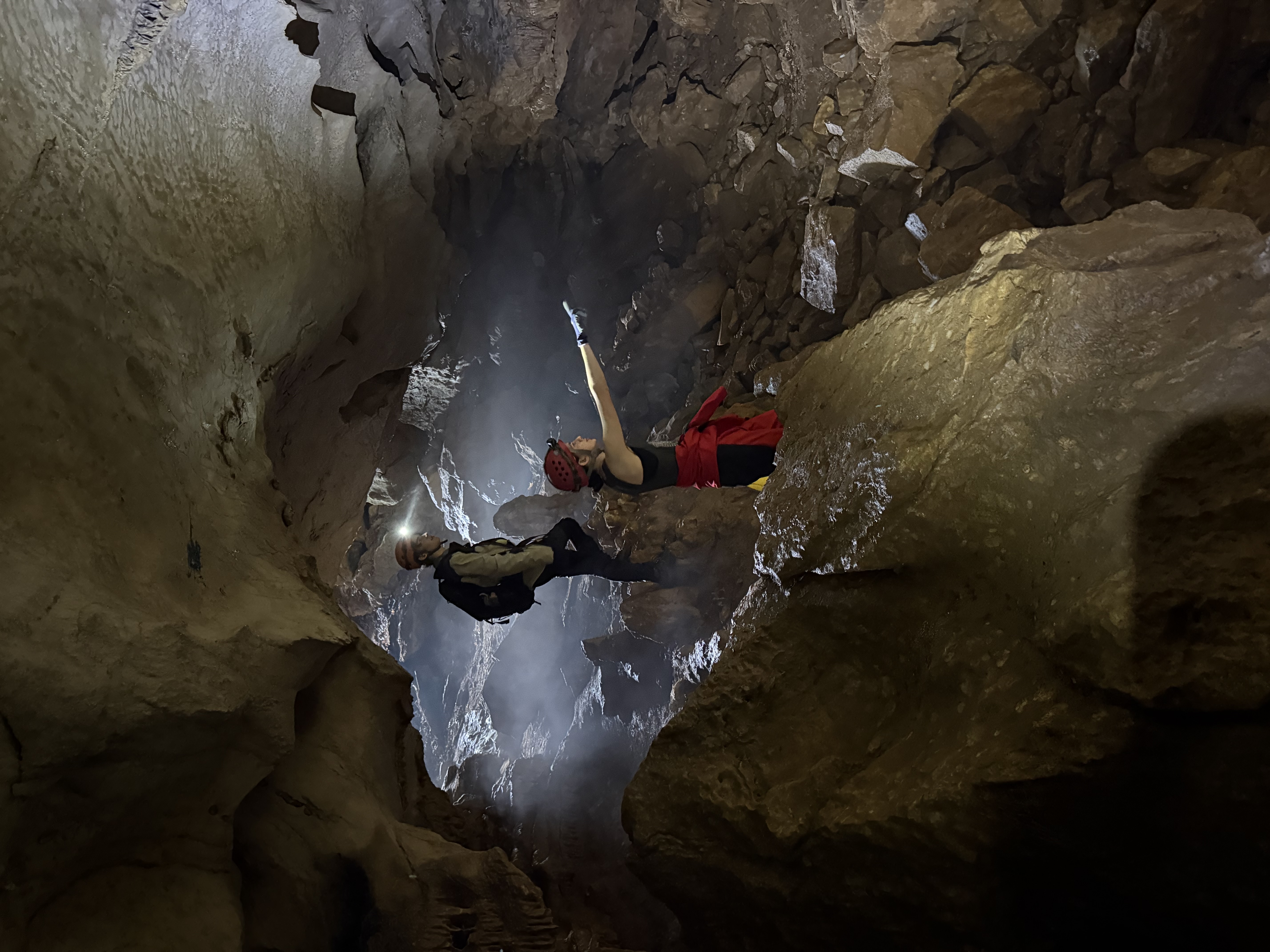
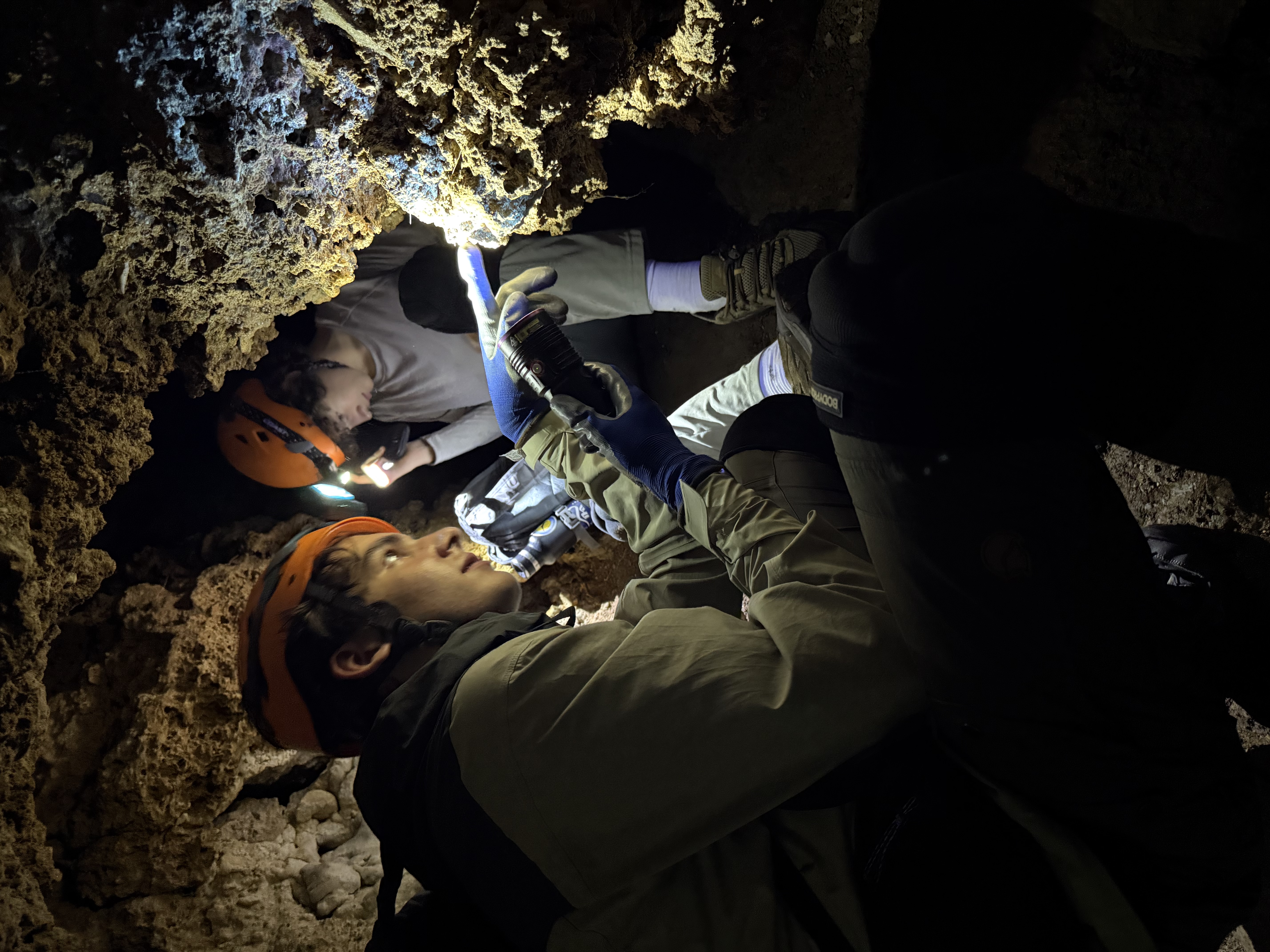
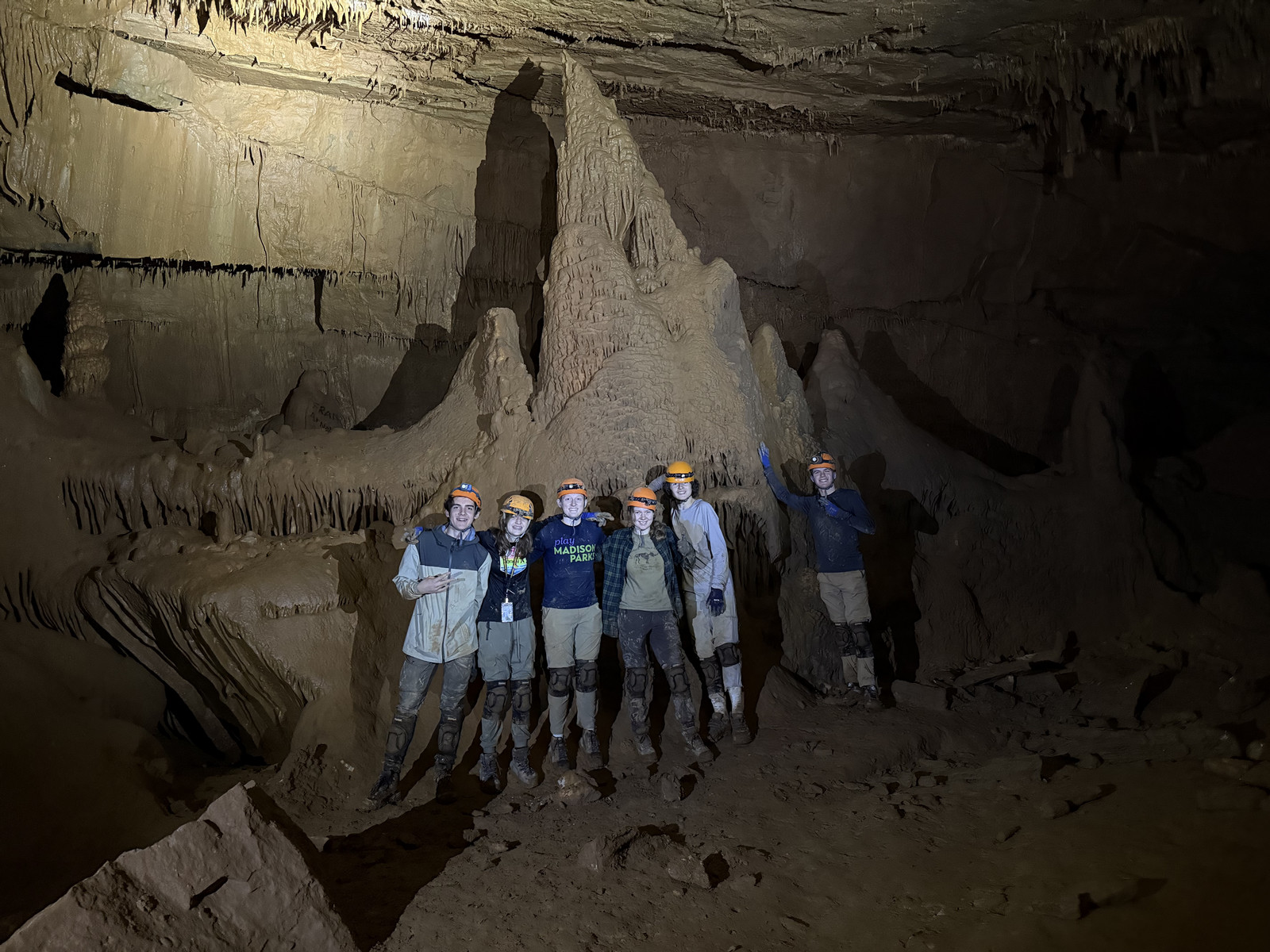
- Description: Building on the success of our Paleontology Academy Tennessee program, this camp will get students learning the intracies of safe, successful paleontological fieldwork in caves! Implementing a college-level curriculum developed by co-instructor Dr. Blaine Schubert, students will get hands-on with mammal fossil deposits in area caves. In these deposits lay the remains of prehistoric organisms that fell, washed or blew into the cave and were buried in mud, secure from the destructive natural forces outside. The cave walls themselves are also fossiliferous, made up of ~300 million year old limestone from an ancient sea. Skeletal remains of vertebrates found in these cave deposits are ~1.8 million years old, and can include organisms such as sabertooth cats, giant ground sloths, giant aramdillos, and mastadons, along with much smaller mammals such as voles. Cave fossils are a remarkable resource, and the skills we present in this program to study them are relevant to paleontological field projects around the world!
Note: Applicants must have successfully participated in one or more Sternberg camp programs at the high school level in a prior year.
This is a dorms-based camp, with students and staff staying in the Eastern Tennessee State University dormitories and eating in the ETSU dining hall as a group.
- Camp activity highlights:
- Learning to use proper safety equipment for cave-based paleontology field work.
- Assisting ETSU faculty in fossil surveying and collection in area cave sites.
- Team management and planning procedures needed for technically hazardous field paleontology to be done safely and successfully.
- Learning to identify skeletal remains of organisms found in visited cave deposits.
- Behind the scenes visits the Gray Fossil Site Museum.
- Registration fee: $5,136
- Scholarships are available! For more information, please visit our Scholarships page.
- Fee covers:
- Meals Accommodations
- Transportation during camp
- Group equipment
- Materials for activities
- Fee does not cover:
- Flights to and from camp location
- Personal gear including clothing and toiletries (see the packing list linked above for more details)
- Accommodations before the camp begins and after the camp ends
- Food before the camp begins and after the camp ends
Field Geology Yellowstone
- Start date: June 21, 2026
- End date: July 3, 2026
- Camp location: Yellowstone National Park
- Primary airport: Bozeman, Montana
- Expected physical exertion level: 3/5
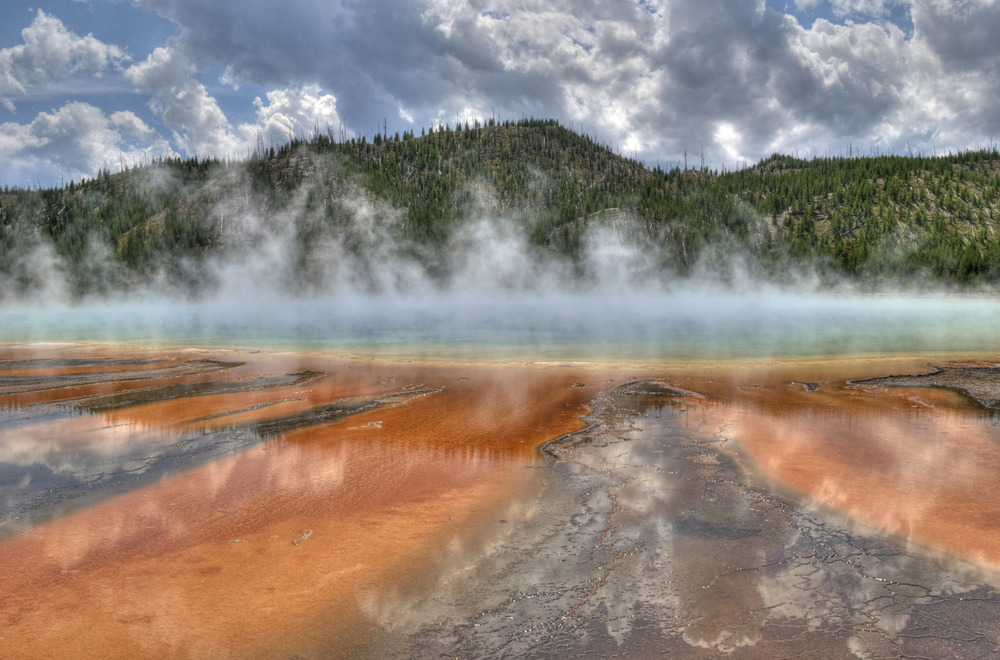
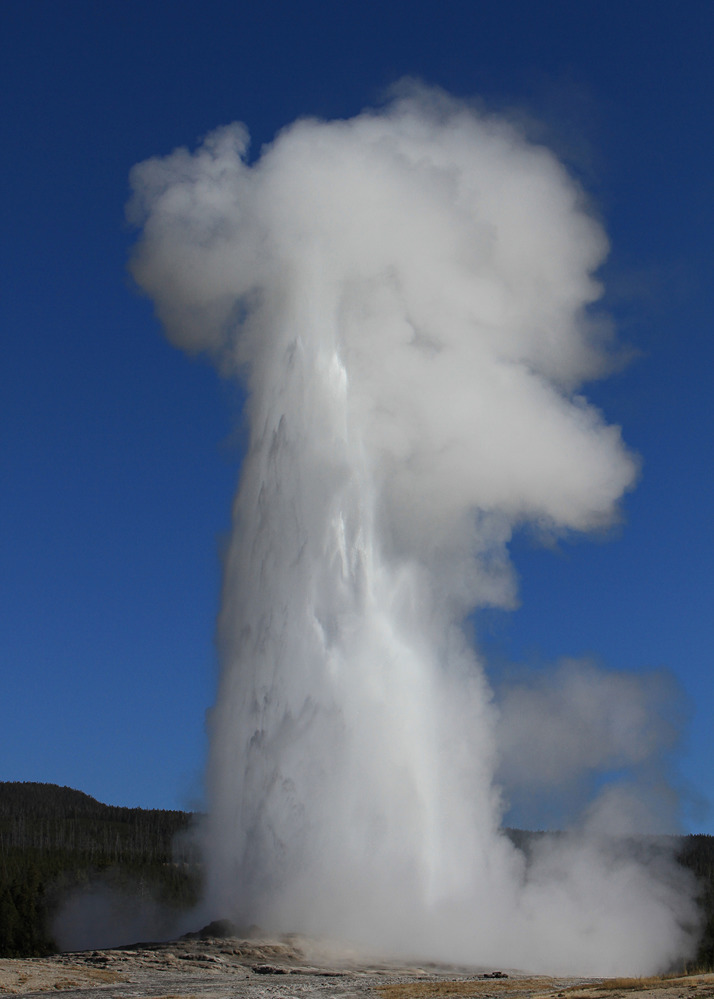
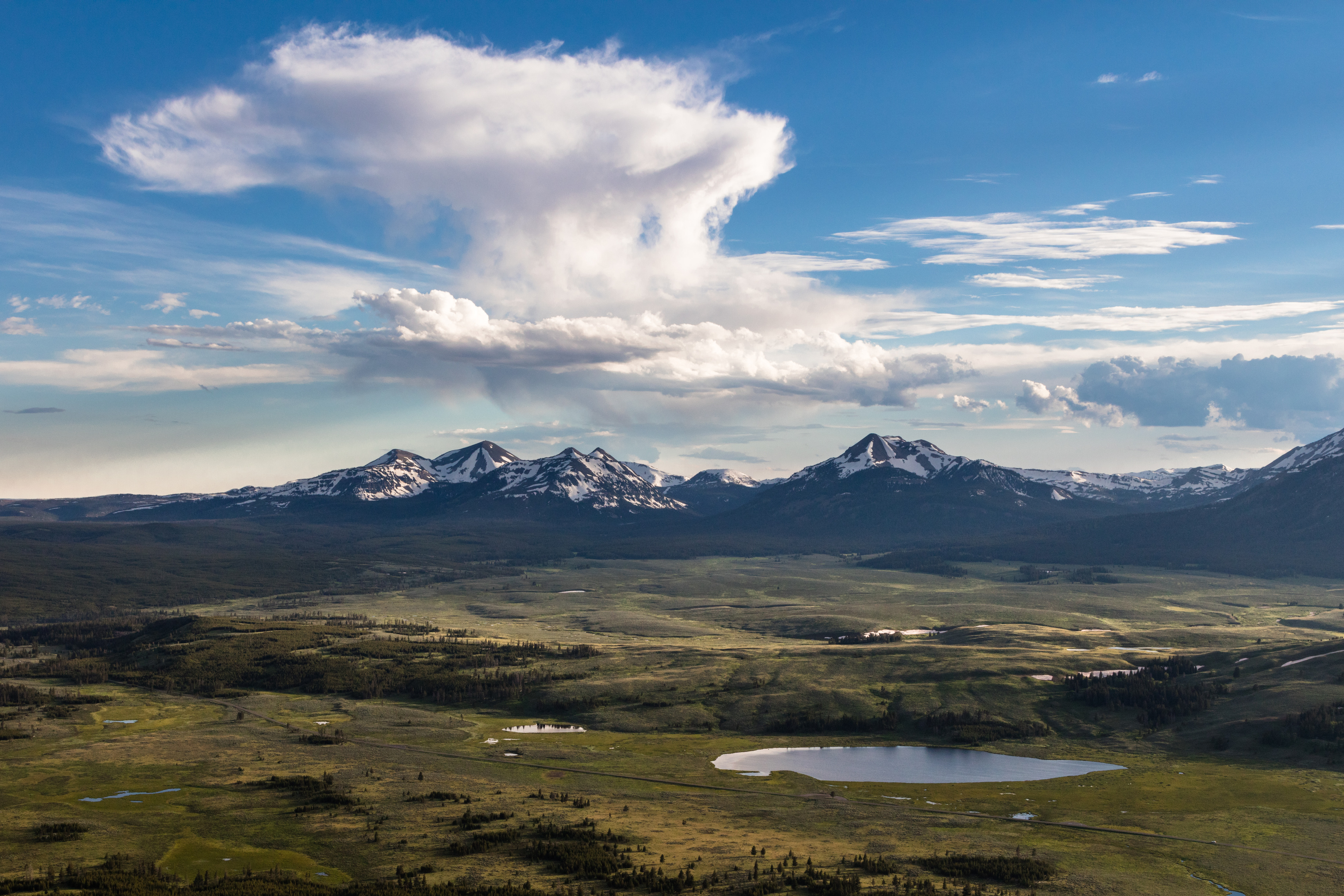
- Description: Geysers, volcanos, and fossils, oh my! Yellowstone National Park has it all and our staff are ecstatic to teach you all about it! Returning staff Carson Cope, Claire Wolfe, and Alese Thompson are back together and would like to invite you to join them on this two-week adventure! Students will learn about the intricate geologic processes involved in creating beautiful features like the infamous Old Faithful Geyser and lesser-known spots like Black Sands Basin and Grand Prismatic Springs. Beyond learning how geologic processes form the features of Yellowstone, students will be able to learn how these same processes impact the local environment and biology. Students will be able to hike throughout the National Parks, work alongside professional geoscientists, and speak to National Park employees. Students will learn proper field skills, interpersonal communications, and, of course, the geology of Yellowstone. Students will learn invaluable skills that will aid them in their future endeavors, particularly in fields like Geology, Environmental Science, Paleontology, Natural Resources, and more! Students will have an opportunity to do laundry in town midway through camp..
- Camp activity highlights:
- Exploring Yellowstone’s iconic geothermal features, including Old Faithful, Grand Prismatic Spring, and Black Sands Basin.
- Hiking throughout Yellowstone National Park while practicing safe and effective field skills.
- Working alongside professional geoscientists and meeting National Park Service staff.
- Learning how geologic processes shape both landscape features and local ecosystems.
- Building skills in geology, environmental science, paleontology, and natural resource studies.
- Developing teamwork and communication skills during a two-week immersive field experience.
- Registration fee: $7,766
- Scholarships are available! For more information, please visit our Scholarships page.
- Fee covers:
- Meals Accommodations
- Transportation during camp
- Group equipment
- Materials for activities
- Fee does not cover:
- Flights to and from camp location
- Personal gear including clothing and toiletries (see the packing list linked above for more details)
- Accommodations before the camp begins and after the camp ends
- Food before the camp begins and after the camp ends
Field Geology Utah
 ;
;- Start date: June 21, 2026
- End date: July 3, 2026
- Camp start location: Las Vegas, NV
- Arrival airport: Harry Reid International Airport
- Camp end location: Salt Lake City, UT
- Departure airport: Salt Lake City International Airport
- Travel guidance for Utah programs.
- Expected physical exertion level: 3/5
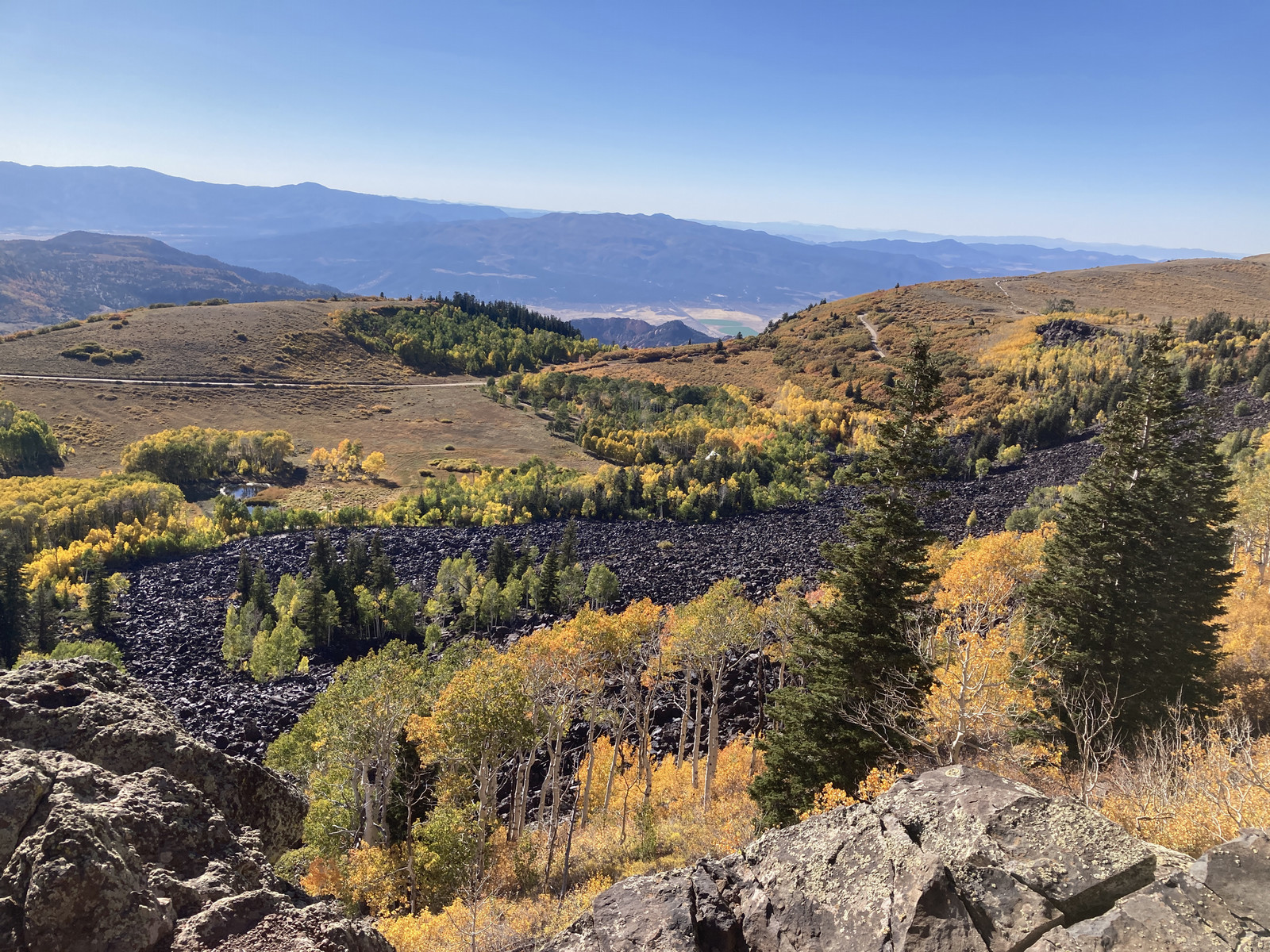
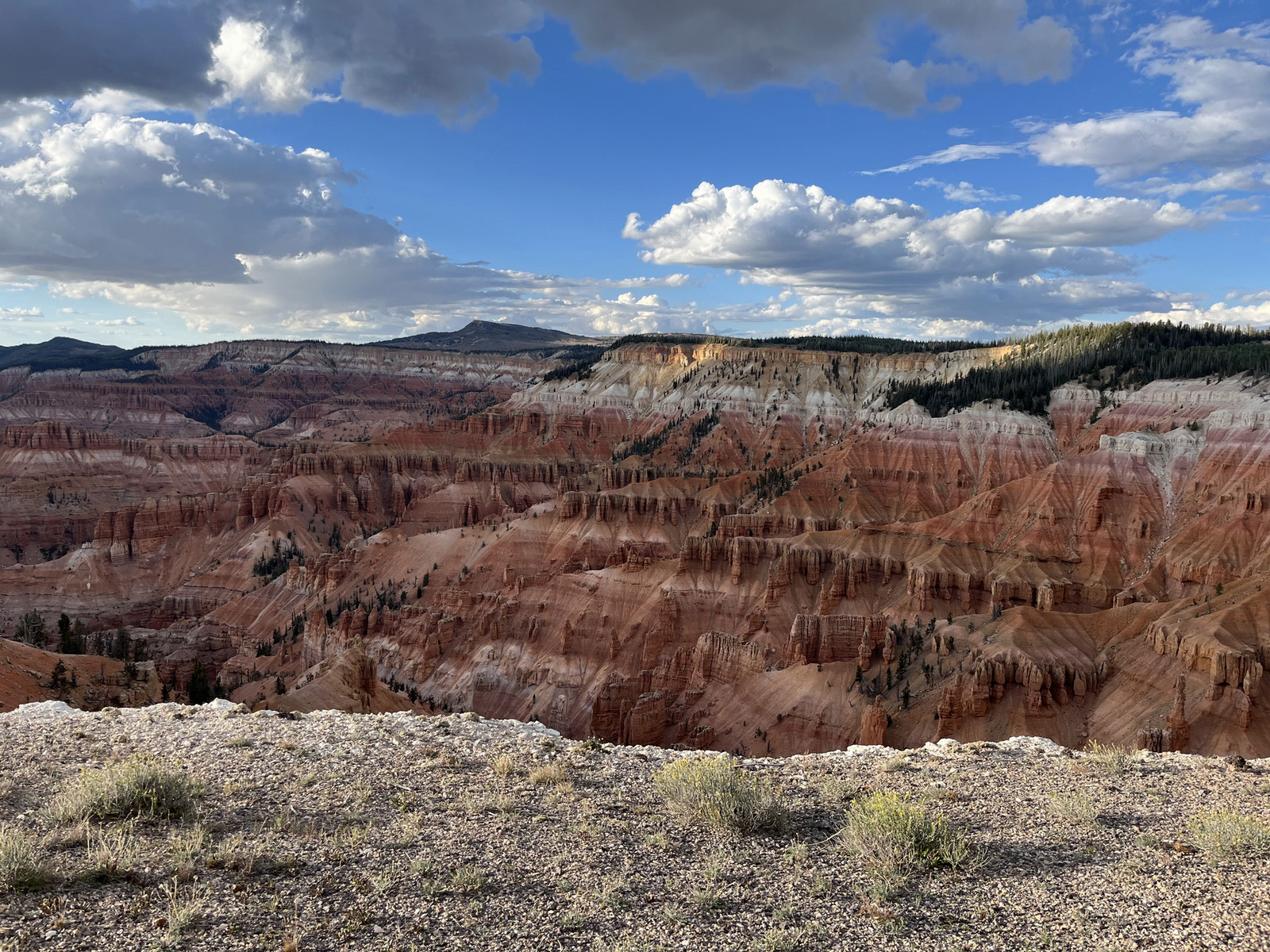
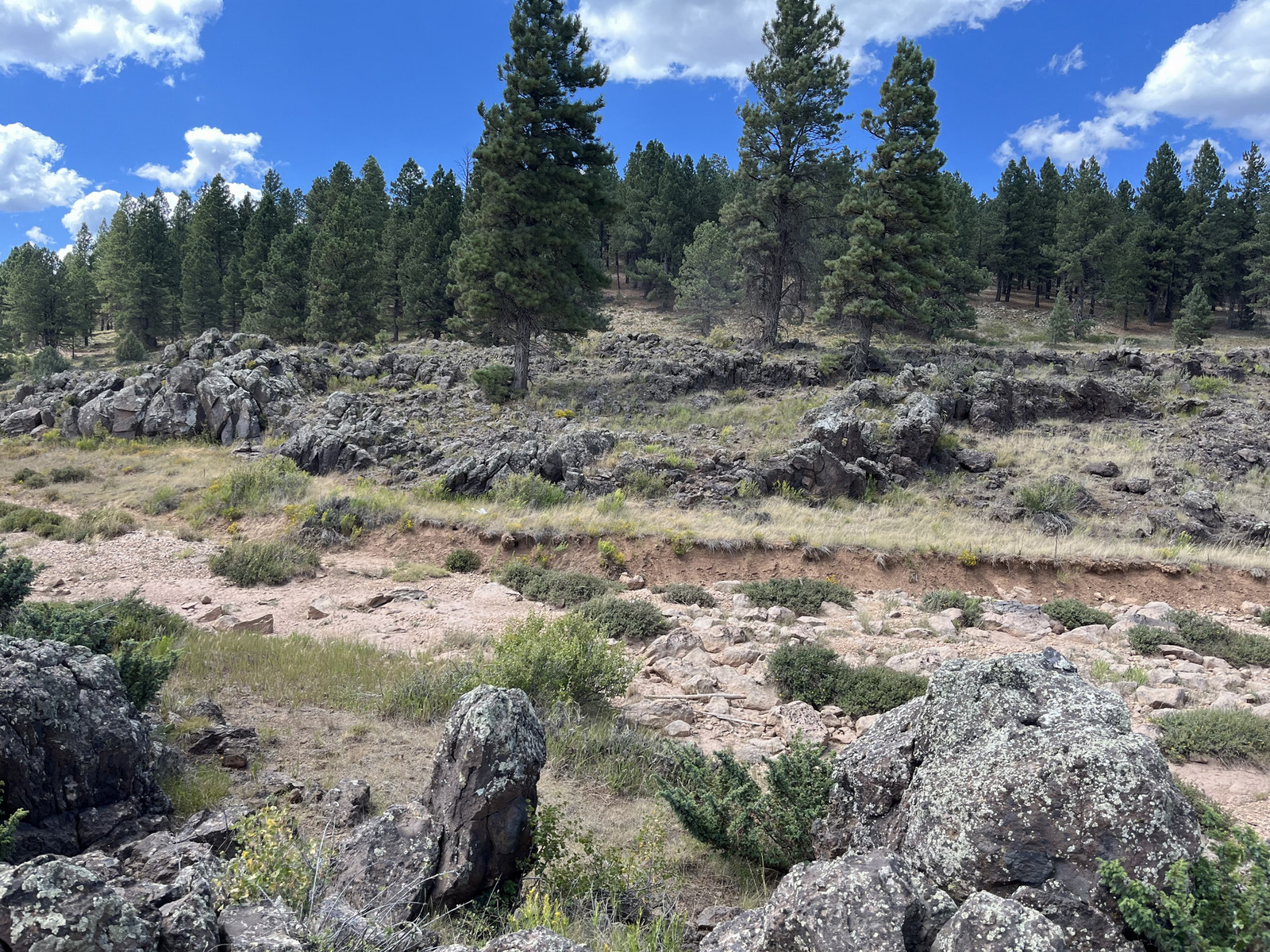
- Description: In Field Geology Utah, students will spend two immersive weeks exploring several million years of volcanic activity across Utah’s incredible geologic landscape. Guided by instructor Caroline Rogers, participants will investigate cooled lava flows, lava tubes, cinder cones, and other striking volcanic features. Caroline's master’s research at the University of Missouri focuses on volcanic complexes in the Black Rock Desert and southern Utah. Along the way, students will hone their skills in geologic mapping, rock and mineral identification, and interpreting volcanic deposits to understand how diverse geologic processes shaped the region. The experience also includes guest presentations from regional professionals, opportunities for rock hounding, and visits to iconic natural areas such as Zion National Park, Dixie National Forest, and nearby state parks. As they explore, students will encounter glimpses of human history preserved in Indigenous petroglyphs carved into both volcanic and sedimentary rock formations.
Students and staff will stay together in an Airbnb rather than tent-camping, making this program an excellent accessible fit for those eager to study Western U.S. geology without the need for extensive camping experience. Evenings will feature structured group discussions focused on geologic modeling, digital mapping, forming research questions, and a range of pre-college skills. Shared responsibilities in communal living create additional opportunities for community building essential life-skills, and personal growth. Meals will be communal, with students learning how to menu-plan, grocery shop, and cook and clean up as would be standard practice in an academic fieldwork trip. Each day blends field exploration with hands-on learning, mini-projects, and thoughtful reflection, providing students with a comprehensive and supportive introduction to field-based geologic study.
- Camp activity highlights:
- Exploring volcanic features including lava flows, lava tubes, and cinder cones.
- Geologic mapping, rock and mineral identification, and interpreting volcanic deposits.
- Visits to iconic natural areas such as Zion National Park, Dixie National Forest, and state parks.
- Guest presentations from regional geologists and opportunities for rock hounding.
- Hands-on field projects, mini-research assignments, and geologic modeling exercises.
- Communal living experience with meal preparation, group discussions, and skill-building in pre-college research practices."
- Registration fee: $5,451
- Scholarships are available! For more information, please visit our Scholarships page.
- Fee covers:
- Meals Accommodations
- Transportation during camp
- Group equipment
- Materials for activities
- Fee does not cover:
- Flights to and from camp location
- Personal gear including clothing and toiletries (see the packing list linked above for more details)
- Accommodations before the camp begins and after the camp ends
- Food before the camp begins and after the camp ends
Start Your Science Adventure
Join us for a summer of discovery.
Contact Us