High School Lab Programs
Ages 15 - 18
About Our High School Lab Programs
- Our high school lab programs offer students opportunities to learn and practice valuable professional skills including fossil preparation, technical research, and research collections management while staying in university dormitories. In university dorm programs, the group uses on-site dining hall facilities.
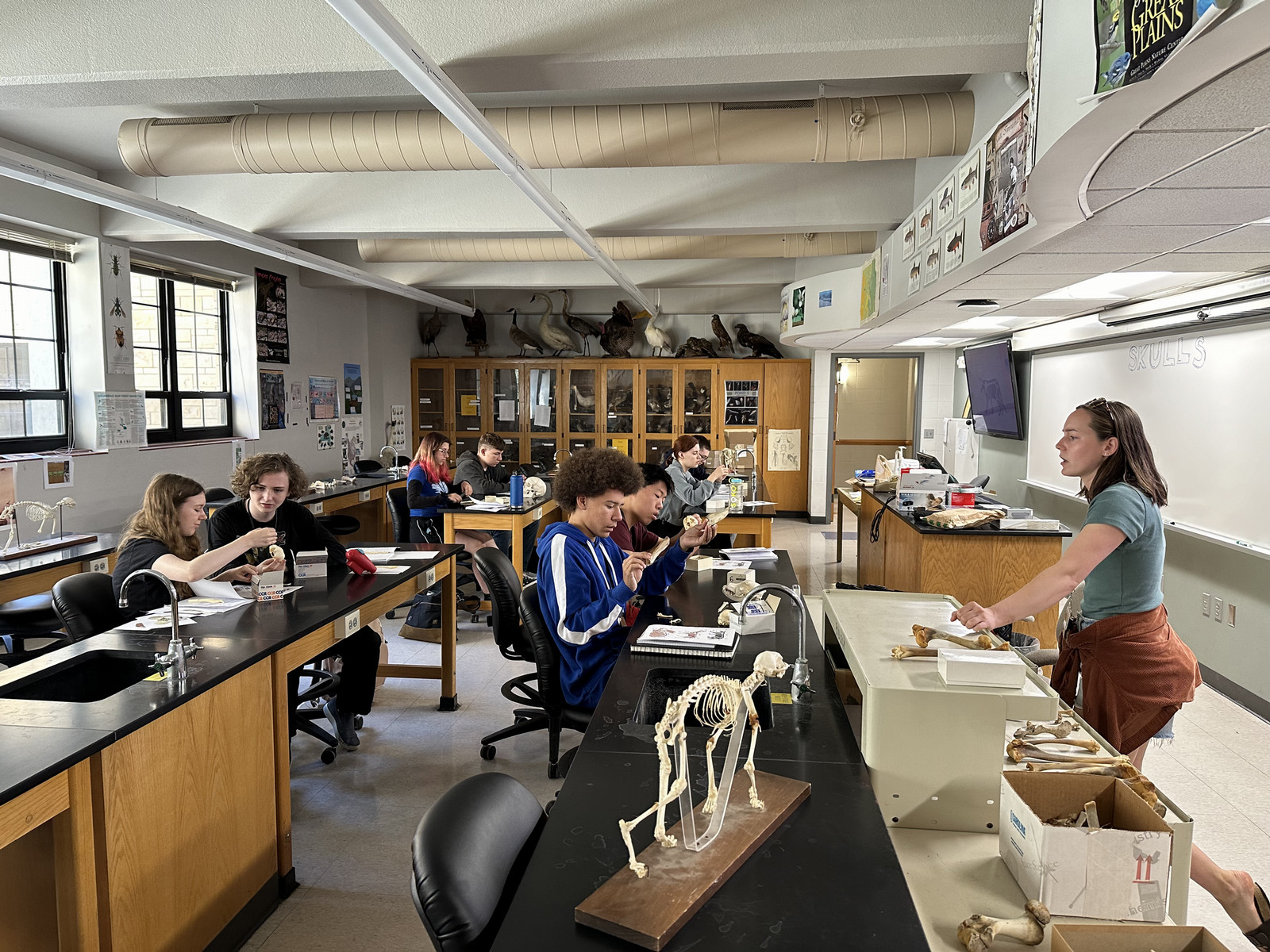
- Our lab programs offer a wide range of experiences and skill-development opportunities for students interested in pursuing life and/or earth science subjects in college. Our goal is to provide our participants with rich, engaging, fun spaces to learn knew skills and apply new knowledge to college-level projects.
- Museum and research skills are central to these programs, which include fossil preparation methods, digitization and data collection, research methods, and many others. We immensely value students learning a variety of hard and soft skills during their time at camp that will make them better team-members, lab and classroom contributors, and aspiring future professionals.
- While these camps have a big curricular focus on technical content, that shouldn't detract from the fun element of summer camp! Spending time with like-minded peers and our exceptional staff is the most-cited favorite of most student's time at camp in our surveys.
- In the dorms students will have a same-gender roommate. In some cases students may be able to request a room to themselves, but our room allocations are typically limited so we need to know about these requests as early as possible. In rental house situations, students will use a mix of their own beds, cots, and fold-out sofas as needed.
Museum Academy Kansas
- Session 1 dates (this is a standalone 2-week program)
- Start: 6/14/2026
- End: 6/26/2026
- Session 2 dates (this is a standalone 2-week program)
- Start: 7/5/2026
- End: 7/17/2026
- Camp location: FHSU Sternberg Museum, Hays, KS
- Airport: Hays Regional Airport
- Travel guidance for Kansas programs.
- Expected physical exertion level: 1/5
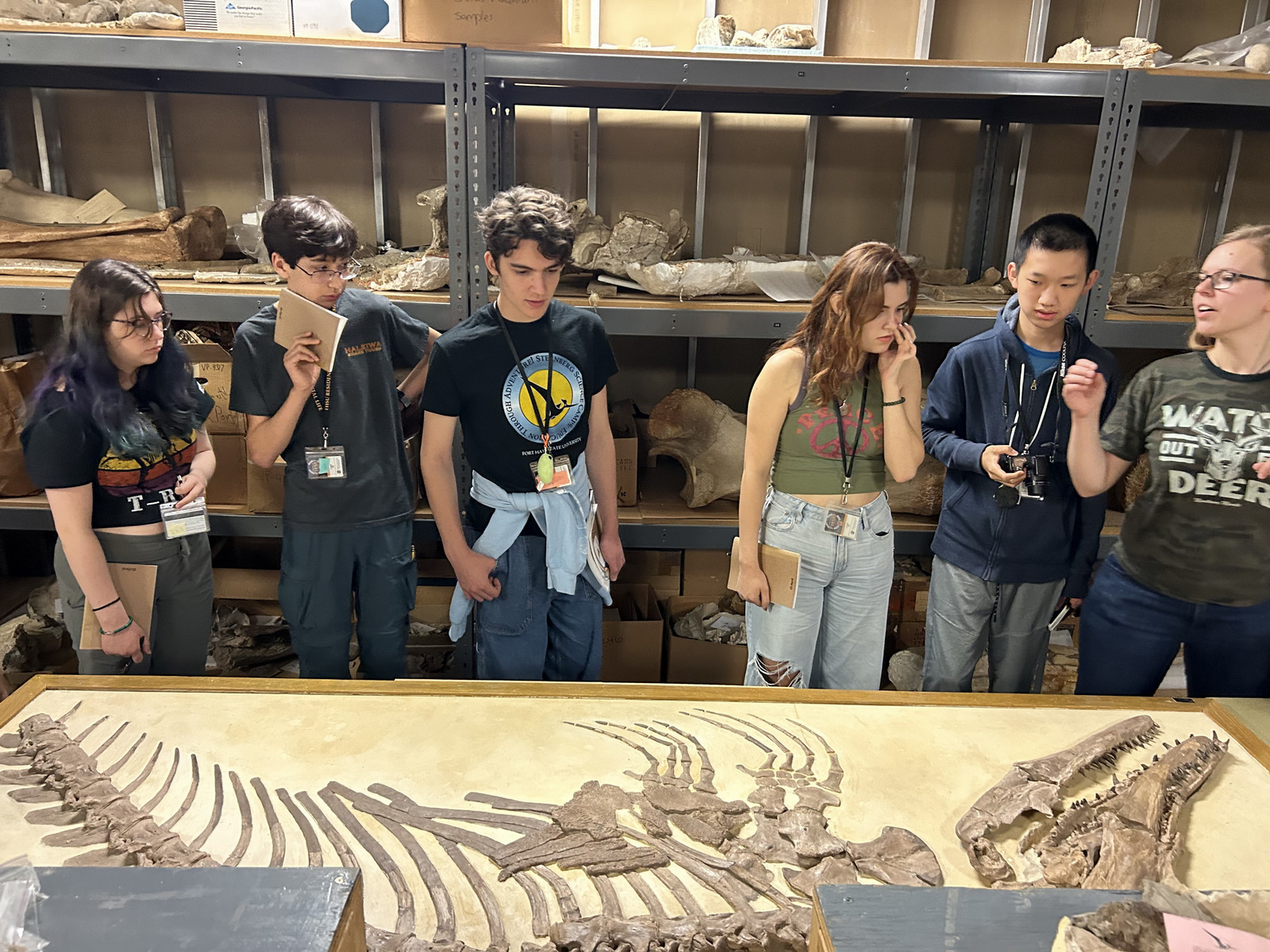
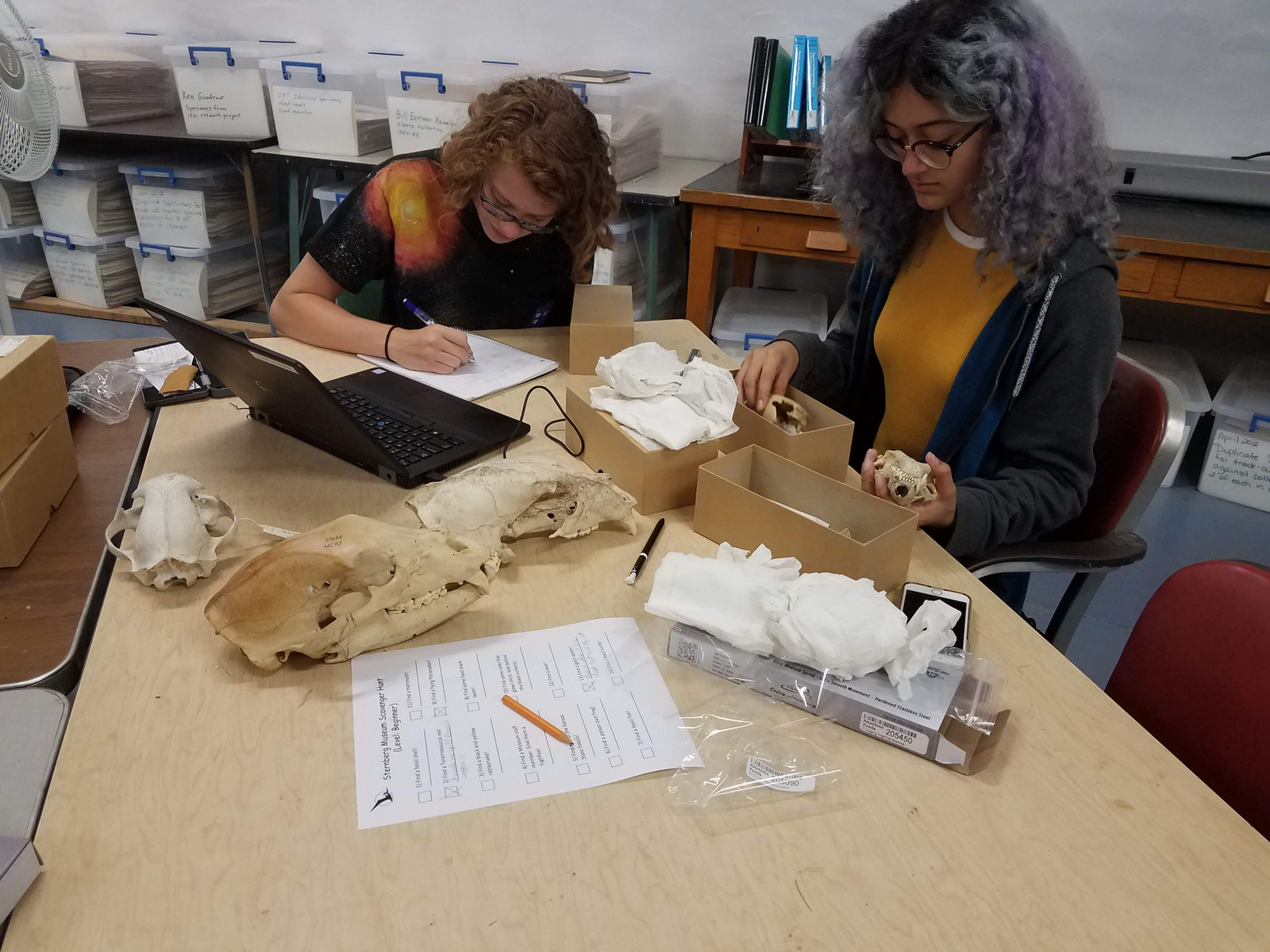
- Description: Museum Academy Kansas invites students to step behind the scenes at the Sternberg Museum of Natural History to explore how cutting-edge paleontological research and fossil collections are transformed into engaging public exhibits. Participants will dive into real scientific literature, deciphering research articles to understand how discoveries about ancient ecosystems, biodiversity, and geologic history move from field notes and lab work into visual storytelling. Students will gain hands-on experience with authentic fossil specimens from the Sternberg collections, learning how museums care for, investigate, and interpret their material. With help from museum staff and guest presenters, the group will examine how scientific accuracy, narrative structure, and scientific artistry come together to create exhibits that inform, inspire, and spark curiosity in visitors of all ages.
Alongside scientific analysis, this camp emphasizes the creative process of communicating paleontology through multimedia arts and graphic design. Students will experiment with digital illustration, layout design, and visual media to build exhibit-style components that showcase fossil specimens, research findings, and ecosystem reconstructions. Workshops will cover principles of public science communication, from audience engagement to the use of color, composition, and storytelling in exhibit panels and digital interactives. By the end of Museum Academy Kansas, participants will have collaborated on their own exhibit concepts rooted in real research and authentic fossils. This blend of scientific, artistic, and communication skills reflect the full process of turning paleontology into an exception museum visitor experience.
- Camp activity highlights:
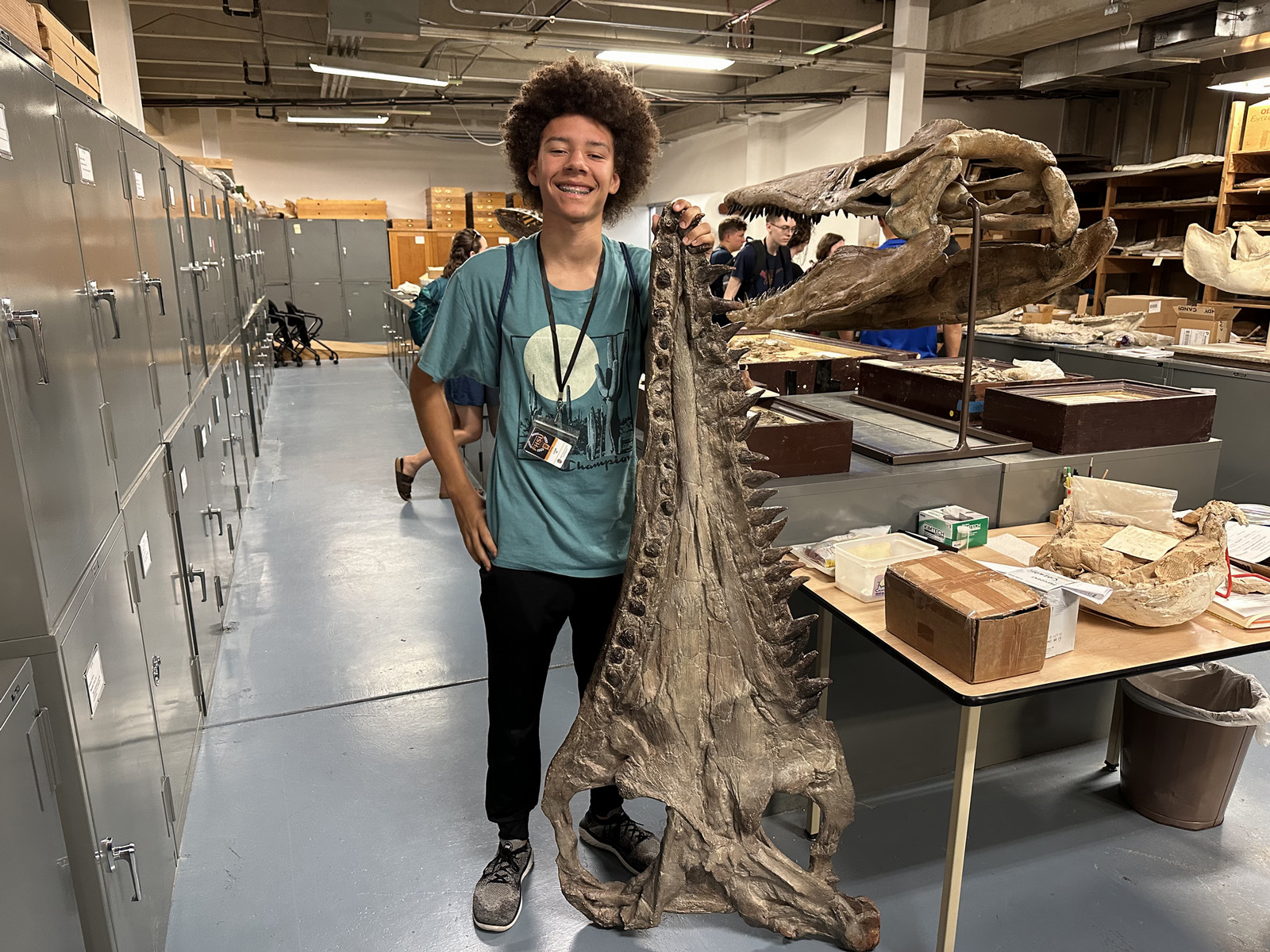
- Behind-the-scenes access to the Sternberg Museum’s fossil collections and research spaces.
- Hands-on work with authentic fossils to learn museum care, analysis, and interpretation.
- Reading and decoding real paleontology research papers to understand scientific discovery.
- Workshops on transforming scientific data into accurate and engaging exhibit narratives.
- Training in digital illustration, layout design, and visual storytelling for museum exhibits.
- Practice building exhibit-style components featuring fossils, research findings, and ecosystems.
- Lessons on public science communication, including audience engagement and design principles.
- Collaborative creation of original exhibit concepts rooted in real fossils and current research.
- Registration fee: $4,555
- Scholarships are available! For more information, please visit our Scholarships page.
- Fee covers:
- Meals Accommodations
- Transportation during camp
- Group equipment
- Materials for activities
- Fee does not cover:
- Flights to and from camp location
- Personal gear including clothing and toiletries (see the packing list linked above for more details)
- Accommodations before the camp begins and after the camp ends
- Food before the camp begins and after the camp ends
- Travel guidance: There are at most two flights a day at the Hays regional airport via the Denver International Airport. We recommend participants of our Kansas camps arrive the Saturday night before camp starts. Students who choose this option will be picked up by Camps staff and taken to the FHSU dorms for the night before starting their camp the next morning. We will provide transport from the FHSU dorms to the Sternberg Museum to meet the rest of their group. We do charge $50 a night for dorms use and pre-camp transport, which is placed as a fee on the participant's CampDoc account.
Fossil Prep Methods North Dakota
- Session 1 dates (this is a standalone 1-week program)
- Start: 7/12/2026
- End: 7/17/2026
- Session 2 dates (this is a standalone 1-week program)
- Start: 7/19/2026
- End: 7/24/2026
- Camp location: Pioneer Trails Regional Museum in Bowman, North Dakota
- Airport: Bismark Airport (BIS)
- Travel guidance for North Dakota programs.
- Expected physical exertion level: 1/5
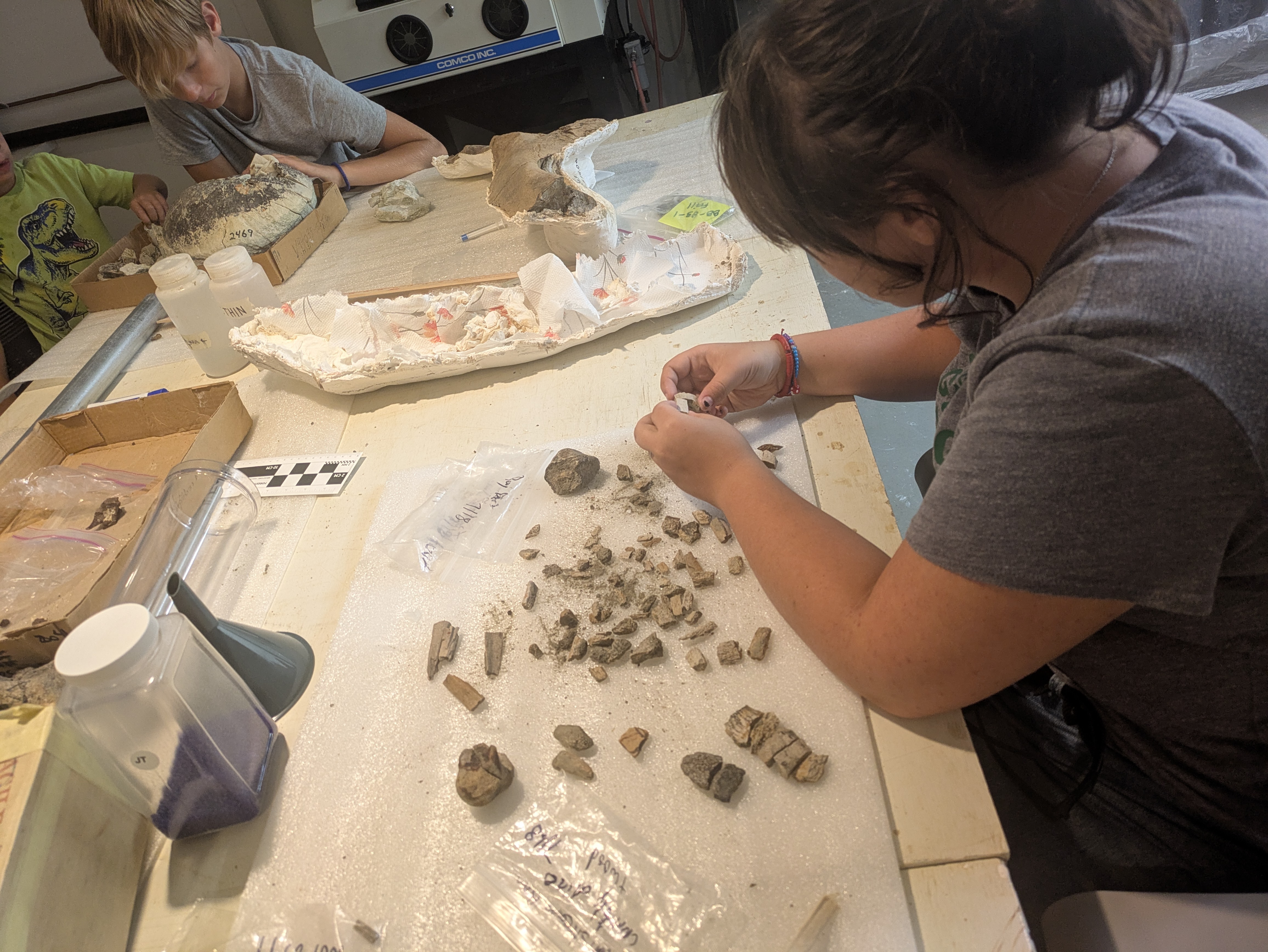
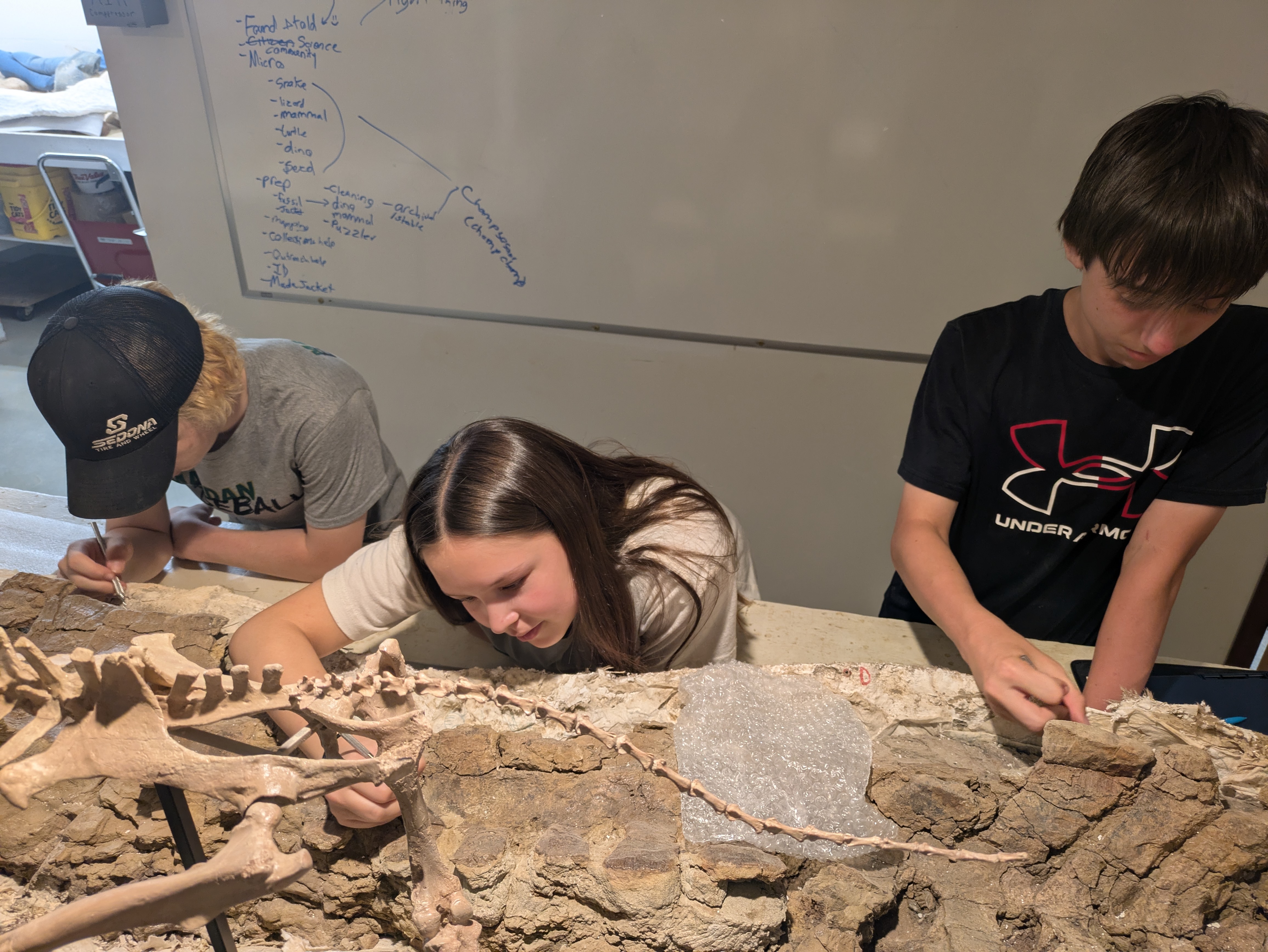
- Description: Preparation Methods North Dakota introduces high school students to the fundamentals of professional fossil preparation and collections care, set against the fossil record of the Hell Creek region. This six-day program takes place at the Pioneer Trails Regional Museum in Bowman, North Dakota, where students will work with instructor Dr. Emily Simpson to uncover how fossils move from discovery to museum display and research. This camp blends hands-on technical skill-building with a deeper understanding of the science that drives paleontological work. Participants will prepare real dinosaur fossils from the Hell Creek Formation under magnification, master the use of tools such as airscribes and dental picks, and learn about the specialized glues, consolidants, and safety practices essential to fossil conservation. Students will also clean and prepare their own fossil fish, experiment with fossil casting, and use scanning and 3D-printing technologies to explore how digital modeling transforms modern paleontology research and education.
In addition to technical skill-building, students will gain insight into the behind-the-scenes operations that keep museum collections safe for decades to come. Campers will create archival-quality fossil housing and learn how preparators stabilize specimens for long-term storage and study. Evenings include group discussions on academic pathways, research involvement, and careers in paleontology. Students and staff will stay in a modern barn remodeled into an AirBnB-style living space, complete with beds, a kitchen, air conditioning, running water, and showers, providing a comfortable base for an immersive and skill-rich learning experience.
- Camp activity highlights:
- Hands-on fossil preparation using airscribes, dental picks, and magnification to uncover Hell Creek specimens.
- Cleaning, stabilizing, and conserving fossil fish and dinosaur fossils for long-term museum storage.
- Experimenting with fossil casting, scanning, and 3D-printing technologies to explore digital paleontology methods.
- Creating archival-quality housing and stability cradles for research collections.
- Behind-the-scenes insights into museum operations, research collections, and paleontology careers.
- Evening discussions on academic pathways and professional involvement in paleontology, while living on-site in a remodeled barn."
- Registration fee:$2,643
- Scholarships are available! For more information, please visit our Scholarships page.
- Fee covers:
- Meals Accommodations
- Transportation during camp
- Group equipment
- Materials for activities
- Fee does not cover:
- Flights to and from camp location
- Personal gear including clothing and toiletries (see the packing list linked above for more details)
- Accommodations before the camp begins and after the camp ends
- Food before the camp begins and after the camp ends
Fossil Prep Methods Kansas
- Session 1 dates (this is a standalone 2-week program)
- Start: 6/14/2026
- End: 6/26/2026
- Session 2 dates (this is a standalone 2-week program)
- Start: 7/5/2026
- End: 7/17/2026
- Camp location: FHSU Sternberg Museum, Hays, KS
- Airport: Hays Regional Airport
- Travel guidance for Kansas programs.
- Expected physical exertion level: 2/5
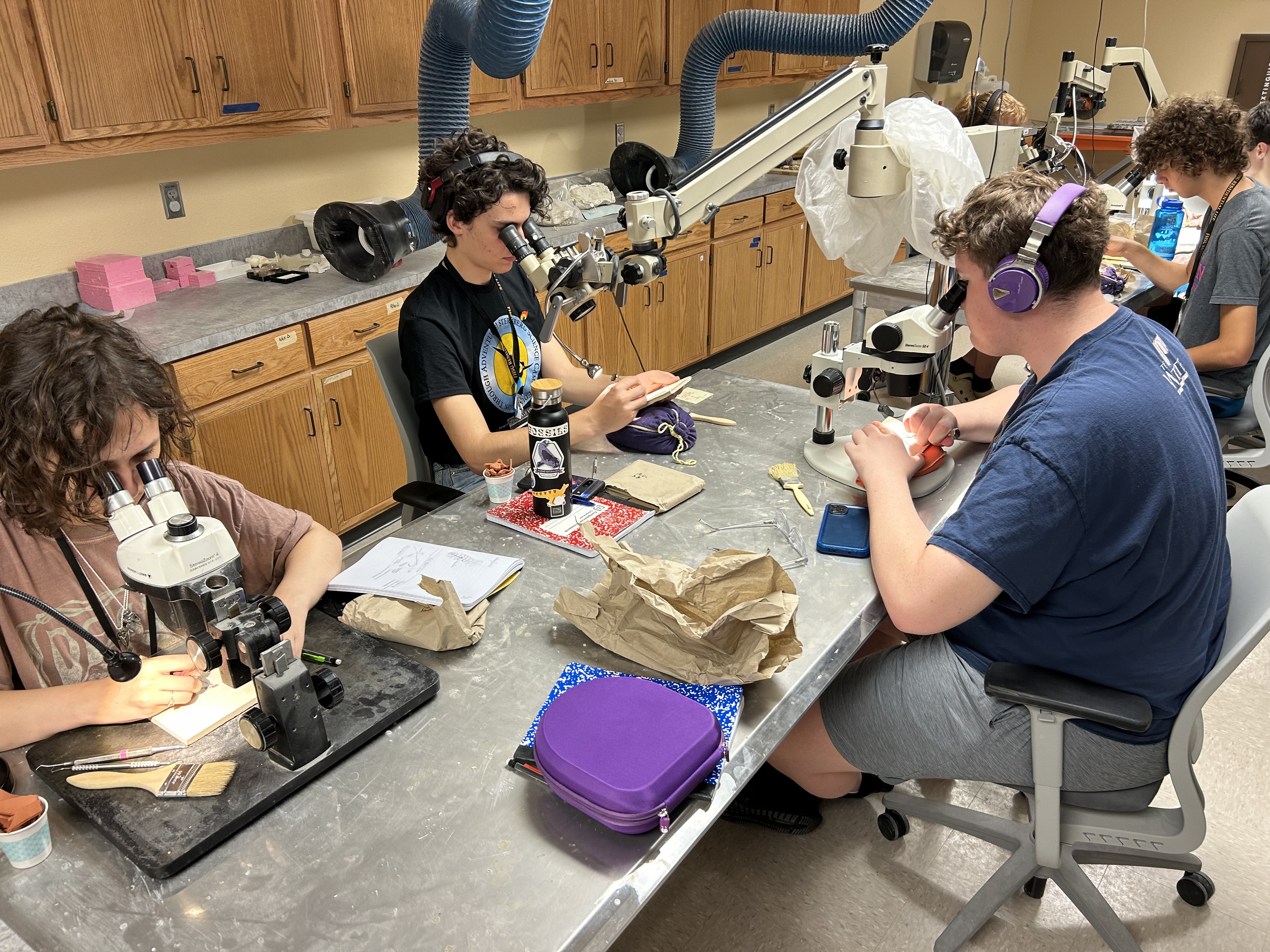
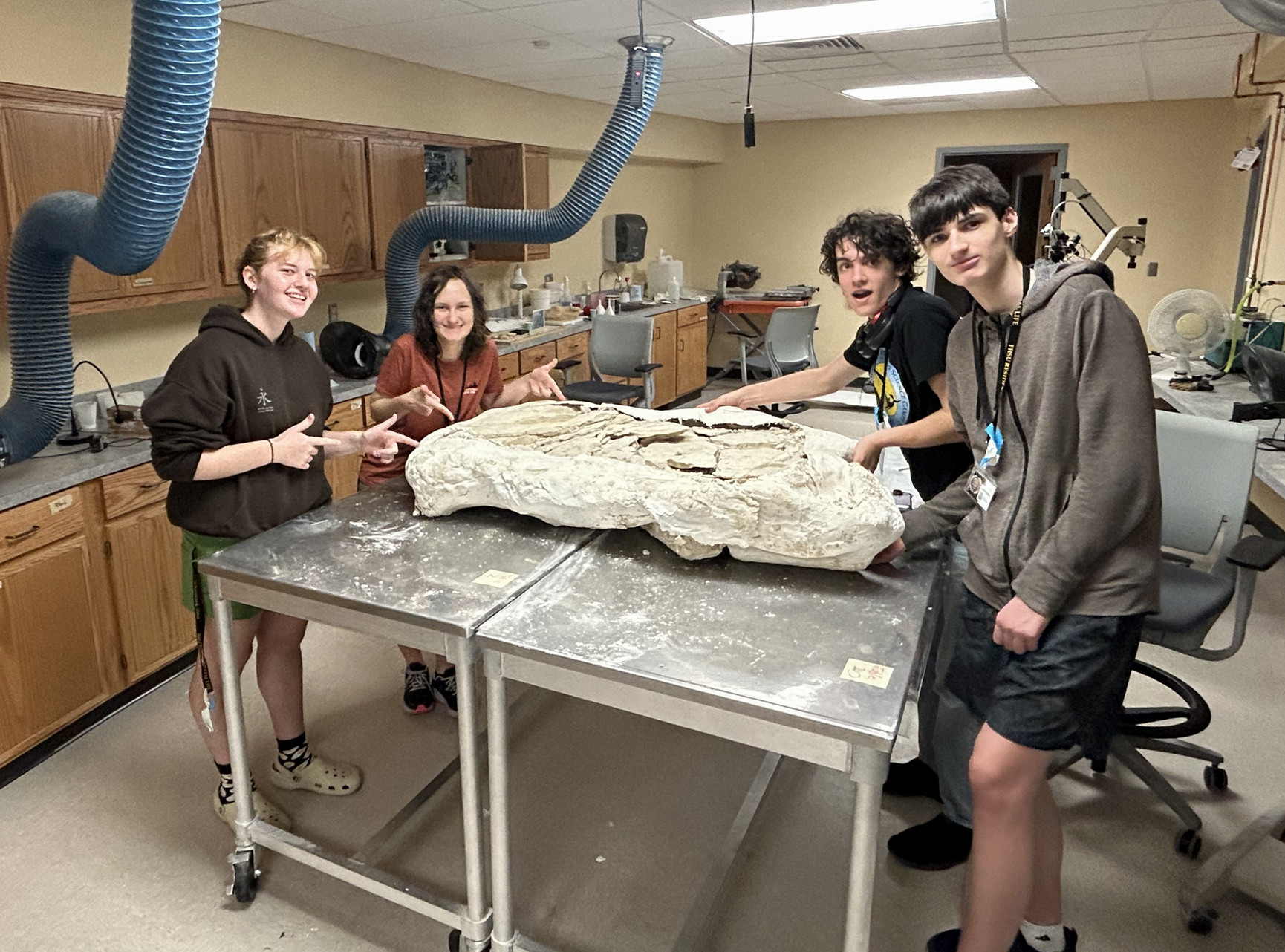
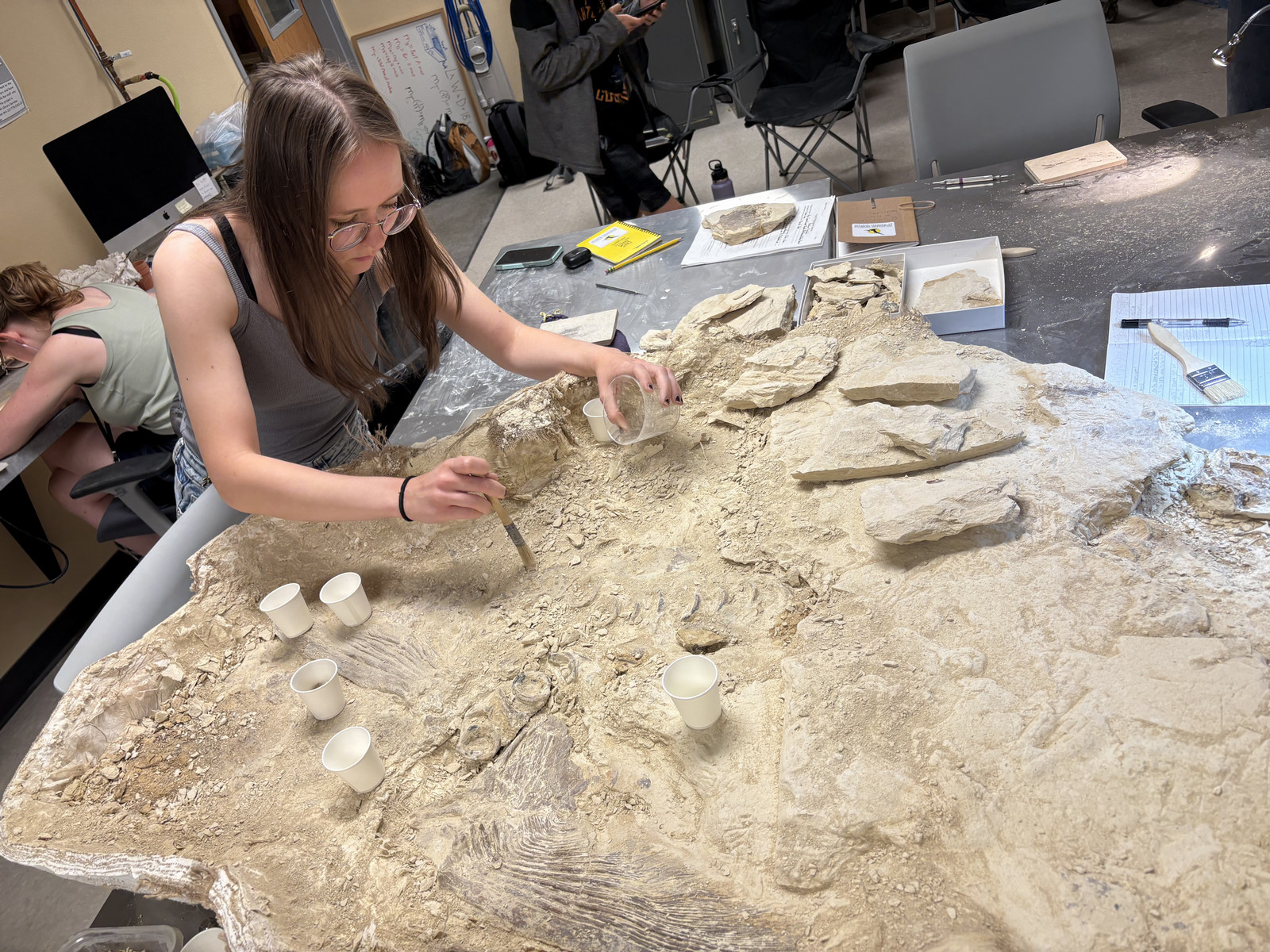
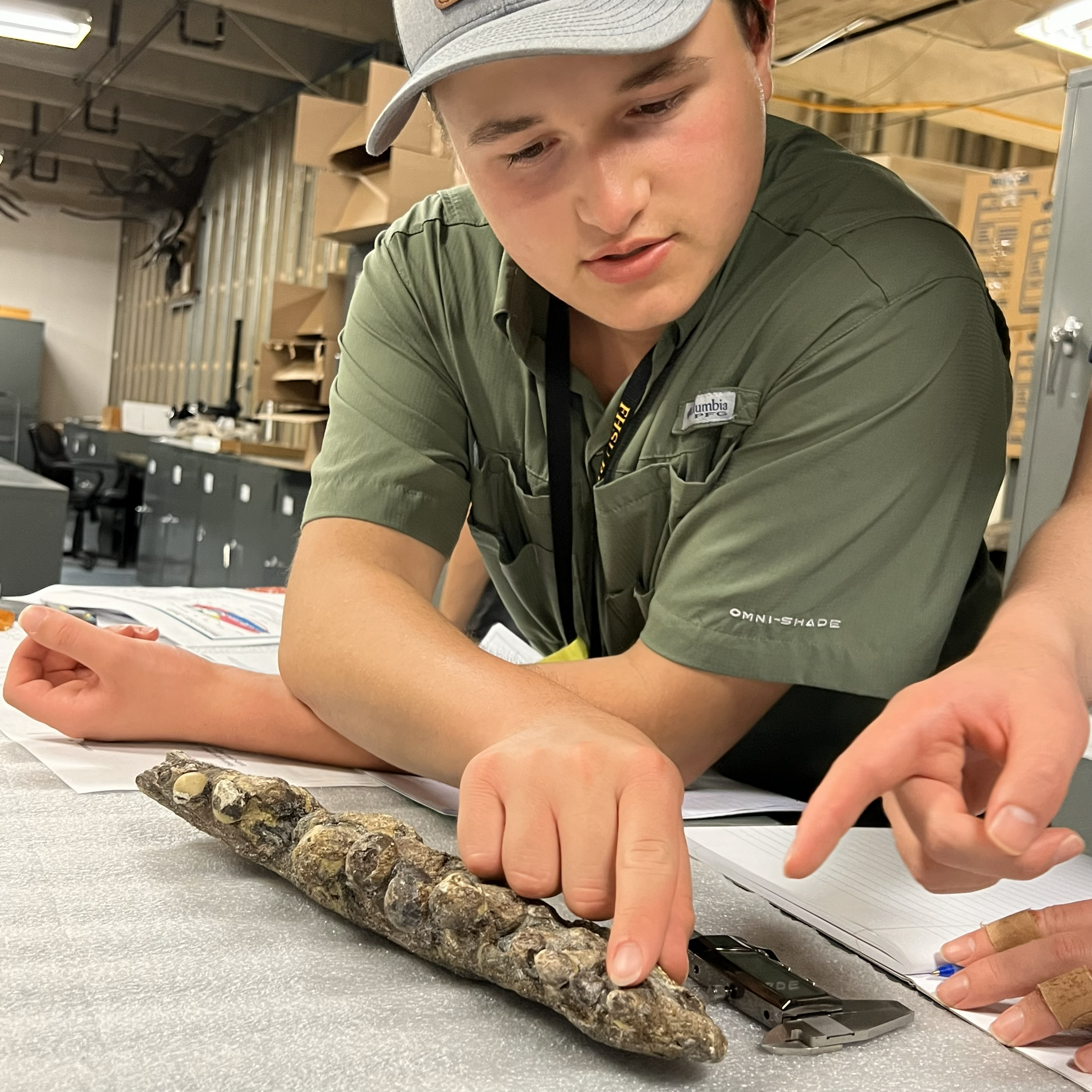
- Description: Students will be introduced to a wide variety of professional tools and methods used to clean and stabilize fossils in the Sternberg Museum’s fossil prep lab facility. Emphasis is placed on practicing the cleaning, reassembly, and protection techniques for fossil material. Removing the rock surrounding fossil material, using combinations of small dental tools, airscribes, and pin tools is just the start. Preparators must also be experts with various glues and adhesives for reconstructing and reinforcing the fossils. All the work done in the fossil prep lab is extremely important to the science and work done on any collected fossil specimen. In week one students will focus on essentials of tools, techniques, and lab safety policies as they begin work on their first fossil preparation projects. In week two the students will move to larger fossil specimen projects to apply their new skills upon. In past years students have worked on large jacketed fossils such as mosasaurs, large fish, and mammal material of varying sizes.
This is a dorms-based camp, with students and staff staying in the Fort Hays State University dormitories and eating in the FHSU dining hall as a group.
- Camp activity highlights:
- Hands-on training with professional fossil preparation tools including airscribes, pin tools, and dental tools.
- Practicing cleaning, stabilizing, and reassembling real fossil specimens in the Sternberg prep lab.
- Learning and applying essential lab safety protocols during fossil preparation work.
- Beginning with small fossil projects before advancing to larger, more complex specimens
Working on jacketed fossils such as mosasaurs, large fish, and mammal material. - Training with adhesives and consolidants used to strengthen and reconstruct fossil material
Project-based skill building focused on producing museum-quality prepared fossils.
- Registration fee: $4,212
- Scholarships are available! For more information, please visit our Scholarships page.
- Fee covers:
- Meals Accommodations
- Transportation during camp
- Group equipment
- Materials for activities
- Fee does not cover:
- Flights to and from camp location
- Personal gear including clothing and toiletries (see the packing list linked above for more details)
- Accommodations before the camp begins and after the camp ends
- Food before the camp begins and after the camp ends
- Travel guidance: There are at most two flights a day at the Hays regional airport via the Denver International Airport. We recommend participants of our Kansas camps arrive the Saturday night before camp starts. Students who choose this option will be picked up by Camps staff and taken to the FHSU dorms for the night before starting their camp the next morning. We will provide transport from the FHSU dorms to the Sternberg Museum to meet the rest of their group. We do charge $50 a night for dorms use and pre-camp transport, which is placed as a fee on the participant's CampDoc account.
Fossil Prep Methods South Dakota
- Session 1 dates (this is a standalone 2-week program)
- Start: 6/21/2026
- End: 7/3/2026
- Session 2 dates (this is a standalone 2-week program)
- Start: 7/12/2026
- End: 7/24/2026
- Camp location: South Dakota School of Mines Museum of Geology, Rapid CIty, SD
- Airport: Rapid City Airport
- Travel guidance for South Dakota programs.
- Expected physical exertion level: 2/5
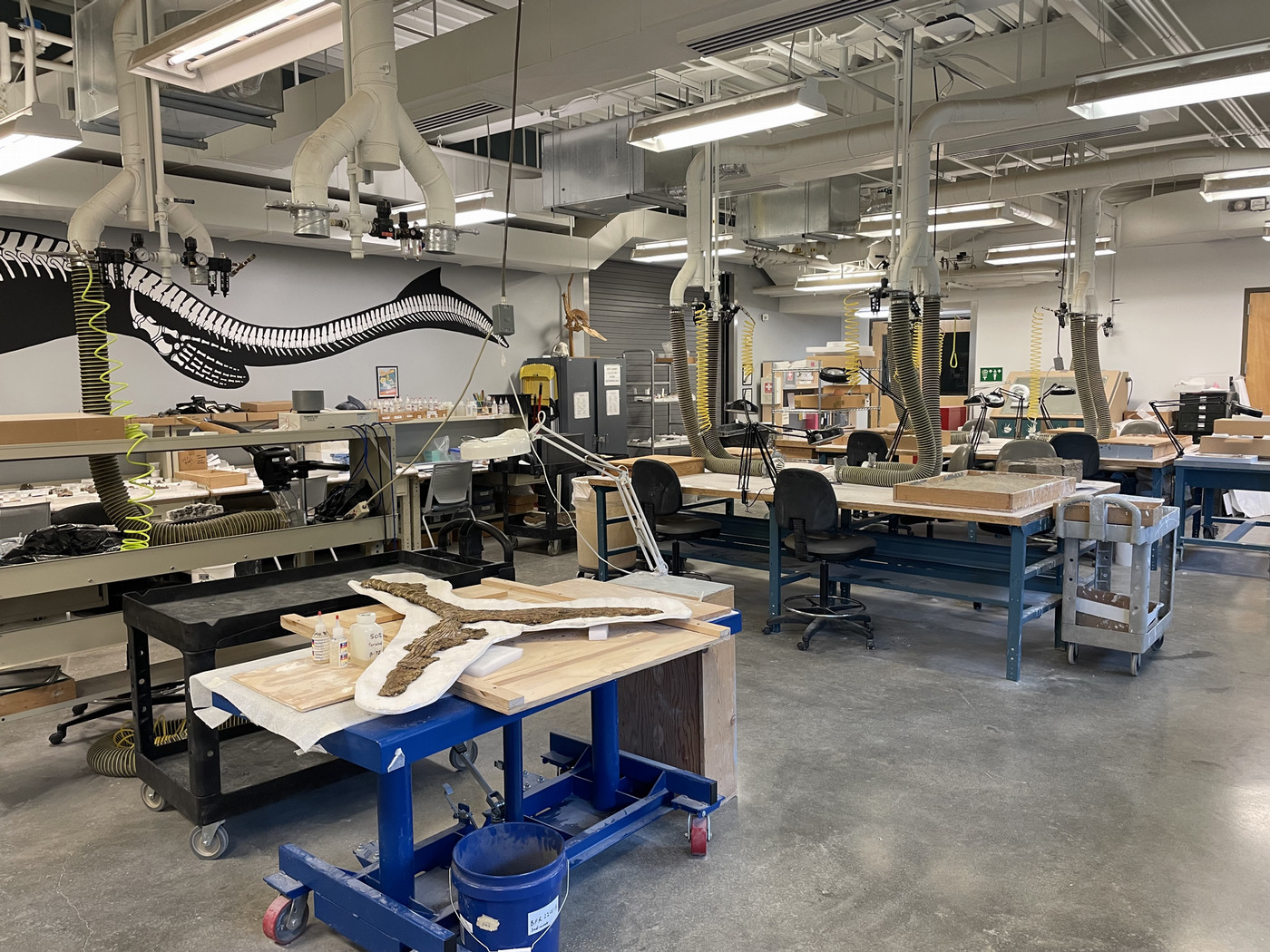
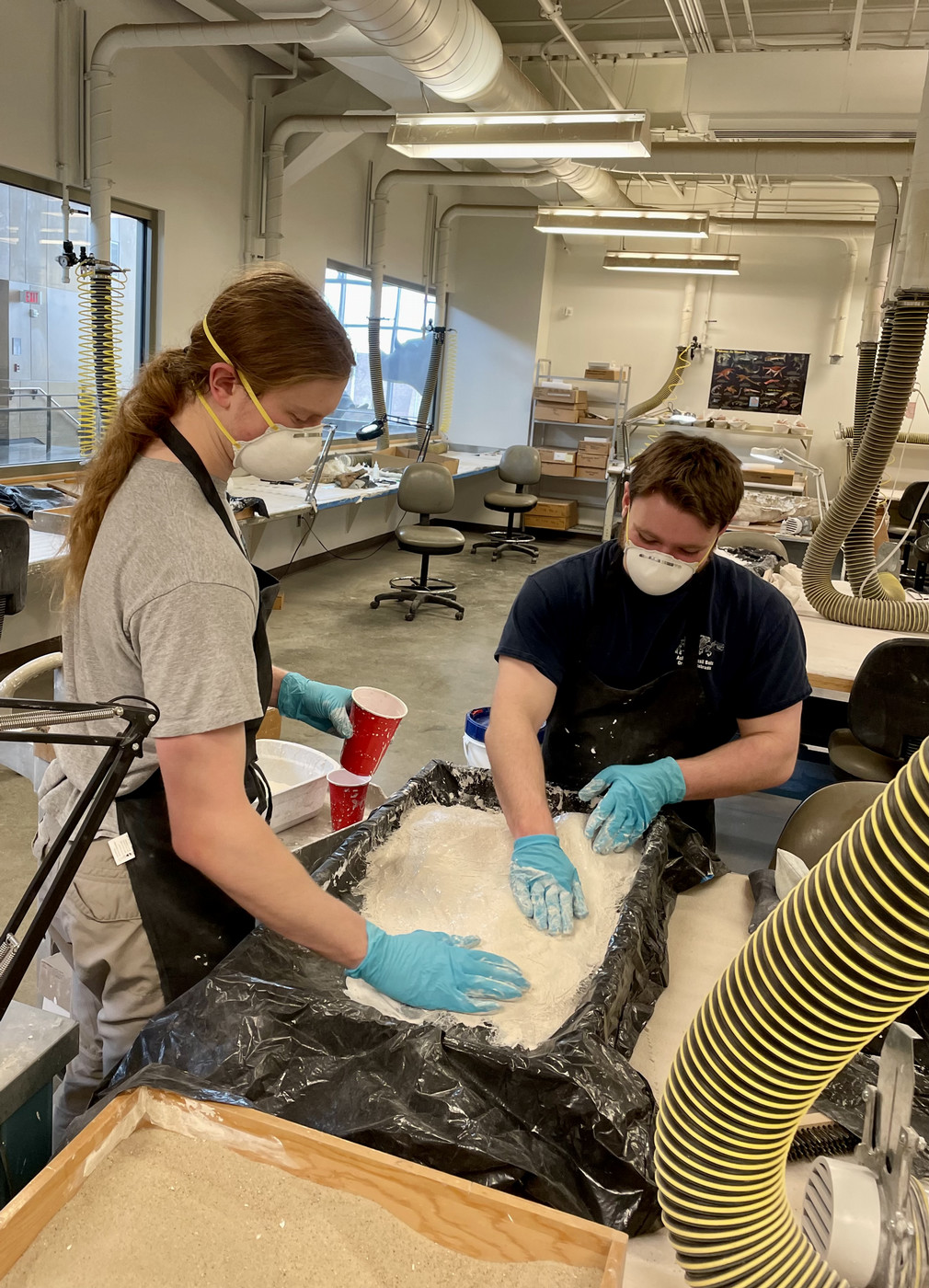
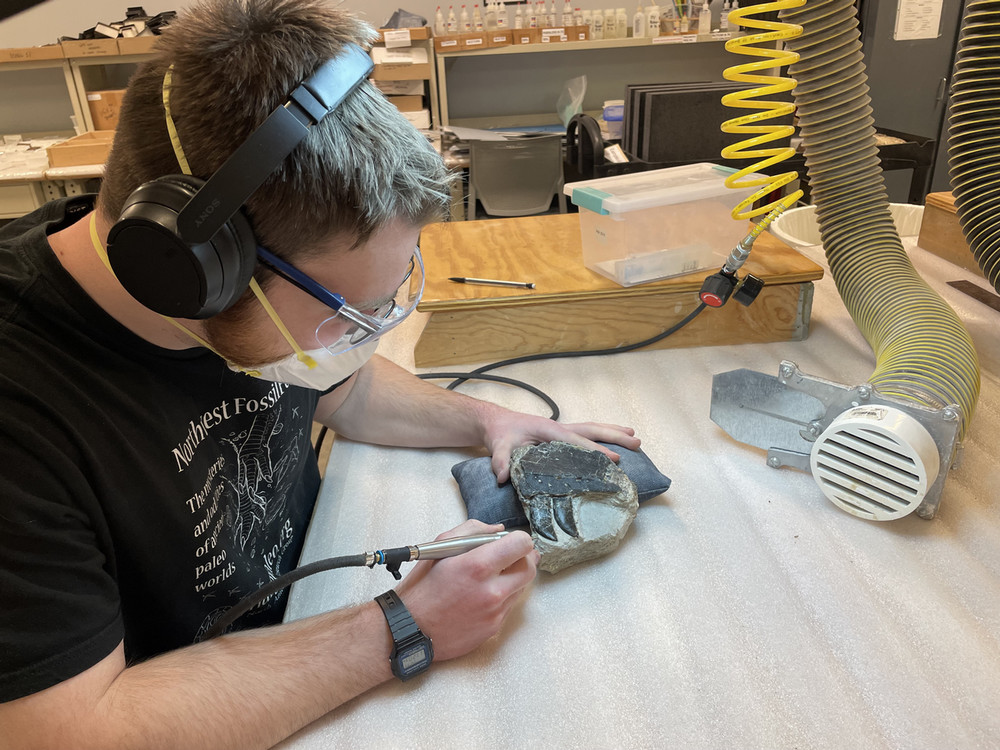
- Description: The Museum of Geology at South Dakota School of Mines and Technology will be hosting a fossil preparation summer camp. The camp will be led by the museum’s Fossil Preparator and Lab Manager, Sam Wright, and will take place in the state-of-the-art Foster Preparation Lab. The Museum of Geology has a large collection (~500,000) of fossils from South Dakota and surrounding states ranging across a large portion of geological time. The fossils in our collection include those from the Ice Age (Pleistocene), White River Badlands, Cretaceous Western Interior Seaway, and Cretaceous and Jurassic Terrestrial deposits which include dinosaurs. Students attending this camp will get hands-on experience with fossil preparation including use of hand tools such as pin vices and dental tools, and pneumatic tools such as air scribes and air abrasion units. The camp will also include learning about and using consolidants and adhesives to repair and stabilize fossils. Making storage containers or “housing” for fossils is a big part of what we do for the specimens in our care at the Museum of Geology, so students will learn the standard practices of making cavity mounts and archival jackets for fossils being stored in collections.
- Camp activity highlights:
- Hands-on fossil preparation using professional hand tools (pin vices, dental tools) and pneumatic tools such as air scribes and air abrasion units.
- Learning industry-standard techniques for repairing and stabilizing fossils with consolidants and adhesives.
- Working inside the state-of-the-art Foster Preparation Lab with guidance from Fossil Preparator and Lab Manager Sam Wright.
- Exploring a major fossil collection (~500,000 specimens) spanning Ice Age mammals, Badlands fauna, marine reptiles, and dinosaurs.
Building archival-quality storage solutions, including cavity mounts and custom jackets for long-term specimen care. - Developing practical skills in museum collections stewardship central to real research and conservation workflows.
- Registration fee: $5,286
- Scholarships are available! For more information, please visit our Scholarships page.
- Fee covers:
- Meals Accommodations
- Transportation during camp
- Group equipment
- Materials for activities
- Fee does not cover:
- Flights to and from camp location
- Personal gear including clothing and toiletries (see the packing list linked above for more details)
- Accommodations before the camp begins and after the camp ends
- Food before the camp begins and after the camp ends
Research Academy Missouri
- Start date: July 12, 2026
- End date: July 24, 2026
- Camp location: University of Missouri, Columbia, MO
- Airport: Columbia Regional Airport
- Travel guidance for Missouri programs.
- Expected physical exertion level: 2/5
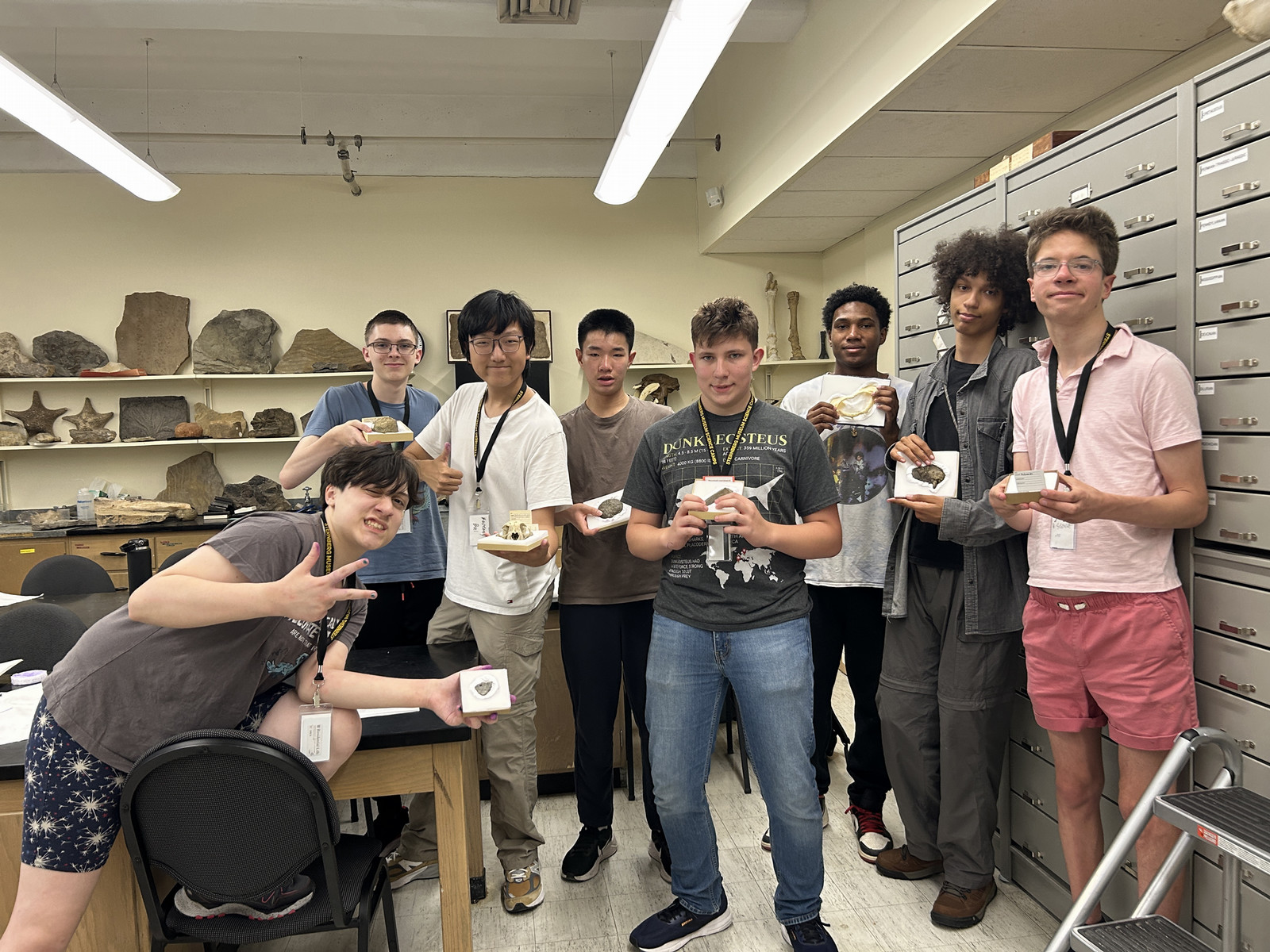
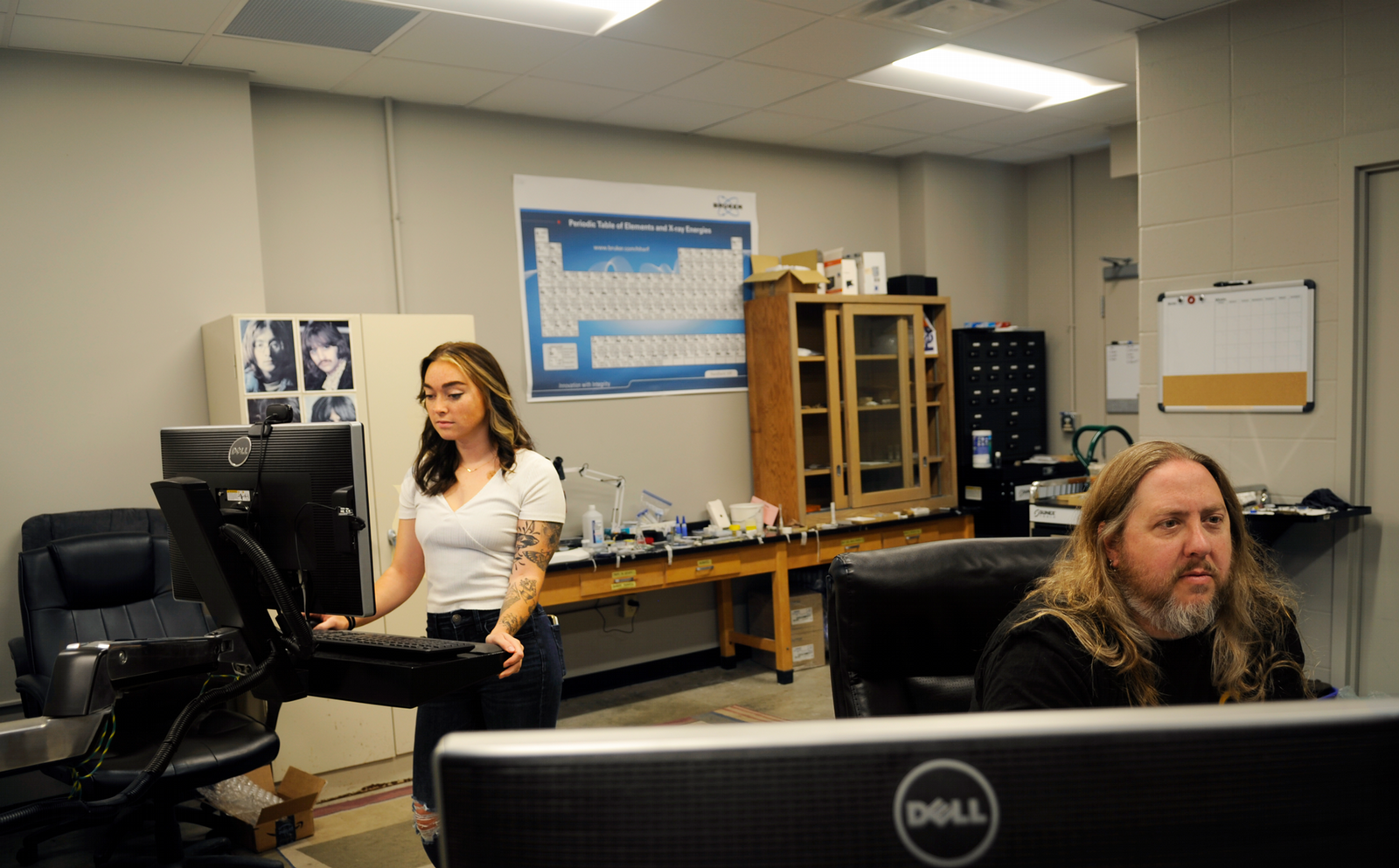
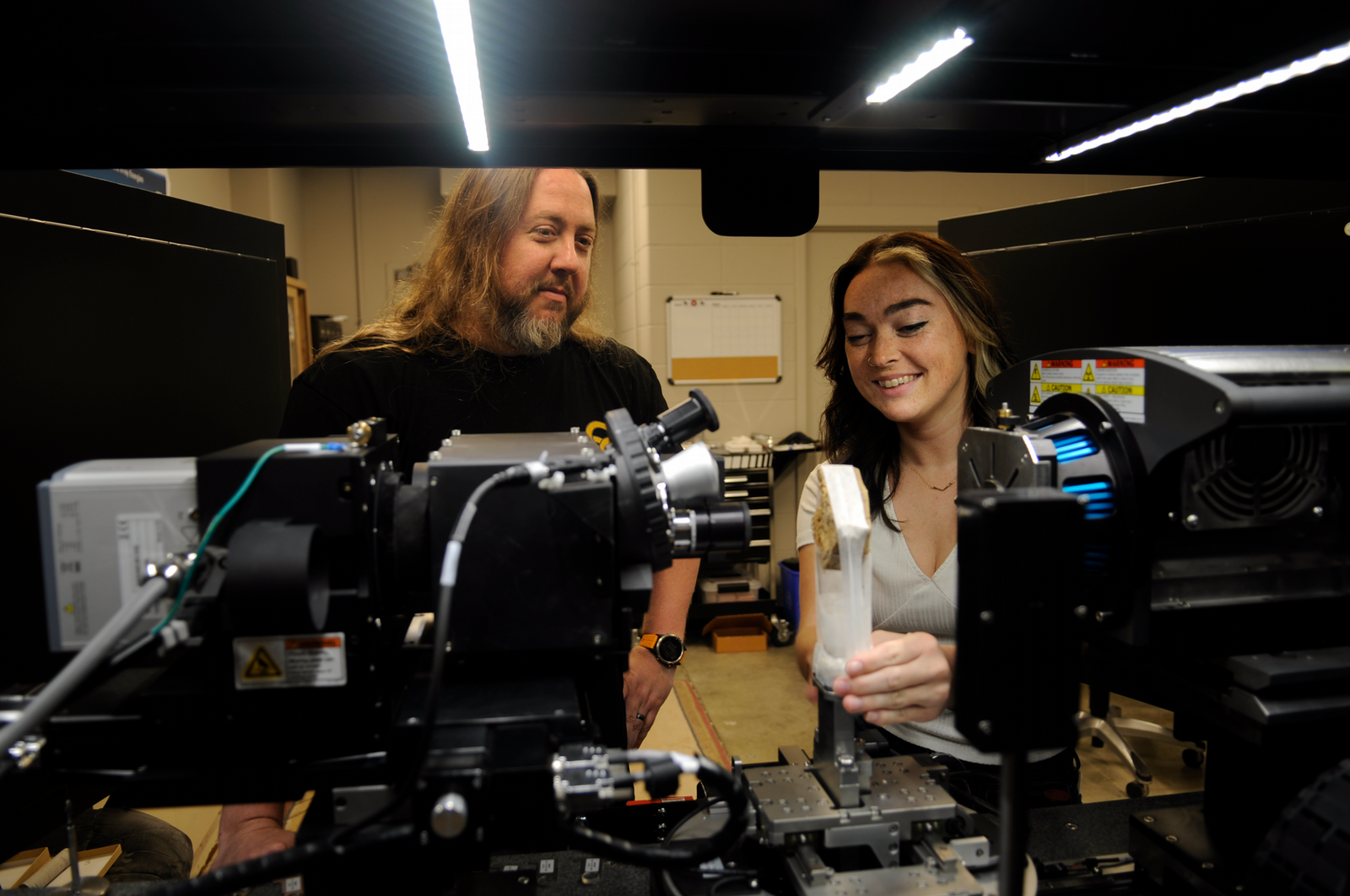
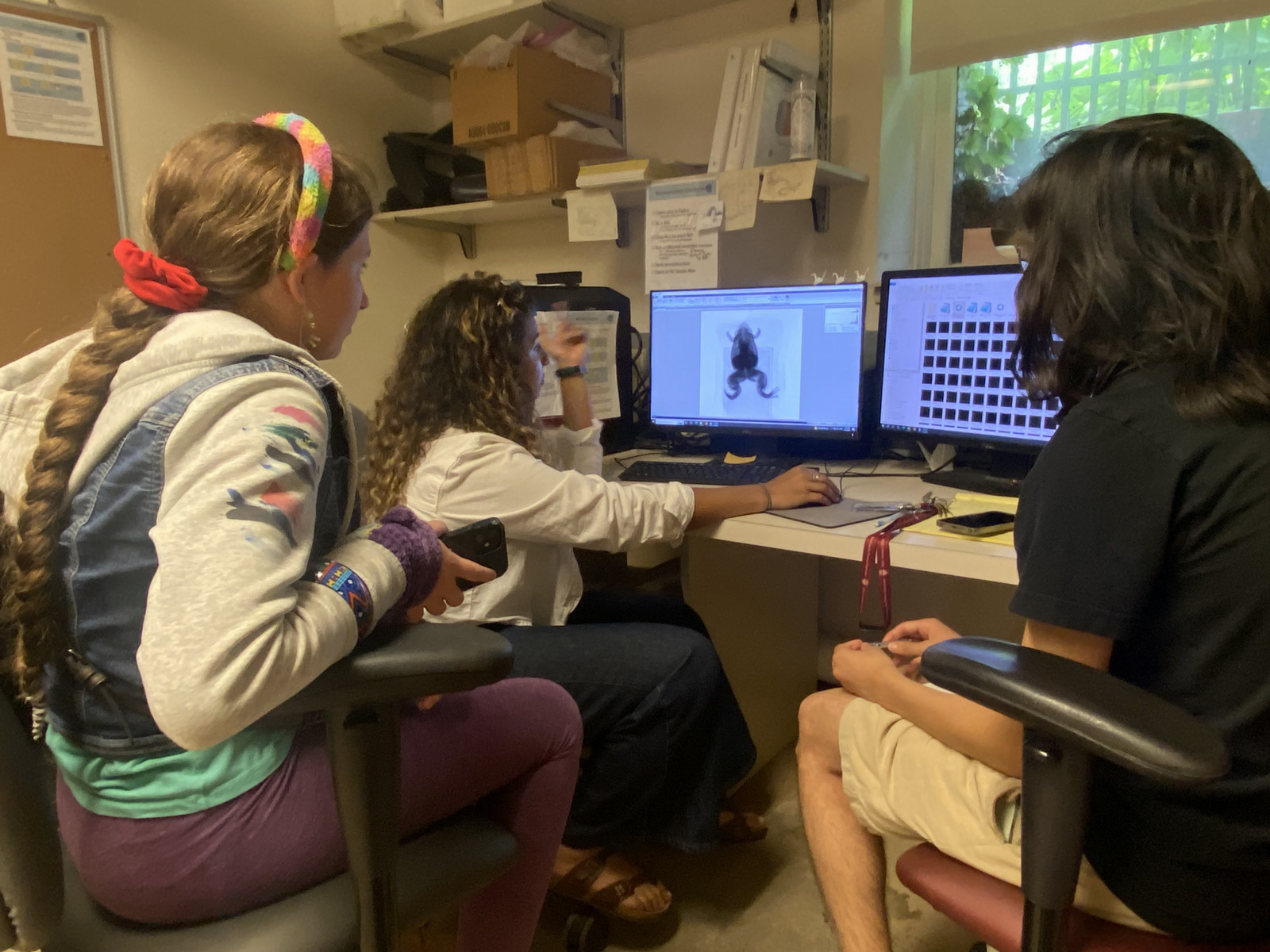
- Description: Research Academy Missouri immerses high school students in the rapidly advancing field of digital paleontology, where cutting-edge imaging tools are transforming how scientists study the fossil record. Over two intensive weeks, participants work hands-on with CT scanning equipment and computer-based segmentation software to investigate real research specimens from faculty collections. Students learn how technologies such as CT, synchrotron radiation, and X-ray fluorescence scanning allow researchers to ask new biological and evolutionary questions not possible with traditional methods. This includes revealing internal structures and preserved soft tissues of fossils that cannot be observed through traditional methods. Research Academy Missouri blends authentic scientific practice with structured learning: students read and discuss current research, meet with working scientists to explore academic pathways, and collaborate on inquiry-driven projects rooted in published paleontological research. Expert-led discussions help students connect their research experiences with academic pathways in science, echoing the Sternberg’s tradition of preparing young scholars for success in college STEM programs.
Collaborative inquiry-based projects are at the heart of the program. Students work in teams with staff to craft approachable research questions, applying CT-based techniques to fossils that pose unsolved problems in ecology, organismal evolution and paleobiology. Days are structured around active-learning lessons, peer discussion, and iterative analysis, with mentorship that supports students as they learn advanced methods typically reserved for university-level research. By the end of the Research Academy Missouri, students will have gained a strong foundation in emerging analytical methods used for digital paleobiology, a clearer understanding of potential academic paths, and valuable experience collaborating on research questions that contribute to our evolving picture of life’s history.
- Camp activity highlights:
- Hands-on experience with CT scanning, synchrotron, and X-ray fluorescence techniques to study real fossils.
- Investigating internal structures and preserved soft tissues of fossils not visible through traditional methods.
- Collaborative, inquiry-driven projects applying digital methods to unresolved questions in paleobiology.
- Mentorship and discussions with professional scientists exploring academic and STEM career pathways.
- Structured active-learning lessons with peer discussion and iterative analysis of fossil data.
- Exposure to current paleontological research and techniques used in university-level digital paleobiology.
- Registration fee: $4,794
- Scholarships are available! For more information, please visit our Scholarships page.
- Fee covers:
- Meals Accommodations
- Transportation during camp
- Group equipment
- Materials for activities
- Fee does not cover:
- Flights to and from camp location
- Personal gear including clothing and toiletries (see the packing list linked above for more details)
- Accommodations before the camp begins and after the camp ends
- Food before the camp begins and after the camp ends
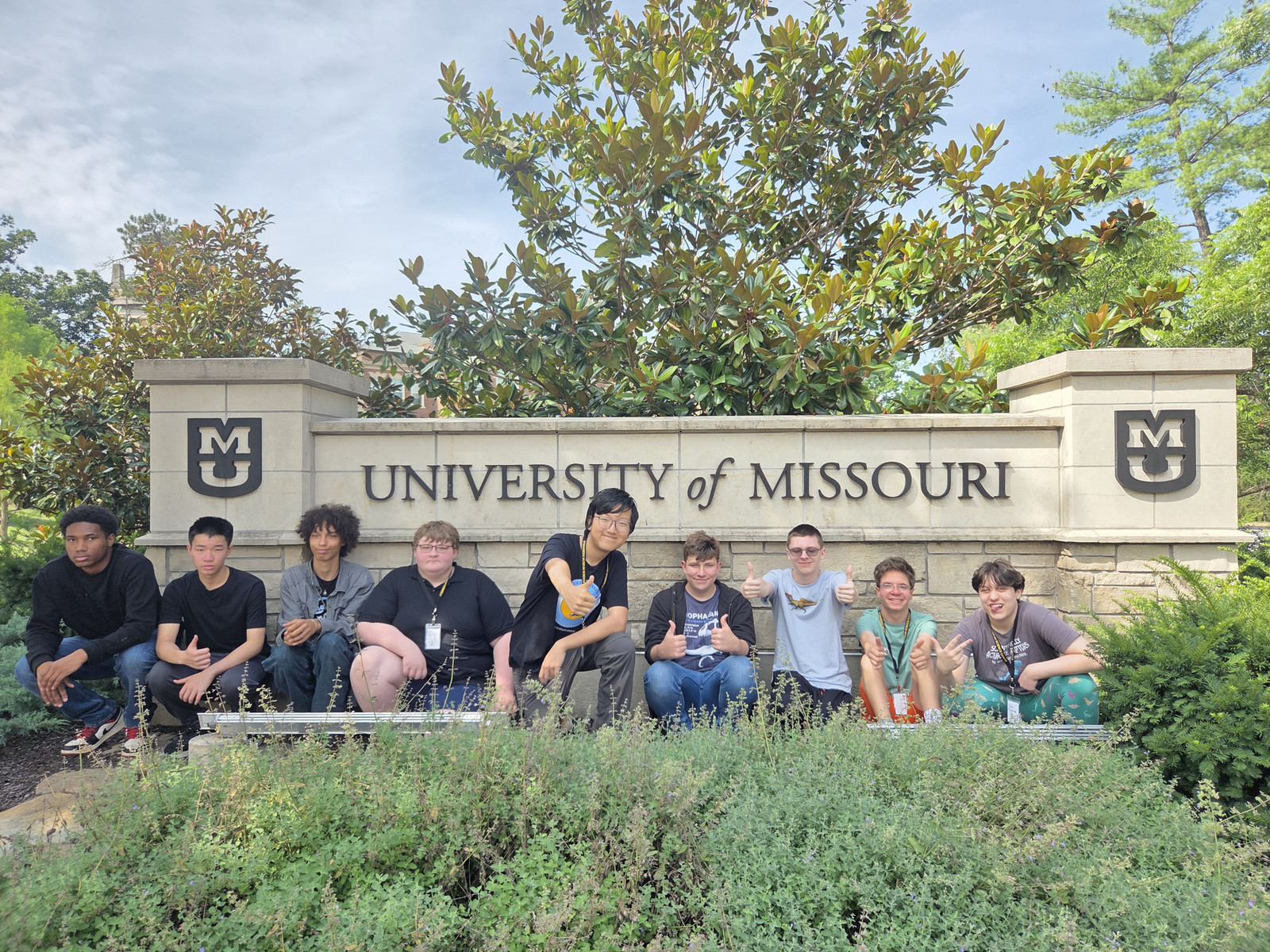
Museum Academy Missouri
- Start date: 6/21/2026
- End date: 7/3/2026
- Camp location: University of Missouri, Columbia, MO
- Airport: Columbia Regional Airport
- Travel guidance for Missouri programs.
- Expected physical exertion level: 2/5
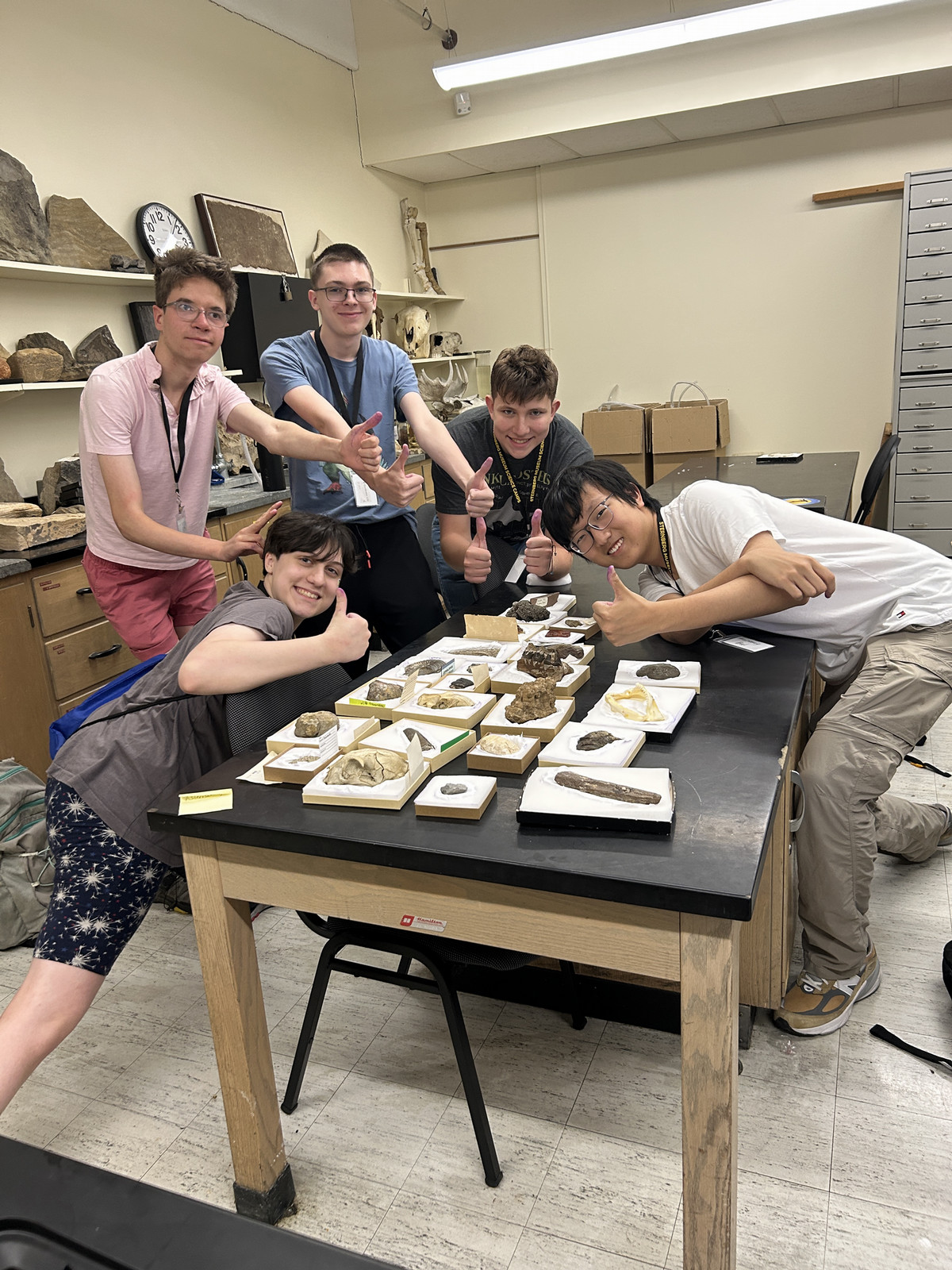
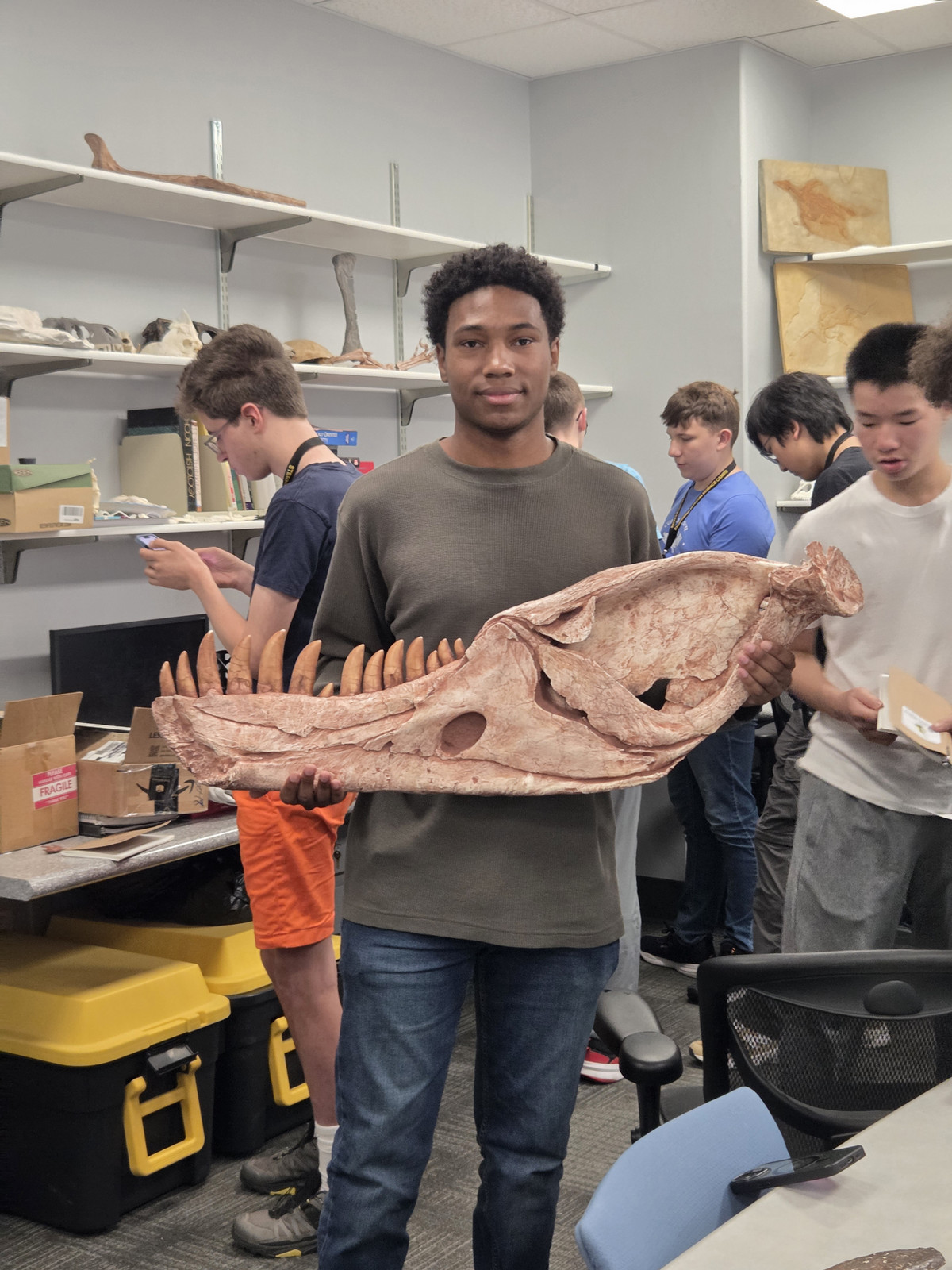
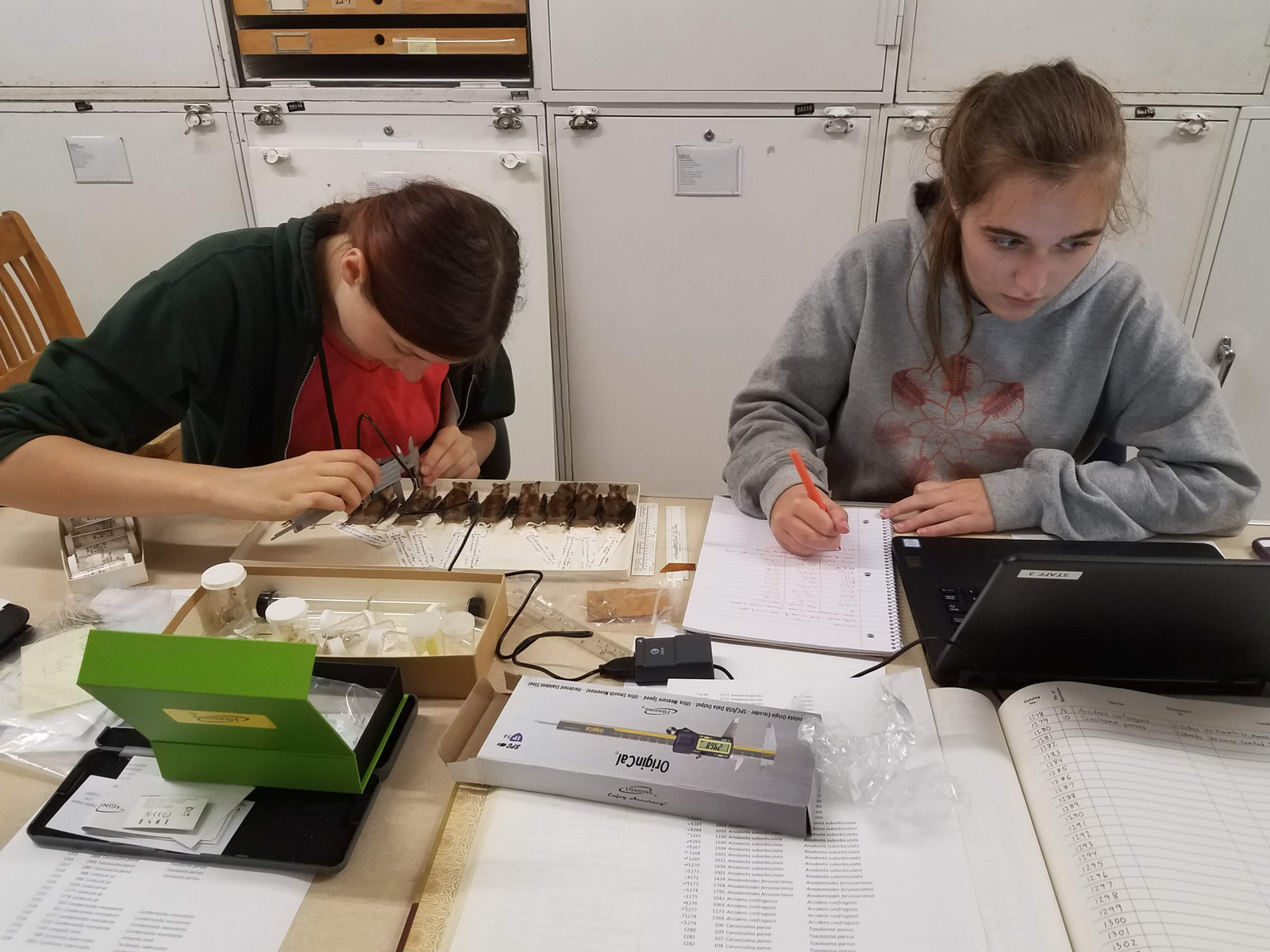
- Description: This returning two-week program will get students learning the ins and outs of how to work in a university/museum paleontology research collection! Participants will engage with a curriculum focused on preparing them to succeed as research collection volunteers or paid assistants in college. This is one of the best ways for undergraduates to get their foot in the door working with faculty and graduate students in college, and is pathway many of our former students have successfully taken to find early opportunities to grow from. Skills and knowledge of fossil collections care and managements will also help prepare students for doing data-collection activities for research. Much of paleontological research involves knowing how to communicate with collections managers and conduct oneself in a professional, organized fashion while measuring fossil specimens. Students can expect time working in the fossil collection facilities as well as learning to use collection management software. Digital collection organization tools have become a crucial aspect of modern fossil specimen organization, both in museums and government land management agencies like the BLM and NPS. Participants will work with University of Missouri graduate students and faculty in lessons and hands-on skill-building active learning projects.
This is a dorms-based camp, with students and staff staying in the University of Missouri dormitories and eating in the Missou dining hall as a group.
- Camp activity highlights:
- Hands-on experience preparing and caring for fossils in a university research collection.
- Learning to use collections management software and digital organization tools.
- Skill-building projects with University of Missouri faculty and graduate students.
- Training in professional communication and research collection protocols.
- Dorm-based experience with group living and dining on the University of Missouri campus.
- Opportunities to engage in research-related activities that prepare for volunteer or paid assistant roles.
- Registration fee: $4,562
- Scholarships are available! For more information, please visit our Scholarships page.
- Fee covers:
- Meals Accommodations
- Transportation during camp
- Group equipment
- Materials for activities
- Fee does not cover:
- Flights to and from camp location
- Personal gear including clothing and toiletries (see the packing list linked above for more details)
- Accommodations before the camp begins and after the camp ends
- Food before the camp begins and after the camp ends
Research Academy Kansas (returners only)
-
Start date: 6/14/2026
-
End date: 6/26/2026
-
Camp location: FHSU campus/Sternberg Museum of Natural History, Hays, KS
-
Airport: Hays Regional Airport
- Travel guidance for Kansas programs.
- Expected physical exertion level: 1/5
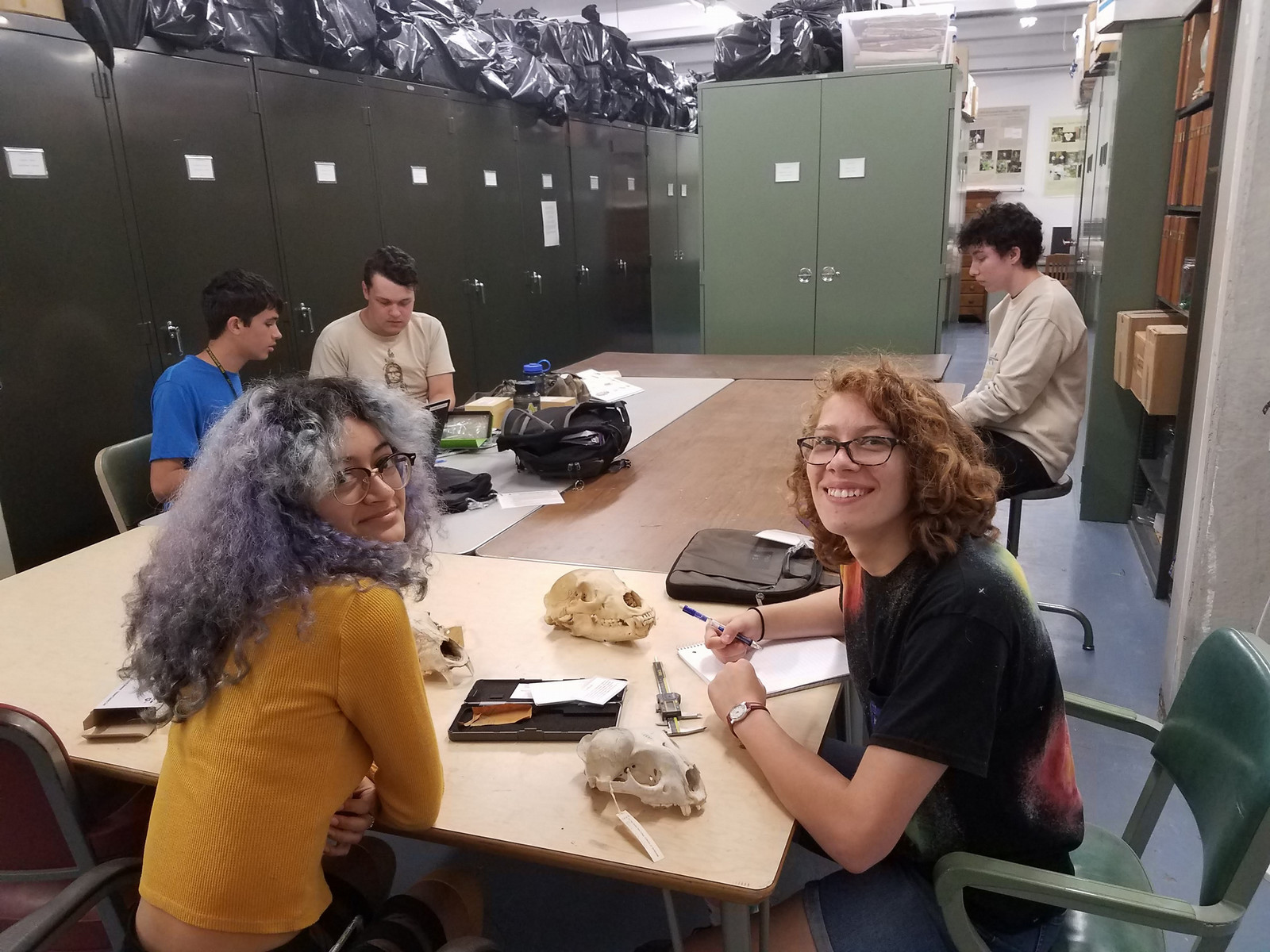
- Description: Research Academy Kansas invites students to step into the world of scientific discovery through hands-on paleontological research at the Sternberg Museum of Natural History. Led by UC Berkeley mammal carnivore researcher Emily Bogner, this camp centers on real scientific datasets, analytical methods, and the investigative process that drives modern paleontology. Students will work with Emily’s extensive 3D dataset of skeletal elements from 44 living carnivoran species along with scans from extinct members of the group, including the bone-crushing dog Borophagus. Campers will learn to read scientific papers, master anatomical terminology, identify functional traits, and build research questions just as professional scientists do. Using the free software 3D Slicer, participants will landmark skulls and limb bones, perform geometric morphometric analyses, and take linear measurements to explore how bone form relates to locomotion, feeding, and ecology.
As the program progresses, students will integrate extinct “mystery” fossils into their datasets, applying everything they have learned to test hypotheses about species identity, lifestyle, and evolutionary relationships. This immersive research experience mirrors real scientific workflows, from background reading and data collection to interpretation and presentation. Group discussions and collaborative problem-solving sessions will deepen students’ understanding of carnivoran evolution while giving them experience with the analytical tools used in contemporary paleontological research labs. Research Academy Kansas offers an exceptional opportunity for students excited about majoring in science to gain college-level experience with authentic datasets, professional software, and museum-based research practices.
Note: Applicants must have successfully participated in one or more Sternberg camp programs at the high school level in a prior year. ("Alumni Only")
- Camp activity highlights:
- Working with 3D datasets of modern and extinct carnivoran mammals, including Borophagus.
- Using 3D Slicer software to landmark skulls and limb bones for geometric morphometric analysis.
- Learning anatomical terminology, functional trait identification, and how to read scientific papers.
- Building and testing research questions using authentic museum datasets and analytical methods.
- Integrating extinct “mystery” fossils into datasets to investigate species identity and ecology.
- Participating in collaborative research discussions modeling real paleontology lab workflows.
- Registration fee: $4,452
- Scholarships are available! For more information, please visit our Scholarships page.
- Fee covers:
- Meals Accommodations
- Transportation during camp
- Group equipment
- Materials for activities
- Fee does not cover:
- Flights to and from camp location
- Personal gear including clothing and toiletries (see the packing list linked above for more details)
- Accommodations before the camp begins and after the camp ends
- Food before the camp begins and after the camp ends
- Travel guidance: There are at most two flights a day at the Hays regional airport via the Denver International Airport. We recommend participants of our Kansas camps arrive the Saturday night before camp starts. Students who choose this option will be picked up by Camps staff and taken to the FHSU dorms for the night before starting their camp the next morning. We will provide transport from the FHSU dorms to the Sternberg Museum to meet the rest of their group. We do charge $50 a night for dorms use and pre-camp transport, which is placed as a fee on the participant's CampDoc account.
Start Your Science Adventure
Join us for a summer of discovery.
Contact Us