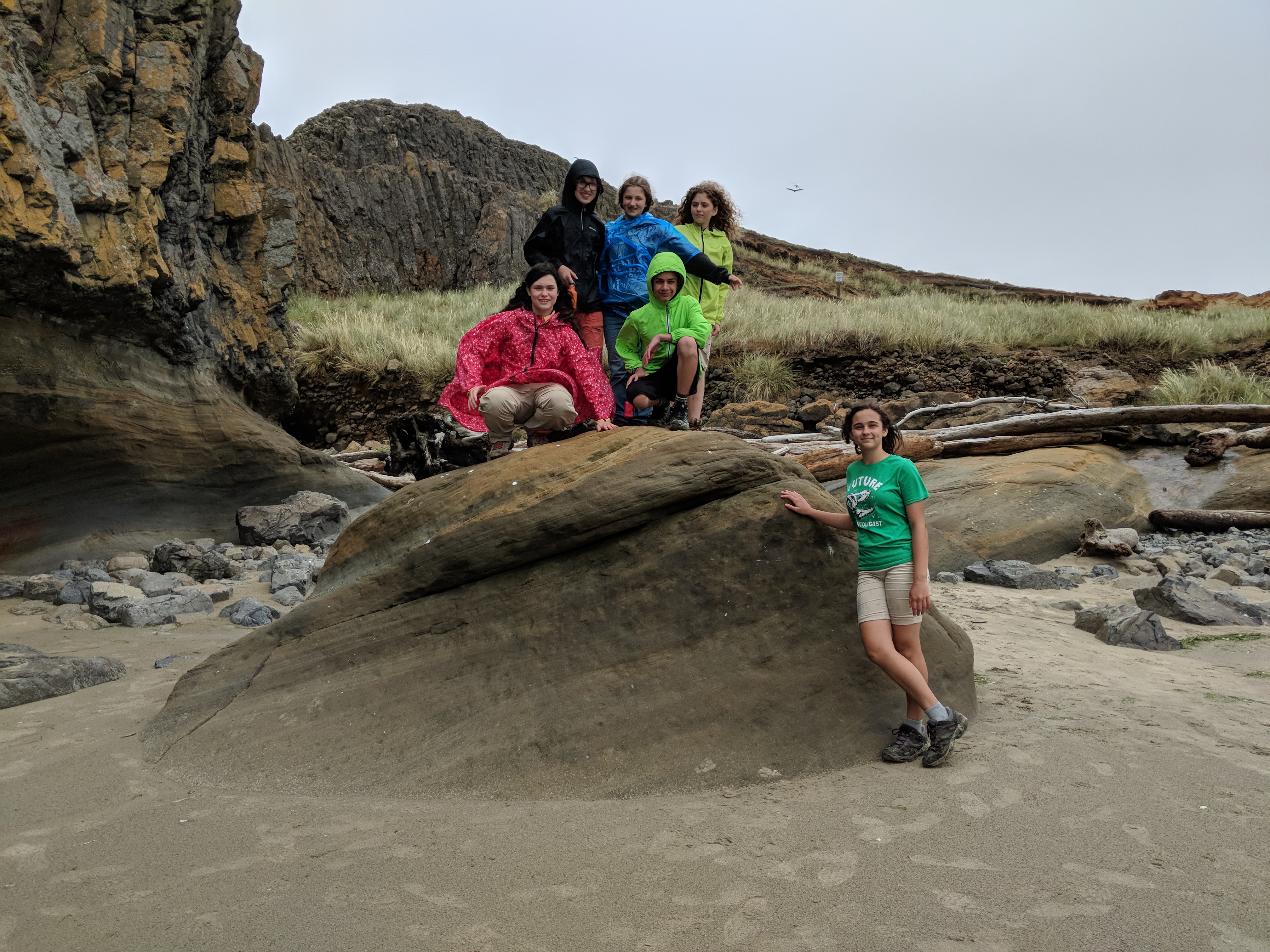
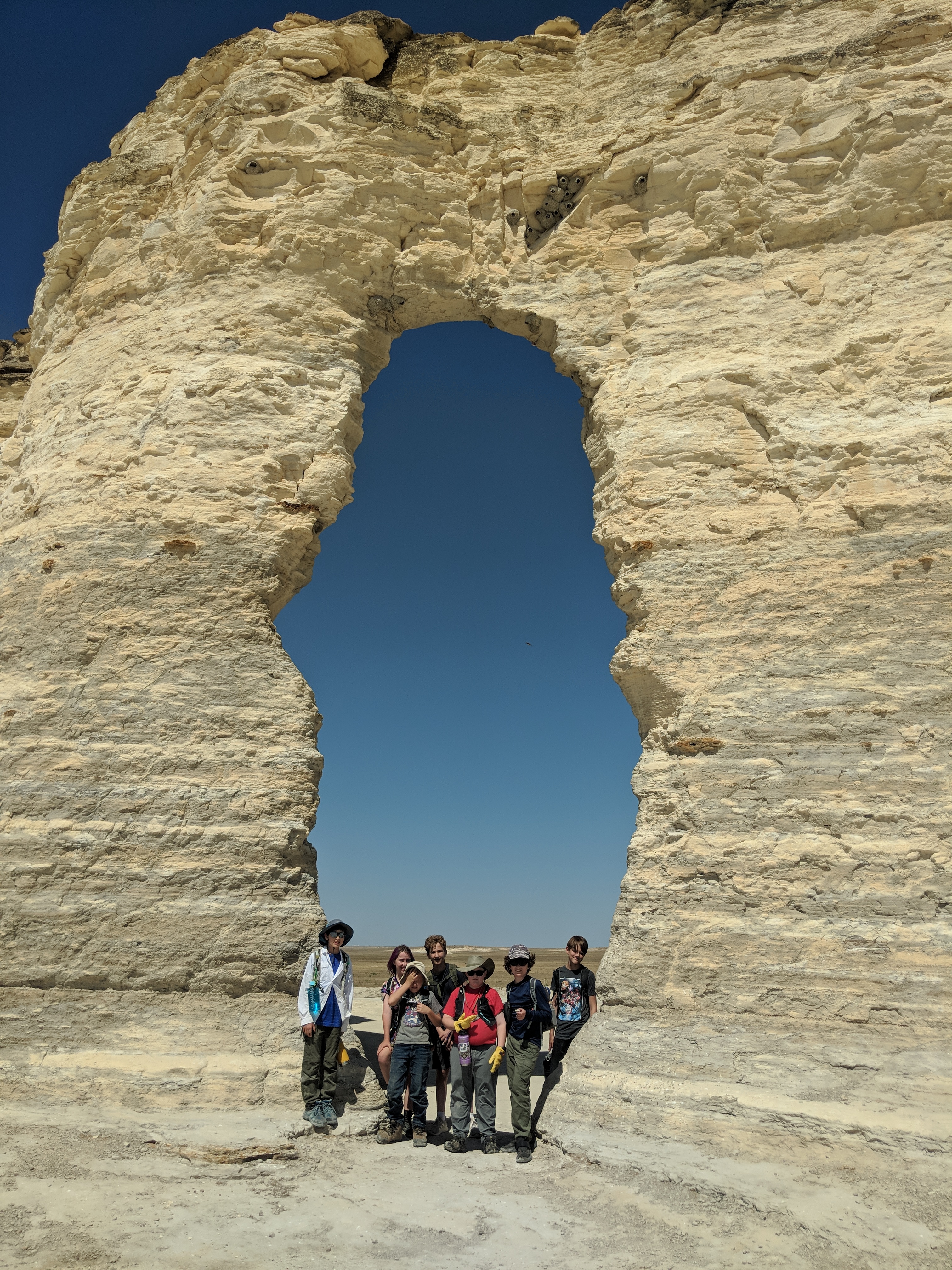
Our in-person middle school camps are over-night programs, lasting from one week.
All in-person camps include the following:
- Meals and snacks, typically from lunch on the first day to lunch on the last day. We keep a substantial food budget, and are capable of working around specific dietary requirements so long as they are disclosed in advance in the student's CampDoc application.
- Staff supervision includes at minimum a lead instructor and teaching assistant. For our field-based camps we include a staff member with an active Wilderness First Responder Certification. WFR Certification training is done through the National Outdoor Leadership School.
- Transportation and accommodations during the camp. This includes pickups and drop-offs at the designated airport for the camp. We cannot do airport pickups or drop-offs anywhere other than the one designated for each respective camp.
- Materials and equipment for all camp activities. This varies from camp to camp. For details, please see individual camp descriptions. If you have further questions, contact us at SternbergCamps@FHSU.edu.
- Photography of activities by staff. Students are of course welcome to take photos as well. We typically post photos to the Camps' accounts on Instagram and Facebook whenever on-site staff are able to provide some from the field. Larger uploads of photos and videos by staff take place after the camp has concluded. (Sometimes staff are in areas with poor signal strength and are unable to transmit photos. We ask for patience with the frequency we post updates.)
Camping Trips
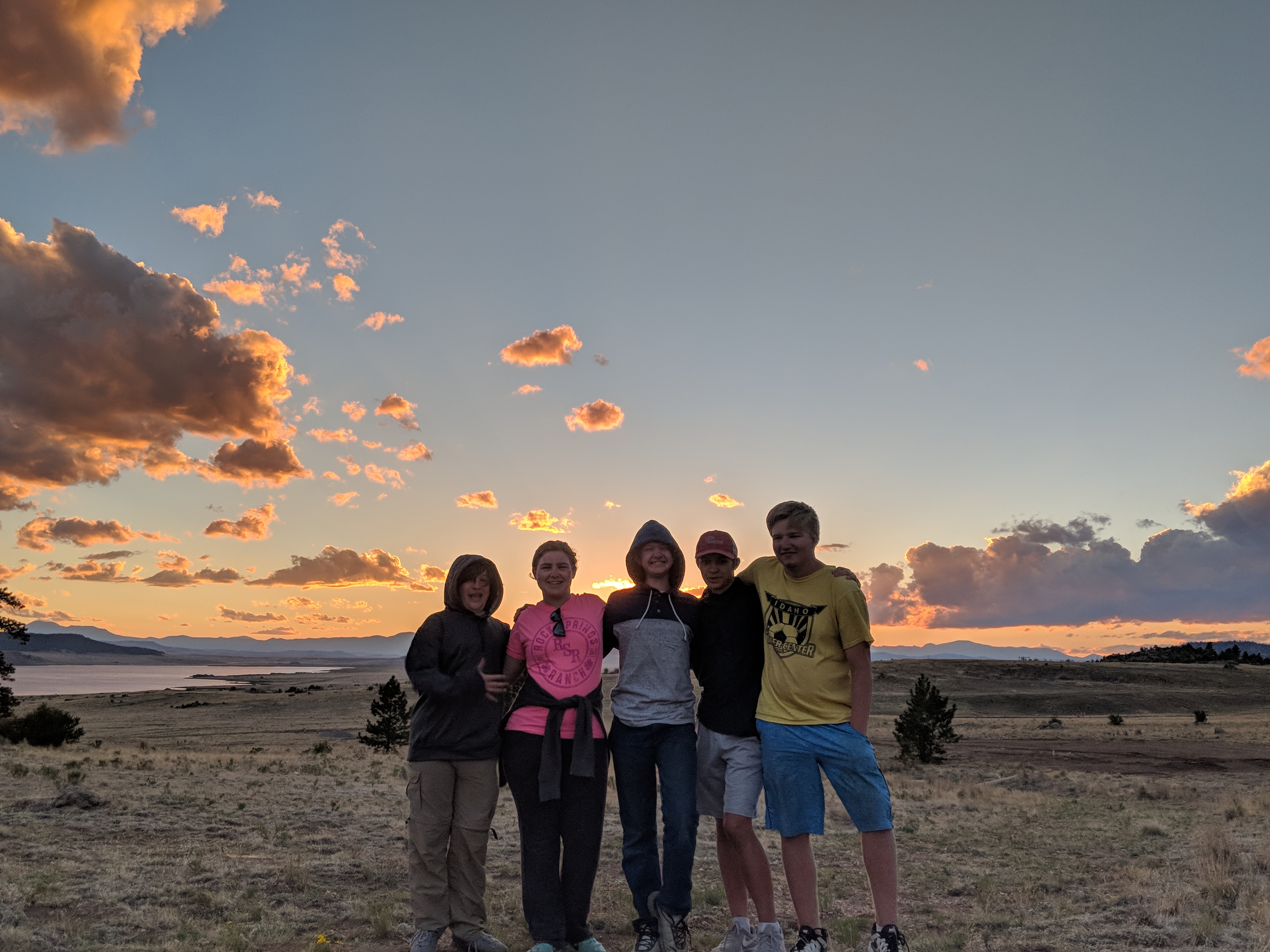
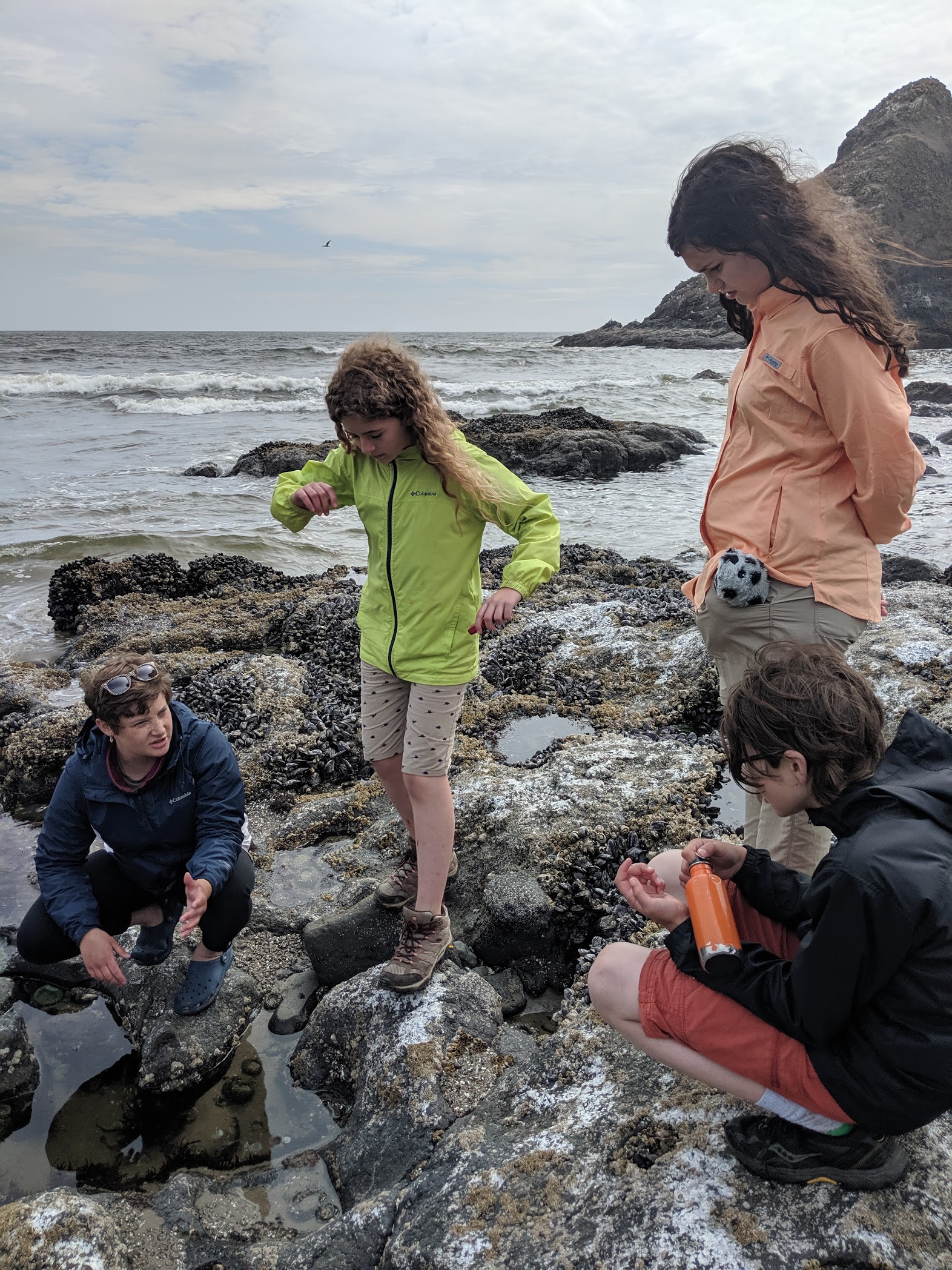
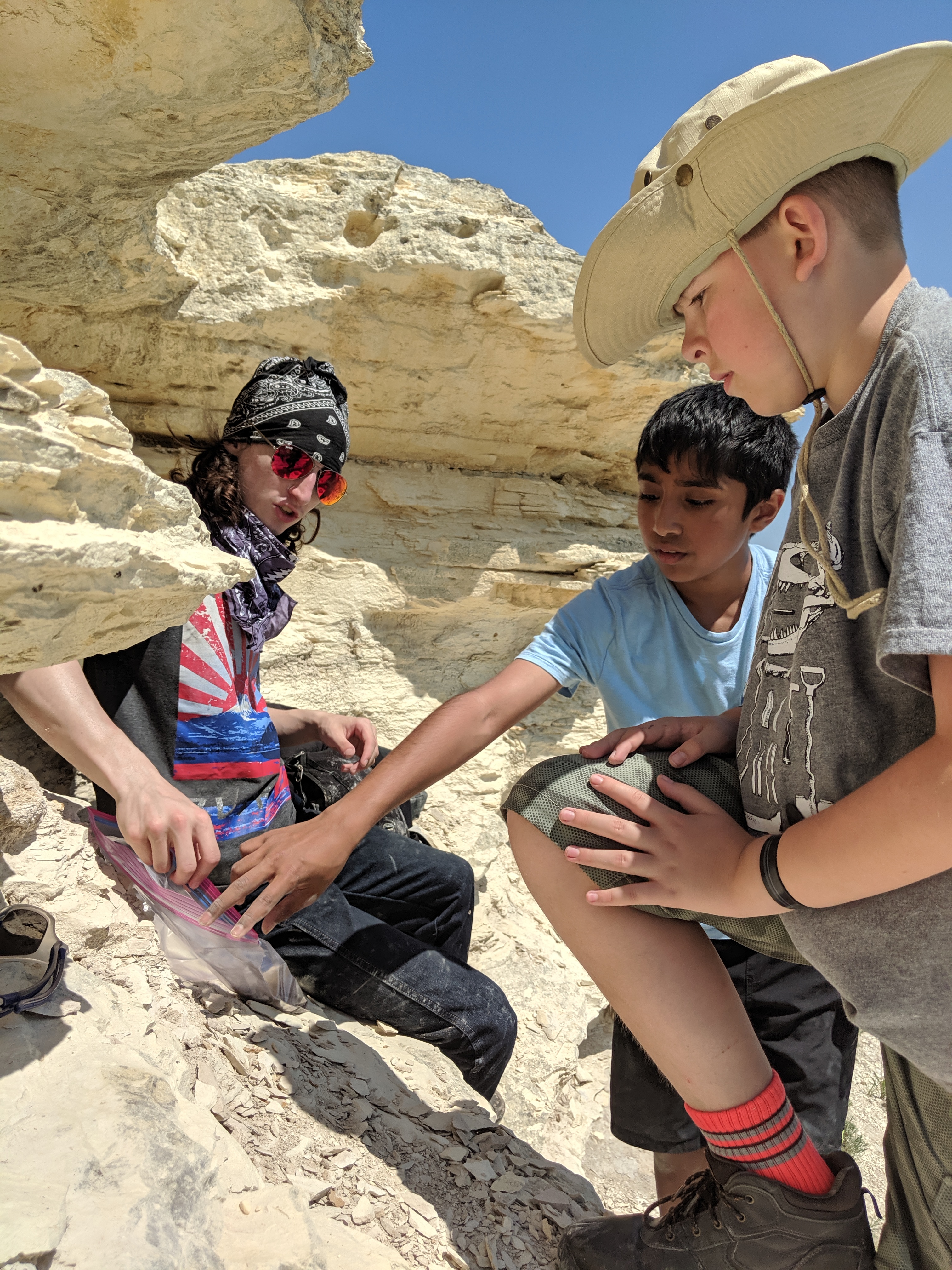
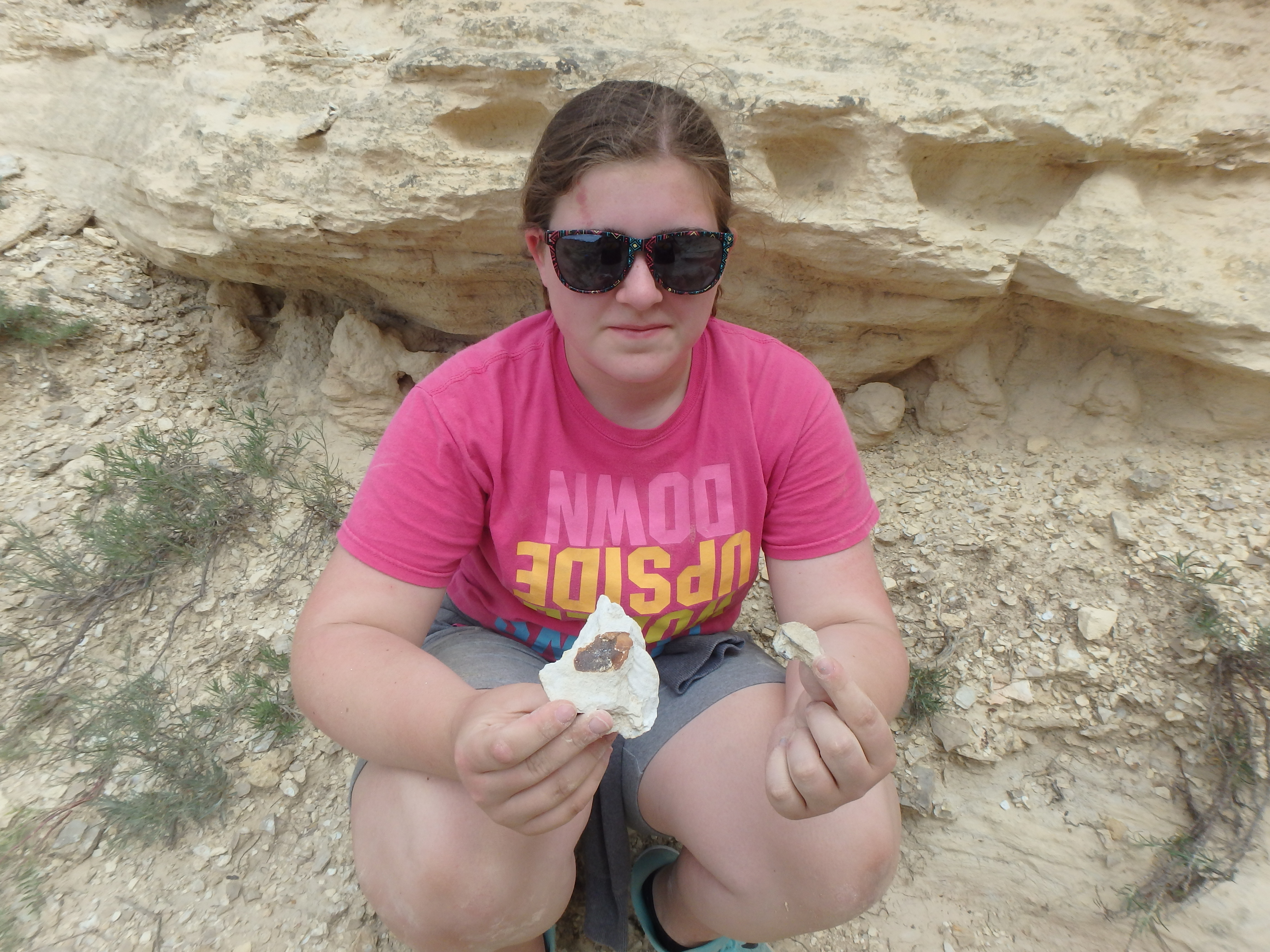
- Our field camps include extensive tent camping on a range of camp site types, including state/federal campgrounds, private campgrounds, and research stations. We will also make use of university dorms and hotels/AirBnBs when called for.
- As these programs typically take place in the middle of summer, conditions are often hot and sunny. some programs will include time in cooler conditions including caves, mountains, or areas where temperatures decrease noteably at night. Students should be well prepared for a range of temperature and weather conditions.
- Tents and sleeping pads are provided for students, with usually 2-3 students in an appropriately sized tent. We ask that participants not bring their own tents as they may not be appropriate for conditions in the camp, or sized properly for the campsites we reserve. Camp pads are typically thick foam or inflatable. Participants are welcome to bring their own sleeping pad if they desire. Participants must provide their own sleeping bags, pillows, and other such personal items.
- As we are camping, access to electrical outlets is limited. We strongly recommend students bring a portable power bank for their phone, and exercise good judgement in battery use. Chargers in the vehicles are reserved for staff to keep devices fully charged, as well as recharging cameras and other devices.
- While we do not do any heavy backpacking, the field camps are typically at least moderately physically demanding. Staff put a great deal of time, care, and effort into training students to mentally and physically adapt to the necessities of fieldwork. We know such activities can be quite challenging, and our central goal is helping students be succesful.